Tanzania orders preps for anti-money laundering, counter-terrorism’s 3rd evaluation
MOROGORO: THE Tanzanian government has called on all institutions involved in combating money laundering, terrorist financing and the financing of proliferation of weapons of mass destruction to strengthen cooperation and accountability in carrying out their responsibilities ahead of Tanzania’s Third Mutual Evaluation of its Anti-Money Laundering, Countering the Financing of Terrorism and Countering the Financing of Proliferation (AML/CFT/CPF) framework, scheduled for 2028.
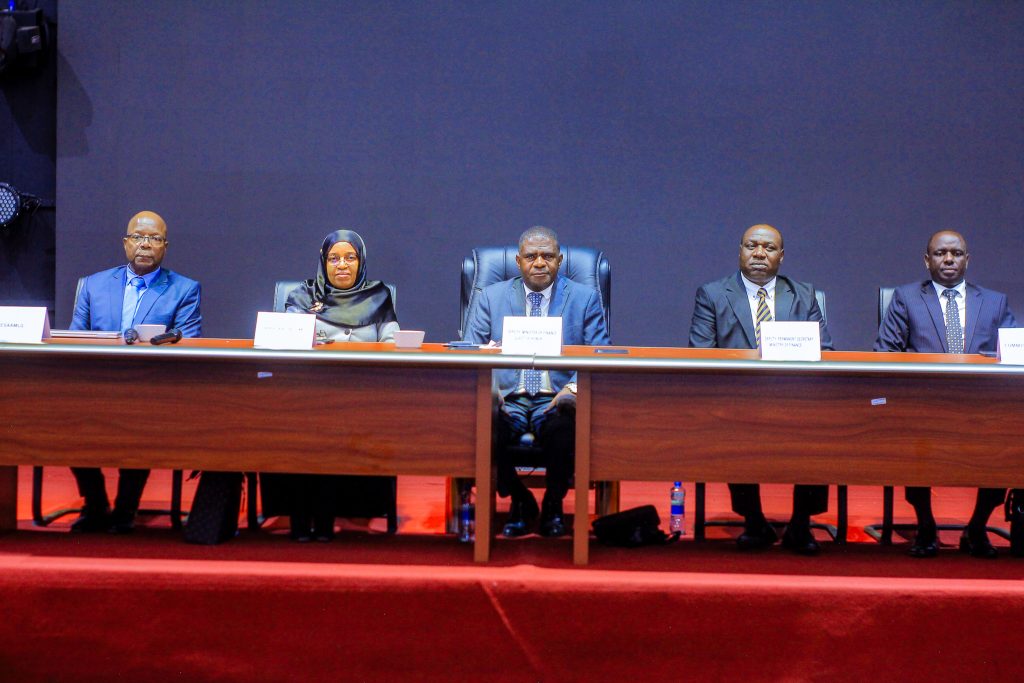
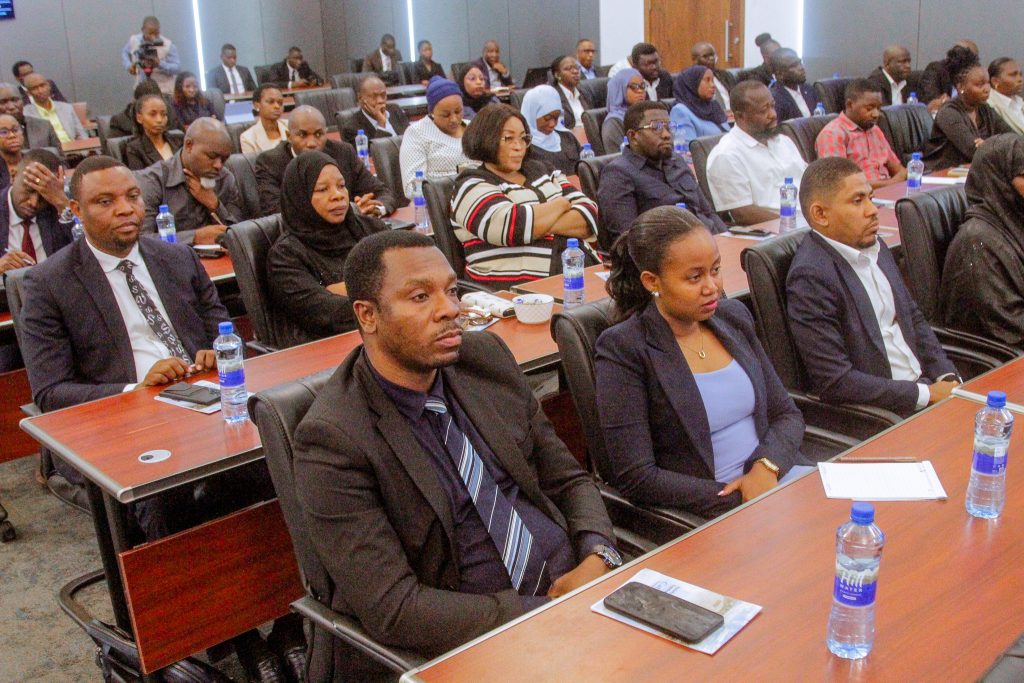
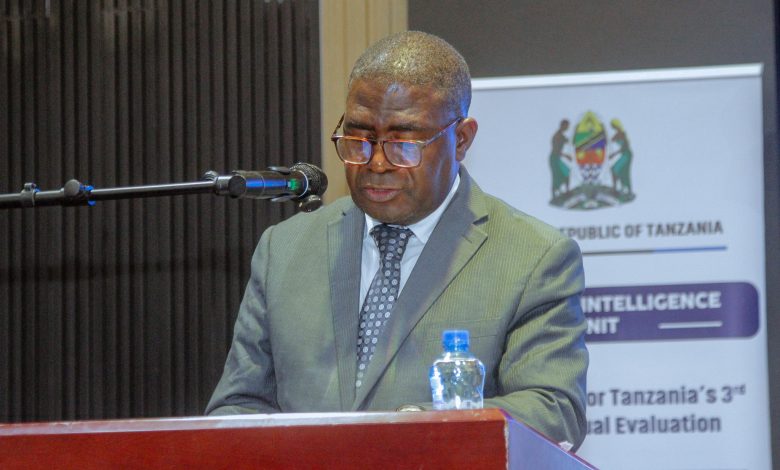
The call was made by Deputy Minister for Finance, Engineer Mshamu Ali Munde, representing the Minister for Finance, Ambassador Khamis Mussa Omar, when opening training sessions to prepare for the evaluation in Morogoro Region under the Eastern and Southern Africa Anti-Money Laundering Group (ESAAMLG).
Munde said the government was committed to ensuring Tanzania is fully prepared for the assessment by strengthening its legal and supervisory frameworks, as well as improving the performance of institutions responsible for implementing anti-money laundering measures.
“Combating these crimes cannot be successful by relying solely on the Financial Intelligence Unit (FIU). It requires the collective participation of all institutions mandated to fight such offences, including the Police Force, the Prevention and Combating of Corruption Bureau (PCCB) and the Tanzania Intelligence and Security Service (TISS),” Engineer Munde said.
ALSO READ: Tanzania strengthens anti-money laundering efforts
He noted that although Tanzania had made progress in previous evaluations, preparations for the 2028 assessment required further efforts to strengthen compliance with international standards and provide evidence of tangible results achieved through the work of relevant institutions.
He added that the training aims to improve officials’ understanding and capacity regarding international standards and the responsibilities of individual institutions, while strengthening coordination and information-sharing to ensure that preparations reflect actual implementation on the ground.
Engineer Munde said the training would also provide institutions with an opportunity to exchange experiences, discuss challenges affecting the execution of their responsibilities and develop joint strategies to address them.