Tanzania notes remarkable progress in reducing maternal, newborn and under-five deaths
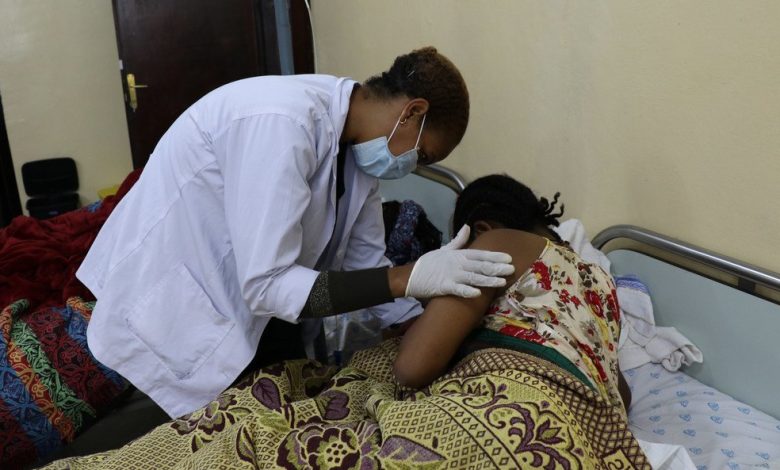
DAR ES SALAAM: TANZANIA has reported significant progress in reducing maternal, newborn and under-five mortality, while stressing that sustained investment in primary healthcare remains critical to ensuring that every mother delivers safely and every child has the opportunity to survive and thrive.
Speaking during the Fourth Meeting of the Regional Steering Committee of East African Community Ministers of Health (ReSCO), held in Dar es Salaam, Minister for Health Mohamed Omary Mchengerwa said between 80 and 85 percent of Tanzanians can now access healthcare services, including maternal and child health services, within five kilometres of their homes.
Mchengerwa, who chaired the meeting, said the expansion of healthcare services has been accompanied by a significant increase in facilities providing newborn care, rising from 14 in 2018 to 438 in 2025.
He said maternal mortality declined from 556 to 104 deaths per 100,000 live births between 2015 and 2022, while under-five mortality fell from 67 to 43 deaths per 1,000 live births during the same period.
According to the minister, the progress has been driven by strengthened primary healthcare services, increased access to facility-based deliveries, emergency referral systems through the M-Mama initiative, a growing number of skilled healthcare providers and the use of technology, including teleconsultation and digital systems for monitoring maternal and child deaths.
ALSO READ: African nations pledge to enhance cooperation in tackling newborn deaths, TB
Tanzania has also continued to protect children against vaccine-preventable diseases by maintaining immunisation coverage above 95 percent, alongside efforts to control malaria and further strengthen the country’s response to HIV/AIDS.
Mchengerwa said President Samia Suluhu Hassan has remained at the forefront of the maternal and child health agenda through the “Jiongeze Tuwavushe Salama” campaign, which promotes safe motherhood and improved maternal and newborn health outcomes.
He said the achievements demonstrate that sustained long-term investment in primary healthcare, health infrastructure, skilled personnel and essential medical commodities can significantly reduce preventable deaths.
The minister emphasised that maintaining the gains will require continued investment and stronger health systems to ensure equitable access to quality maternal, newborn and child health services across the country.