Tanzania moves to accelerate adoption of sustainable clean energy in households, institutions
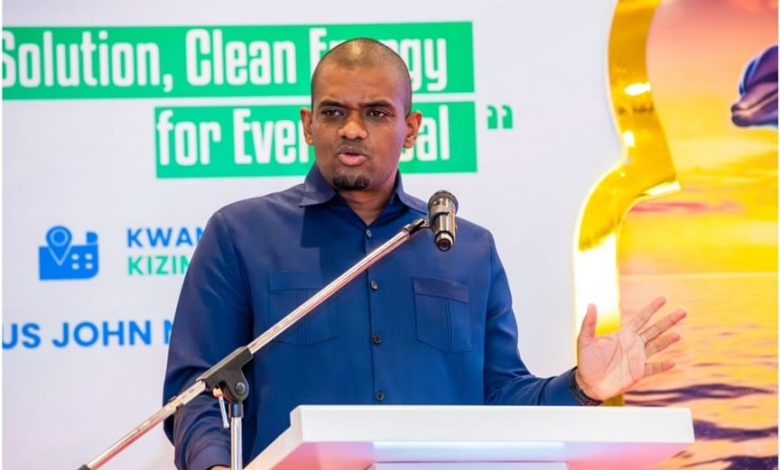
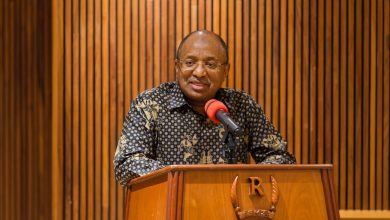
ZANZIBAR: THE Minister for Energy Deogratius Ndejembi said the success of Tanzania’s clean cooking energy depends on both the distribution of clean cooking technologies and changing cultural practices, traditions and attitudes that continue to delay the transition to cleaner cooking solutions.
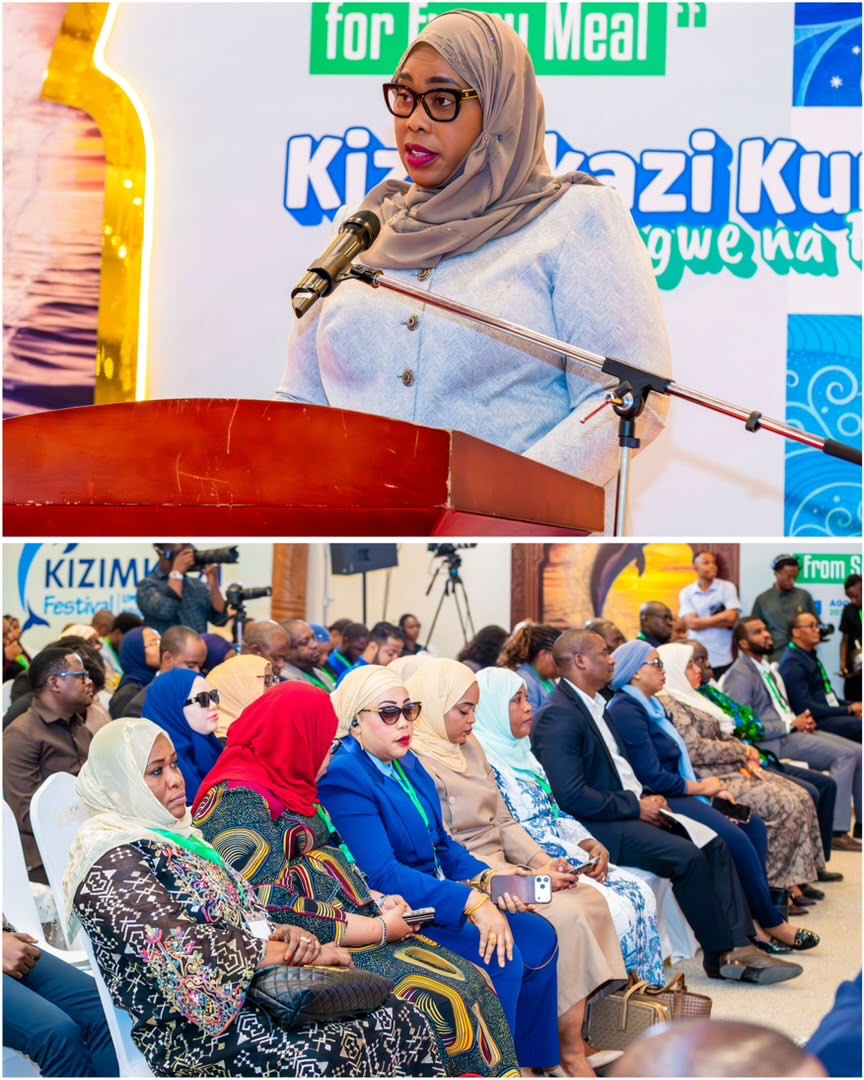
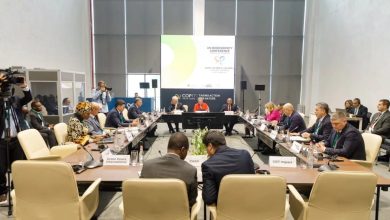
Ndejembi made the remarks today, August 11, 2026, in Kizimkazi, South Unguja, during a Clean Cooking Energy Dialogue organised by the Mwanamke Initiatives Foundation (MIF). The dialogue brought together stakeholders from the Government, private sector, financial institutions, development partners, technology providers, researchers and civil society organisations.
He said the Tanzanian government has put in place strategies to increase access to clean cooking energy, but their impact would be greater if communities moved away from attitudes and practices that hinder the adoption of clean cooking technologies.
“Despite having a clean cooking energy strategy, if we do not invest in changing our cultural practices and traditions, we will remain where we are. As we promote the use of technology, we must also invest in changing Tanzanians’ attitudes towards the use of clean cooking energy,” Ndejembi said.
He said the transformation would require collaboration among the government, institutions and communities to address social barriers that prevent many households from switching to clean cooking energy.
ALSO READ: How Tanzania’s nickel strategy could transform global clean energy supply chains
The Minister also urged officials from the Ministry of Energy, its institutions and the private sector to prioritise the use of a mix of clean cooking technologies based on the resources available in specific areas.
He cited areas with abundant animal waste as an example, saying they could benefit from biogas production as an alternative cooking fuel. Such an approach, he said, would expand the use of clean cooking energy and reduce reliance on polluting fuels.
Ndejembi commended President of the United Republic of Tanzania Dr Samia Suluhu Hassan for continued investment in the clean cooking energy agenda, saying the initiative has positioned Tanzania as a country demonstrating that clean cooking is not merely a household issue, but a broader development agenda linked to public health, environmental protection, economic growth, gender equality, education and sustainable development.
The dialogue discussed strategies for accelerating access to and adoption of affordable and sustainable clean cooking energy among households and institutions. Participants also emphasised the importance of innovation, investment and collaboration in advancing Tanzania’s clean cooking energy agenda.