

Tanzania lures investors to construct factories for mining products

DAR ES SALAAM: THE Minerals Minister Anthony Mavunde has today, June 30, 2026, met with the Managing Director and owner of the Steel Balls Manufacturing Factory, Hou Songcun, to discuss the company’s investment in the country to produce mining products.
Minister Mavunde has welcomed their investors to the area allocated by the government of Buzwagi Special Economic Zone located in Kahama district, Shinyanga for the construction of a mining products factory to serve large and small miners in the country.
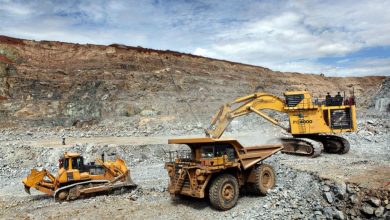
Minister Mavunde said the government has planned to ensure that it attracts significant investment in the production of mining products so that Tanzania becomes a hub for the distribution of the product in Africa.
“Our goal is to see large and small miners in the country get a lot of mining products without relying on importing these products from abroad,” he said.
ALSO READ: Perseus Mining injects 457.7bn/- into TZ ahead of gold output
Meanwhile, the Owner and Managing Director of Oriental Casting and Forging Ltd, Hou Songcun, said his company is ready to make a major investment in mining products in the country because Tanzania is a country that has a good investment environment and that the mining sector is growing very rapidly, so it is a safe and friendly place to make investments which will be a solution for obtaining mining products more easily.



I think you meant “how to transform an onion farm into a factory” or how to start an onion processing factory. I’ll explain it in a practical way.
How to transform onions production into a factory (onion processing business)
Instead of only selling raw onions, a factory adds value by processing them into products like:
Onion powder
Onion flakes
Fried onions
Onion paste
Pickled onions
This is called value addition.
1. Secure steady onion supply
A factory needs large and reliable raw materials:
Partner with local onion farmers or cooperatives
Or run your own large-scale onion farm
Ensure year-round supply (storage or multiple regions)
2. Choose your products
Decide what your factory will produce:
Basic processing: cleaning, sorting, packaging fresh onions
Advanced processing: drying, powdering, frying, or canning
Start small (like dried onions or powder) before expanding.
3. Set up processing facilities
You will need:
Washing and peeling machines
Slicing and drying machines
Grinding machine (for powder)
Packaging machines
Clean storage warehouse
Also ensure:
Electricity and water supply
Hygienic food-grade environment
4. Get licenses and standards approval
Depending on your country:
Food safety authority approval
Business registration
Quality certifications (for selling in supermarkets/export)
5. Hire skilled workers
You may need:
Food technologists
Machine operators
Quality control staff
Marketing and sales team
6. Branding and packaging
This is very important:
Create a brand name
Design attractive packaging
Label nutritional and expiry information
7. Market your products
Sell to:
Supermarkets
Hotels and restaurants
Export markets
Local shops and wholesalers
8. Start small, then expand
A common mistake is starting too big. Instead:
Begin with one product (like onion powder)
Reinvest profits to expand into more products
Simple idea summary
You are basically turning:
“raw onions from farms” → “packaged, ready-to-use food products sold in stores”
If you want, I can also show:
Cost estimate for starting an onion factory in Tanzania
Machines needed and prices
Or a simple business plan template Tanzaniatravel guide Tanzaniatr
References:
Lollybet Free Spins https://mineland.net/
References:
Lollybet Alternative https://ntsr.info/bitrix/redirect.php?event1=&event2=&event3=&goto=https://lollybet.com.de/
References:
N1 Casino Einzahlung https://firsturl.de/
References:
%random_anchor_text% https://mobidesign.us/employer/sofort-spielen-ohne-downloads
References:
Candy96 Casino baccarat https://jobcopeu.com/
References:
Candy96 Casino login australia lookingforjob.co