Tanzania honors Japan’s 60-Year contribution to its development
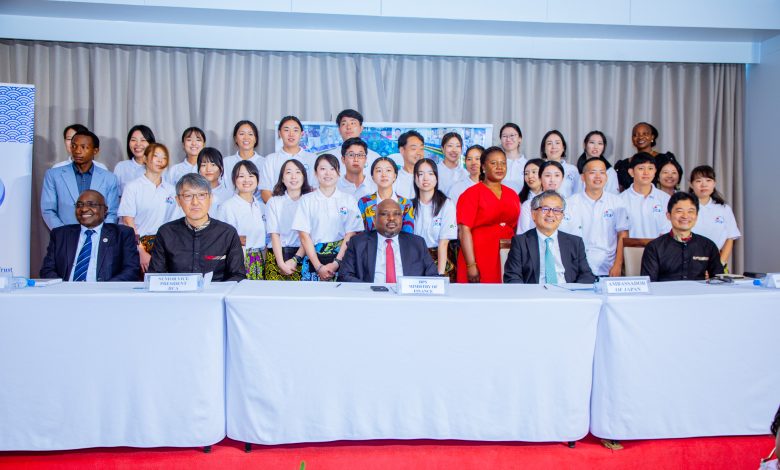
DAR ES SALAAM: TANZANIA has recognised Japan’s contribution to the country’s socio-economic development over the past 60 years through the Japan International Cooperation Agency (JICA) and the Japan Overseas Cooperation Volunteers (JOCV) programme.
The partnership has supported development in key sectors, including education, health, agriculture, vocational training and community development through the transfer of knowledge, technology and expertise.
Speaking at an event to mark 60 years since the introduction of the Japanese volunteer programme in Tanzania, Deputy Permanent Secretary in the Ministry of Finance, Mr Elijah Mwandumbya, said the partnership had played an important role in supporting the country’s development efforts, particularly at community level.
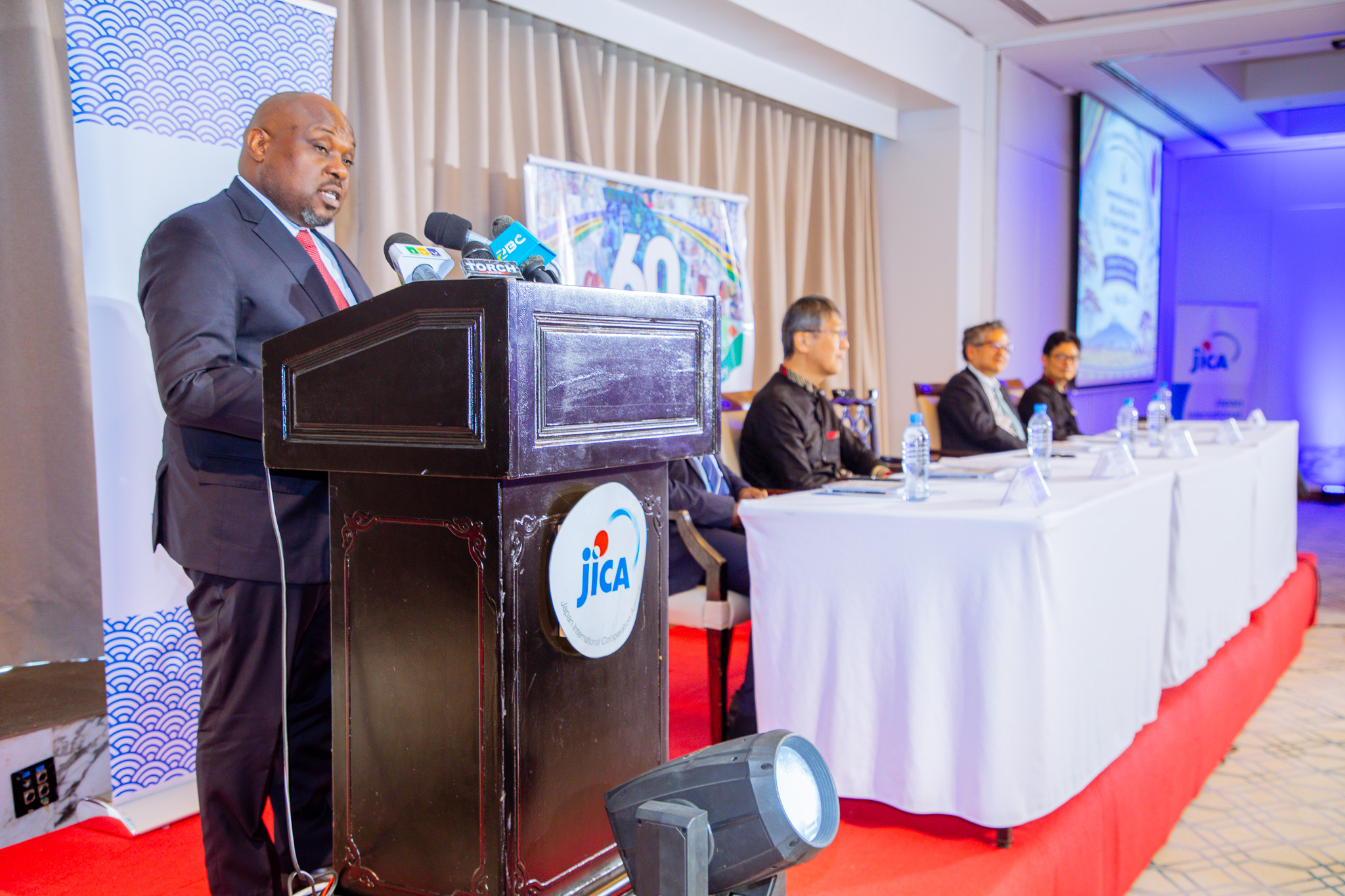
Mr Mwandumbya, who represented the ministry’s Permanent Secretary, Dr Natu El-Maamry Mwamba, said the anniversary provided an opportunity to recognise the longstanding friendship, solidarity and cooperation between Tanzania and Japan.
He said Japanese volunteers had contributed to strengthening institutional capacity and developing the skills of Tanzanian professionals through knowledge and technology transfer, as well as sharing practical experience.
“The contribution of Japanese volunteers goes beyond the provision of professional services. It has also strengthened relations between the people of Tanzania and Japan through cultural exchange, knowledge and experience sharing, helping to build lasting friendship between the two countries,” he said.
Mr Mwandumbya further said the government valued Japan’s broader development cooperation through JICA, which includes concessional loans, grants and technical cooperation.
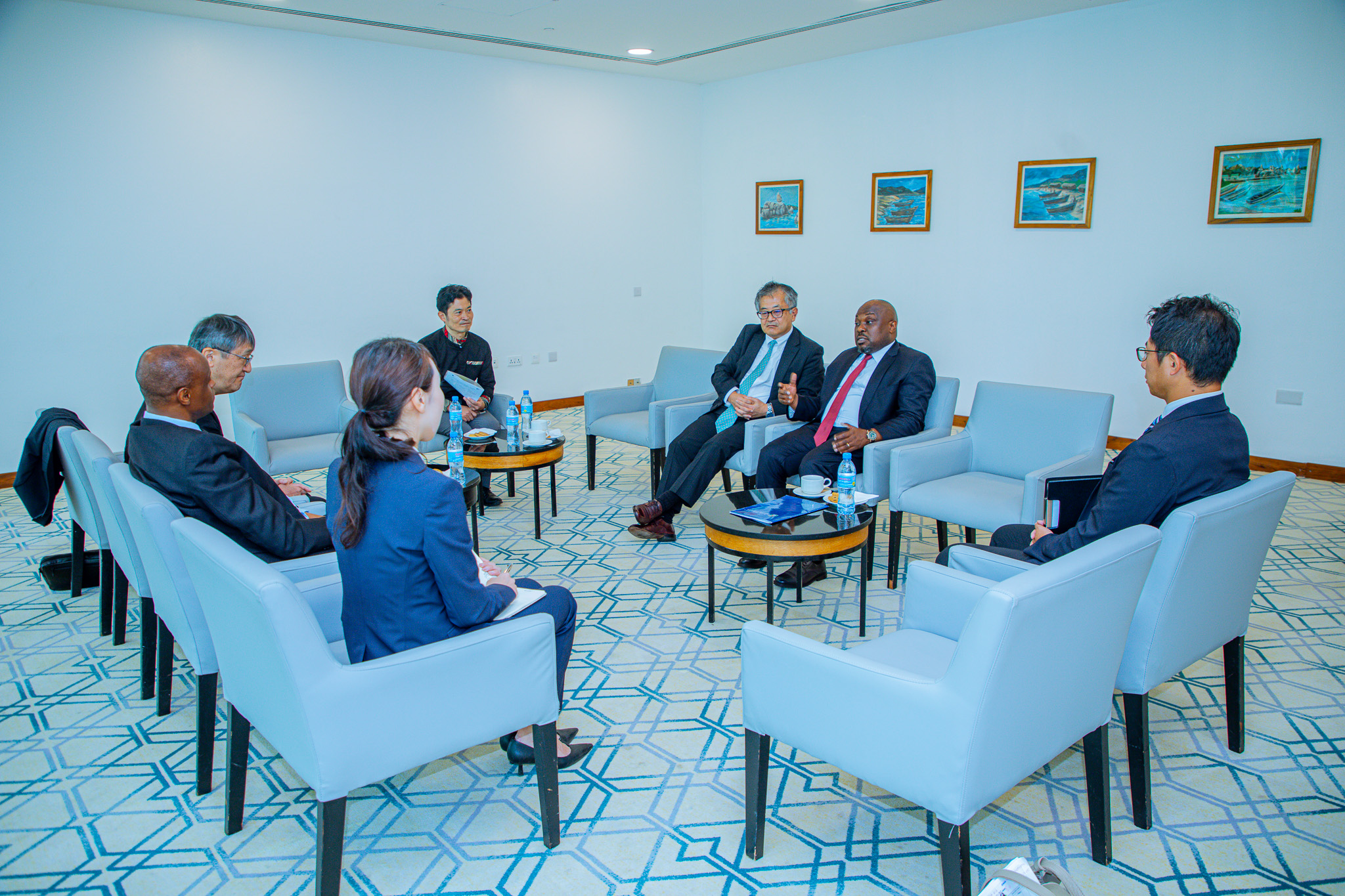
He revealed that Tanzania had so far received concessional loans from Japan worth more than 147.30 billion yen and grants exceeding 176.76 billion yen.
ALSO READ: Tanzania woos Japanese investors to support Vision 2050
He added that more than 22,000 Tanzanians had benefited from professional training opportunities provided both in Tanzania and Japan, contributing to the development of human resources and professional capacity.
He said the continued cooperation remained an important pillar in strengthening bilateral relations and supporting Tanzania’s socio-economic development.