Tanzania hails TADB support in boosting edible oil production
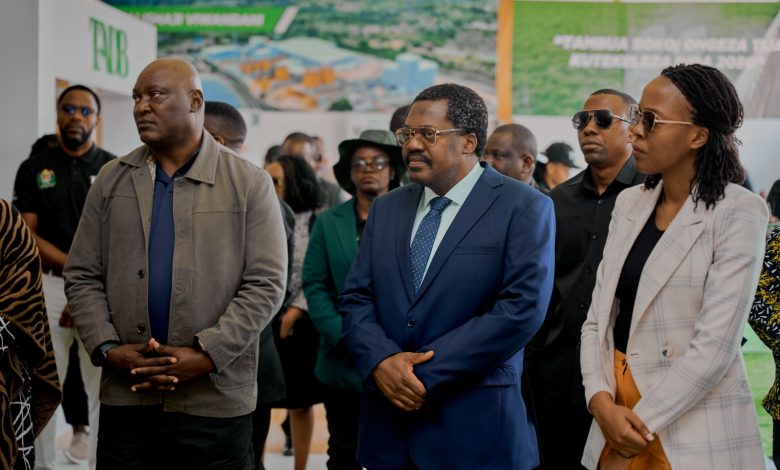
DODOMA: VICE President Emmanuel Nchimbi has visited the Tanzania Agricultural Development Bank (TADB) pavilion at the ongoing Nane Nane Agricultural Exhibition at the John Malecela Grounds in Nzuguni, Dodoma, where he received updates on the bank’s role in financing agricultural transformation.
The Vice-President was accompanied by the Minister for Agriculture, Daniel Chongolo, during the tour of the pavilion, where TADB officials highlighted the bank’s contribution to improving productivity and value addition across the agricultural sector.
Briefing the Vice-President, TADB Director of Planning, Advisory and Corporate Relations, Mkani Waziri, said the bank continues to support farmers, livestock keepers, fishers and other agricultural value chain actors through loans and financial services that enable them to expand production, improve productivity and increase the value of agricultural products.
She said the bank’s investments are aimed at strengthening the national economy while contributing to sustainable food security through increased agricultural financing.
During the visit, Managing Director of Trolle Meesle Edible Oil Factory and TADB loan beneficiary, Daniel Amulike, outlined the impact of the bank’s financial support on the company’s operations.
ALSO READ: Finance Minister directs TADB to focus on govt priorities
He said the company previously produced about 30 tonnes of edible oil per month using conventional methods, but after securing TADB financing and establishing a modern processing plant, production has increased to 624 tonnes of refined edible oil per month.
Speaking at the event, Agriculture Minister Daniel Chongolo said the government, through the Ministry of Agriculture and in collaboration with development partners and private sector stakeholders, is implementing strategies to strengthen the edible oil subsector by increasing oilseed production and expanding investment in processing industries.
He said the initiatives are intended to boost the country’s self-sufficiency in edible oil production while reducing dependence on imports, in line with the government’s broader agenda of promoting agricultural industrialisation and enhancing food security.