Tanzania eyes 41m US dollars in GEF-9 funding
DAR ES SALAAM: TANZANIA is seeking up to 41m US dollars in environmental financing under the ninth replenishment cycle of the Global Environment Facility (GEF-9) to strengthen biodiversity conservation, climate resilience and efforts to combat land degradation.
The funding opportunity comes as the country seeks to protect natural resources while supporting sustainable development under Tanzania Development Vision 2050.
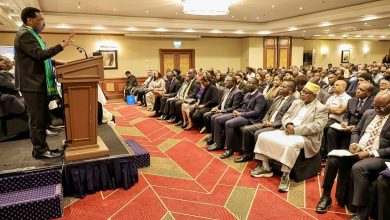
Speaking today during the national dialogue on GEF-9 in Dar es Salaam, Deputy Permanent Secretary in the Vice-President’s Office, Dr Maduhu Kazi, said Tanzania had an initial allocation of 16.04 million US dollars, equivalent to approximately 45.6bn/-.
He said the country could also access up to 20m US dollars from the Least Developed Countries Fund (LDCF) and five million US dollars from the Global Biodiversity Framework Fund (GBFF), potentially bringing the total to 41m US dollars.
Dr Kazi said the national dialogue was important in bringing stakeholders together to identify environmental priorities and develop proposals that respond to the country’s needs.
He said lessons from previous funding cycles should guide the preparation of new projects, with emphasis on interventions that deliver tangible environmental and development benefits.
Under GEF-8, Tanzania secured approximately 53m US dollars, including a 33.5m US dollars allocation through the System for Transparent Allocation of Resources (STAR) and 20m US dollars from the LDCF.
Of the STAR allocation, 23.9m US dollars went to biodiversity conservation, while land degradation and climate change each received 4.8m US dollars.
Director of Environment in the Vice-President’s Office and National Operational Focal Point for Tanzania, Ms Kemilembe Mutasa, said the dialogue provided an opportunity for stakeholders to contribute to identifying national priorities and developing project concepts for GEF-9.
She said consultations were essential in building consensus among institutions responsible for environmental management and ensuring that proposed projects addressed the country’s most pressing challenges.
Ms Mutasa added that involving government institutions, development partners, civil society organisations, the private sector, academia and research institutions would strengthen coordination and encourage shared responsibility in implementing environmental programmes.
The consultations are expected to help Tanzania prioritise projects focusing on biodiversity conservation, restoration of degraded land, climate resilience and pollution control in terrestrial and aquatic ecosystems.
ALSO READ: Agroforestry emerges as a green investment path for Tanzania’s youth
As the country prepares its proposals, stakeholders are expected to draw on previous experiences to improve project design, implementation and coordination.
The ultimate goal is to ensure that funding secured under GEF-9 translates into practical interventions that protect ecosystems, support communities dependent on natural resources and advance Tanzania’s sustainable development ambitions.