Tanzania envisions startup fund
- Proposed venture facility to ease financing barriers, attract private-sector capital
DAR ES SALAAM: THE government plans to establish a venture capital fund to channel investment into startups through professional fund managers, in a move aimed at expanding access to finance and attracting private-sector capital to emerging businesses.
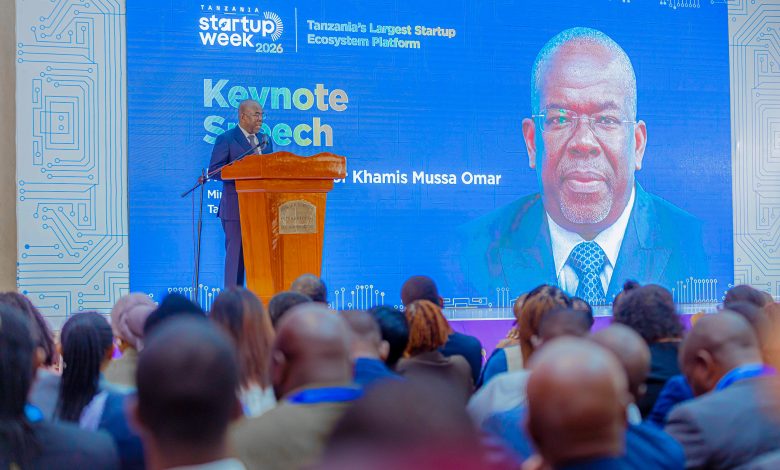
Minister for Finance, Amb Khamis Mussa Omar, said the proposed fund would operate as a “fund of funds”, investing through specialised fund managers rather than directly in individual startups.
Speaking yesterday during a stakeholder session on the Tanzania Alternative Financing and Innovation Initiative on the second day of Tanzania Startup Week 2026 in Dar es Salaam, he said the government wanted to attract private investors to support the initiative and strengthen professional management.
“We plan to have a fund of funds, which basically means the fund should not be investing directly in the startups but through fund managers,” he said.
The minister said private sector investors were expected to contribute between 20 and 30 per cent of the fund, with the government seeking to mobilise additional capital to expand its reach.
The proposed facility is expected to address financing constraints facing startups, particularly businesses that lack the collateral and credit history required by conventional lenders.
“Banks normally lend against what a business already owns. They need collateral; they need a track record. With venture capital equity, they are investing in the potential,” he said.
Mr Omar said Tanzania’s startup ecosystem had expanded significantly, with cumulative startup financing reaching 315.8 million US dollars between 2019 and 2025, while the number of active startups rose from 247 in 2020 to 1,037 in 2025.
He also cited the country’s previous experience in venture capital, including a fund established in 1993 with an investment of 7.6 million US dollars. Companies such as Tanga Fresh and Precision Air benefited from the initiative.
However, he said sustaining business growth after the initial establishment phase remained a challenge, requiring more than simply providing startups with capital.
“Not only financing these startups, but we have to make sure that there is growth once they take off,” he said.
Mr Omar identified policy and regulatory reforms, the development of professional fund managers, enterprise readiness and the establishment of the venture capital fund as key priorities for strengthening the startup ecosystem.
On policy reforms, he acknowledged delays in finalising the startup policy, which was initially expected to be completed in 2025.
“We were supposed to finalise this matter last year, 2025, we could not,” he said, adding that the government had been given six months to complete the outstanding work following a directive from the Vice-President.
He called for greater involvement of regional and international experts in developing fund-management capacity and improving the mobilisation and allocation of capital.
The minister also urged startups seeking investment to strengthen financial reporting, ensure transparent ownership and establish credible governance systems to build investor confidence.
“People will seek to invest in enterprises and they will need to have reliable reporting, transparent ownership and credible governance of the enterprises before they put their money in,” he said.
Meanwhile, the government has introduced tax measures under the 2026 Finance Act intended to support startups and improve the business environment.
The measures include a oneyear tax holiday for qualifying new startups under changes to the presumptive tax regime, an increase in the presumptive taxation threshold from 100m/- to 200m/- , and a reduction in the retained earnings taxation threshold from 30 per cent to 15 per cent of profits.
Mr Omar said the government would work with domestic institutions, international investors and development partners to strengthen startup financing and promote private-sector development.