

Tanzania embarks on 18-month project to address impacts of climate change on the blue economy
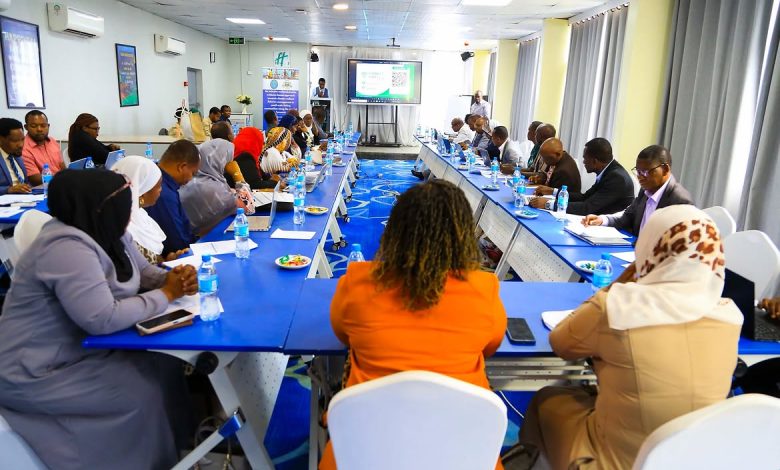
DAR ES SALAAM: THE Tanzanian government, in collaboration with the Revolutionary Government of Zanzibar, is set to implement a project aimed at addressing the impacts of climate change on the marine fisheries sector. The project is expected to run for one and a half years, until January 2028.
Speaking at the launch of the project, Deputy Permanent Secretary in the Ministry of Livestock and Fisheries responsible for Fisheries, Prof. Mohammed Sheikh, said the government would continue to provide support for its implementation. He also urged participating fishers to clearly identify their needs so that they could be given priority under the project.
Prof. Sheikh said climate change had significantly affected the fisheries sector, including the degradation of coral reefs and rising water and land temperatures, which had contributed to declining fish availability.
“There have been significant impacts on the fisheries sector, including the degradation of coral reefs. Water and land temperatures have also increased to the extent that fish availability has declined. We therefore believe this project will address an area of great importance to fishers,” Prof. Sheikh said.
ALSO READ: Climate change is now education crisis Tanzania can no longer afford to ignore
Meanwhile, Salim Ahmed Hamza, a representative of the Ministry of Blue Economy and Fisheries and the ministry’s Principal Secretary, said the project would provide significant benefits to fishers in Zanzibar, particularly by strengthening government efforts to address the effects of climate change.
Hamza said the Revolutionary Government of Zanzibar had already implemented several measures to address climate-related challenges. He cited the “Inuka na Uchumi wa Buluu” (Rise with the Blue Economy) project, which was implemented using funds under initiatives established to respond to the COVID-19 pandemic.
He said one of the challenges identified during the implementation of that project was the impact of climate change on seaweed farming areas and on fishers operating close to the coast.
In response, Hamza said the government provided approximately 500 boats to fishers to enable them to operate farther offshore, thereby reducing their exposure to climate-related challenges affecting nearshore fishing areas.





this is a Advise-web website