Tanzania calls for initiatives to bolster treatment of PPH to reduce maternal deaths
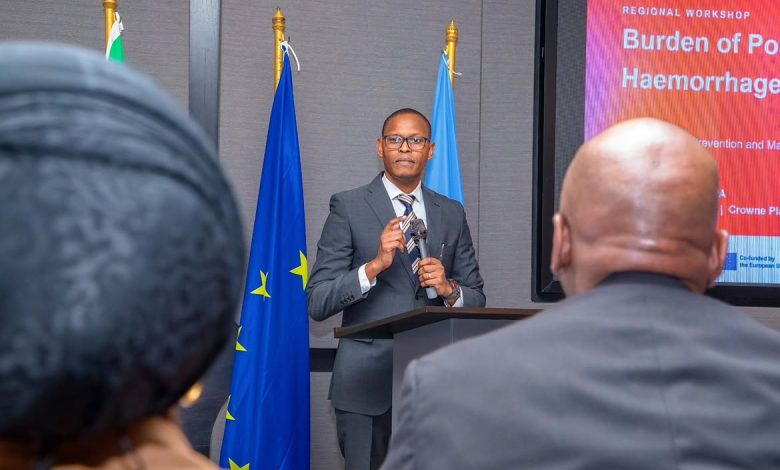
DAR ES SALAAM: THE Chief Medical Officer, Professor Bruno Sunguya, has called on African countries to strengthen strategies for preventing and treating postpartum haemorrhage (PPH) to reduce preventable maternal deaths.
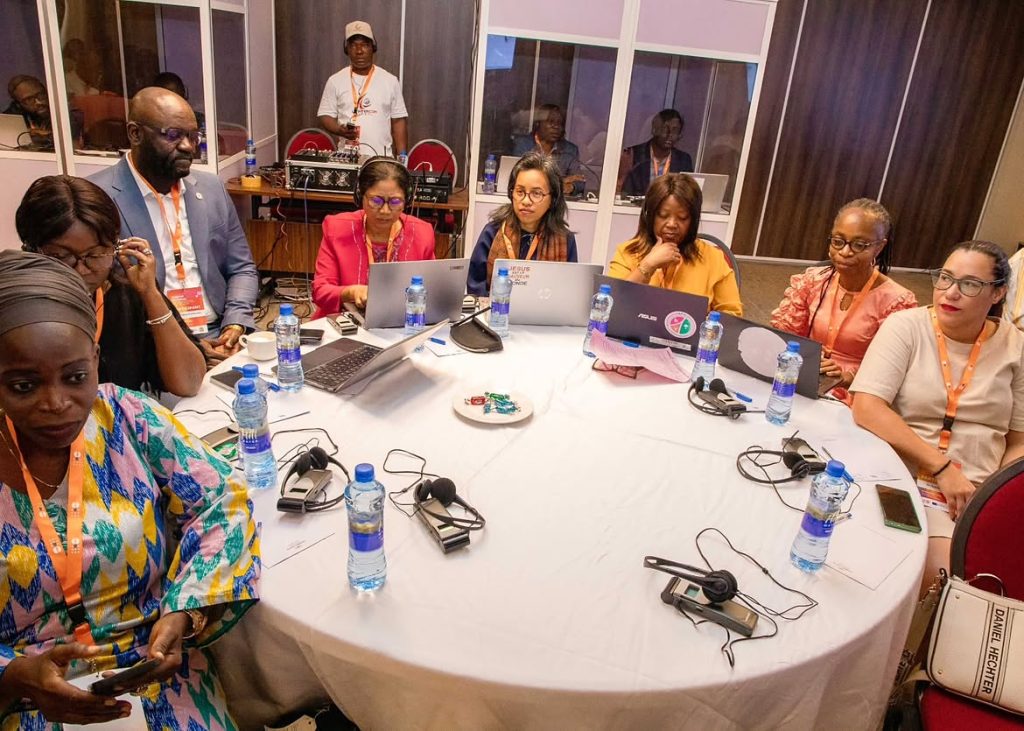
Prof Sunguya made the call today, October 12, 2026, in Dar es Salaam, while officially opening a regional workshop on the prevention and management of postpartum haemorrhage on behalf of the Permanent Secretary in the Ministry of Health, Dr Grace Magembe. The workshop brings together participants from more than 23 African countries.
He explained that postpartum haemorrhage continues to pose a significant threat to maternal and newborn health due to several factors, including delays in recognising symptoms, shortages of safe blood for transfusions and failure to adhere to established treatment guidelines.
He said addressing the challenge is essential to achieving the Sustainable Development Goals, particularly Target 3.1, which aims to reduce the global maternal mortality ratio to fewer than 70 deaths per 100,000 live births.
Highlighting Tanzania’s efforts, Prof. Sunguya said maternal and newborn health remains a national priority under the leadership of President of the United Republic of Tanzania, Dr Samia Suluhu Hassan, who also serves as the African Union Champion for Maternal, Newborn and Child Health.
He noted that Tanzania continues to invest in strengthening emergency obstetric care, improving the capacity of midwives and expanding access to essential healthcare technologies.
ALSO READ: Tanzania sets a new target to reduce maternal deaths to below 70 per 100,000 live births
However, he stressed that these efforts require stronger regional and international cooperation to achieve better outcomes in saving the lives of women and children.
Prof. Sunguya described the workshop as an important opportunity for participating countries to learn from one another, exchange experiences and strengthen cooperation in addressing shared challenges.
He said key priorities include improving medical supply chains and expanding access to quality maternal healthcare services.
He also emphasised the need to harmonise treatment guidelines, implement the E-MOTIVE treatment bundle for postpartum haemorrhage and learn from the experiences of various projects and initiatives aimed at improving the prevention and management of the condition.
The workshop is expected to strengthen collaboration among African countries and support the adoption of effective interventions to prevent excessive bleeding after childbirth, improve maternal health outcomes and reduce avoidable deaths across the continent.