Tanzania, Angola move to strengthen trade through rail, air links

DAR ES SALAAM: TANZANIA and Angola have agreed to strengthen trade and economic cooperation by improving transport connectivity, including linking the Lobito Corridor with the Dar es Salaam and Central Corridors, as part of efforts to boost trade and investment between the two countries.
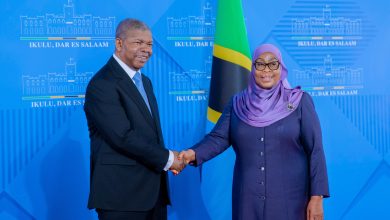
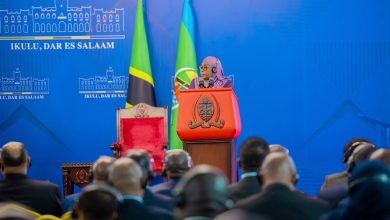
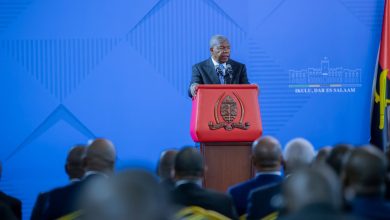
President Samia Suluhu Hassan announced this today at State House in Dar es Salaam during a joint press briefing with Angolan President João Manuel Gonçalves Lourenço, who is on a state visit to.
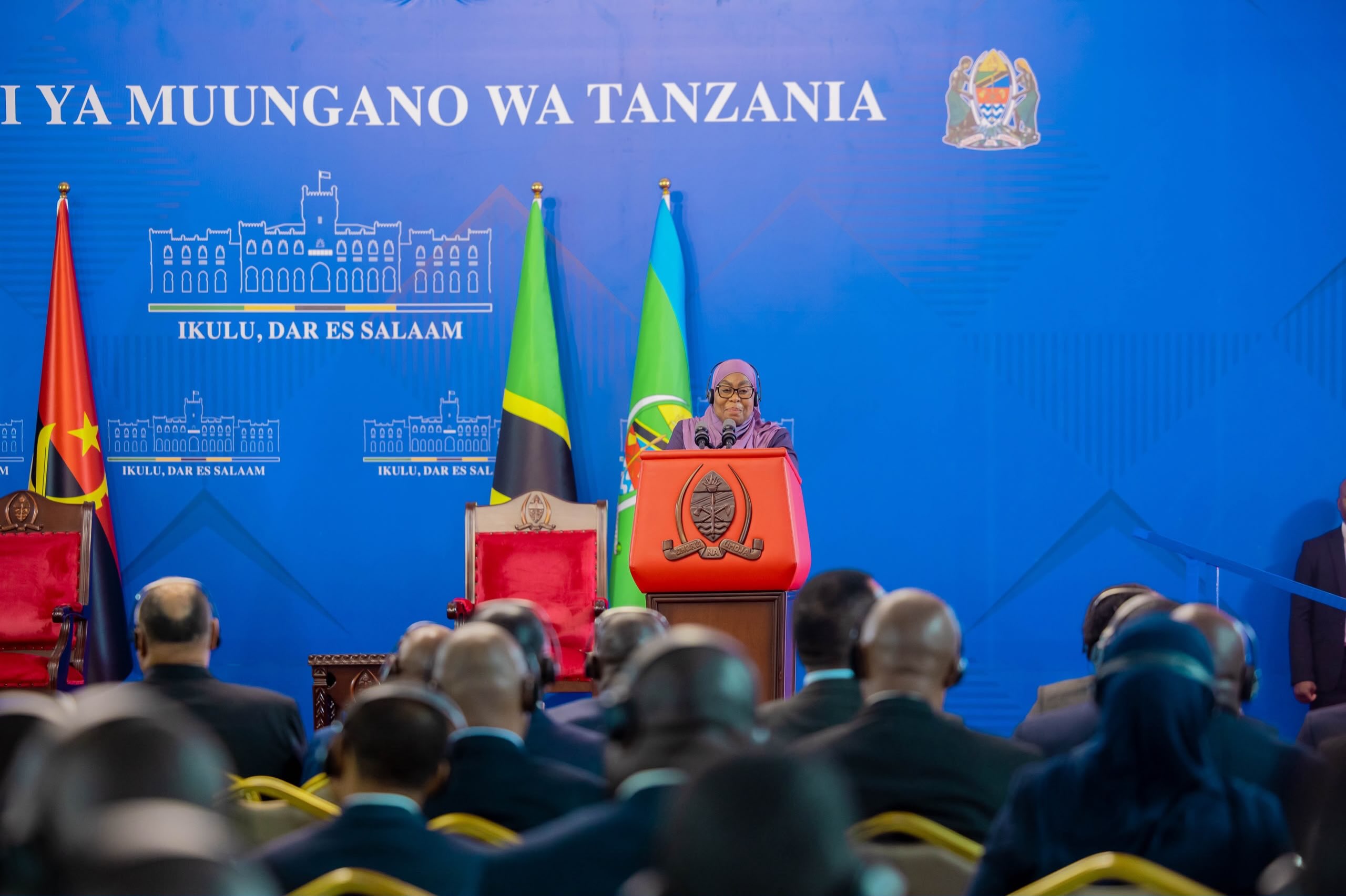
President Samia said the two countries had recognised that despite their longstanding political and diplomatic relations, economic and commercial cooperation remained limited, prompting them to explore practical ways of expanding business opportunities.
She said the two governments had agreed to organise a trade and investment forum to bring together business communities and private-sector players from both countries to identify opportunities for partnerships and increased commercial activities.
“Despite our good relations, economic and trade cooperation remains very limited,” she said, emphasising the need to translate the historical friendship between the two countries into tangible economic benefits.
President Samia said transport infrastructure remained one of the major challenges to trade across Africa, making improved connectivity a priority for Tanzania and Angola.
She explained that the proposed connection between the Lobito Corridor and the Dar es Salaam and Central Corridors would facilitate the movement of goods and strengthen links between the two countries and neighbouring states.
The initiative is expected to complement the rehabilitation of the Tanzania-Zambia Railway Authority (TAZARA) line and Angola’s Benguela Railway, which runs from the Lobito area through the Democratic Republic of Congo (DRC) towards Zambia.
According to President Samia, completing the railway projects would improve regional transport networks and create opportunities for more efficient movement of goods between the two countries.
She also announced that Tanzania and Angola had signed a Bilateral Air Services Agreement intended to facilitate direct flights between Dar es Salaam and Luanda, reducing the need for travellers to connect through other countries.
President Samia said the agreement would help stimulate trade, tourism and other economic activities by making travel between the two countries easier.
Currently, travellers from Tanzania to Angola often have to connect through Addis Ababa in Ethiopia or South Africa, a situation the proposed direct services are expected to address.
The two countries also agreed to explore cooperation in water transport as part of broader efforts to improve transport infrastructure and facilitate trade.
On energy, President Samia said Tanzania had been invited to explore investment opportunities in Angola’s oil-refining sector, particularly through the proposed Lobito Refinery project.
She said the Tanzania Petroleum Development Corporation (TPDC) had already begun preliminary processes to assess the possibility of partnering in the project.
President Samia added that the two countries would also exchange expertise in the mining sector, focusing on empowering small-scale miners, strengthening technical capacity and increasing the value of locally produced minerals.
She cited Tanzania’s mineral training institutions, including the Arusha-based mineral training college, as potential platforms for sharing expertise in mineral processing and value addition.
The President further called for greater promotion of the African Minerals Development Centre, headquartered in Dar es Salaam, to attract more member countries and strengthen cooperation in the sector.
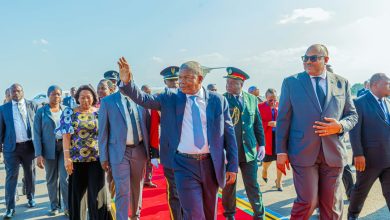
The visit by President Lourenço is the first state visit to Tanzania by an Angolan President in nearly four decades, with the last such visit having been made in 1979 by Angola’s founding President, the late Dr Agostinho Neto.
The two leaders expressed their commitment to building on the historical ties between their countries by expanding economic relations and pursuing mutually beneficial partnerships.