Tanzania allocates 14.6bn US dollars for advancing the FYDP’s educational skills
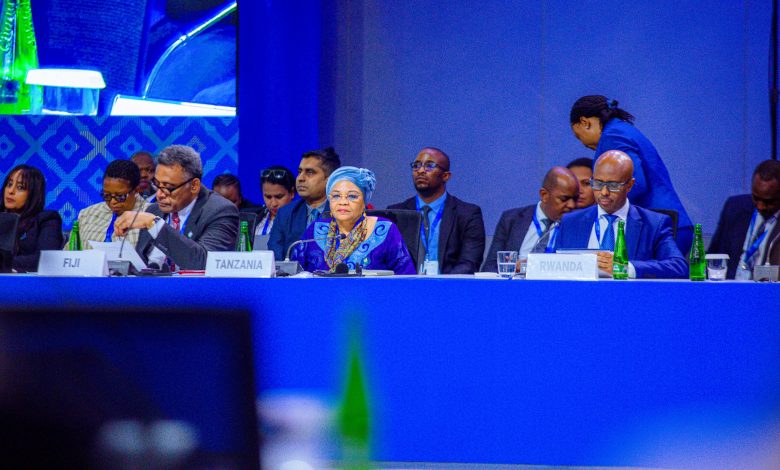
BANGKOK: TANZANIA has allocated 14.6bn dollars to education and skills development under its Fourth National Five-Year Development Plan (FYDP IV), in a move aimed at strengthening human capital and meeting the changing demands of the labour market amid rapid technological advancement.
The Permanent Secretary of the Ministry of Finance and Paymaster General, Dr Natu El-Maamry Mwamba, said the allocation forms part of the US$183 billion earmarked for implementation of the plan, representing approximately eight per cent of the total planned investment.
Dr Mwamba made the remarks during the Human Capital Ministerial Conclave held in Bangkok, Thailand, on the sidelines of the Annual Meetings of the International Monetary Fund (IMF) and the World Bank Group (WBG).
She said the plan, which is aligned with DIRA 2050, envisages the private sector contributing 70 per cent of the total planned investment, while the public sector will finance the remaining 30 per cent.
According to Dr Mwamba, greater private sector participation is expected to stimulate investment in education, vocational training and the development of skills required in a modern economy.
She added that the Long-Term Perspective Plan (LTPP) has established specific targets to strengthen private sector participation in skills development. These include training two million people in advanced industrial production technologies, Information and Communication Technology (ICT), and clean energy by 2040.
ALSO READ: Tanzania, China agree to bolster TVET system to equip youth with industrial skills
The training programmes are expected to be implemented through public-private partnerships (PPPs) to expand training opportunities and improve access to skills that match employers’ needs.
Other targets include establishing at least 50 partnership programmes by 2030, setting up 200 centres to nurture and support youth-led start-ups, and providing support to 5,000 small and medium-sized enterprises (SMEs).
During the conclave, leaders discussed how artificial intelligence (AI) and other technologies are transforming labour market skills requirements, as well as the need to modernise education and training systems to keep pace with economic and technological changes.
The discussions also focused on policy measures to encourage private sector investment in skills development, including public-private partnerships, the use of digital technologies and innovative financing mechanisms.
Participants underscored the importance of expanding access to quality training programmes for students and workers to equip them with the skills needed to remain competitive in a rapidly changing world of work.