Tanzania advised to translate nuclear science into healthcare, agriculture, clean water supply
DAR ES SALAAM: TANZANIA has been urged to translate advances in nuclear science into practical solutions in healthcare, agriculture and clean water supply, with a focus on expanding women’s participation in the sector.
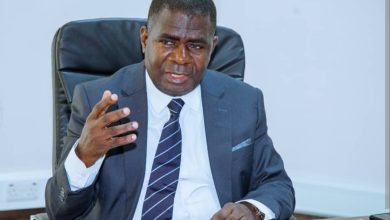
Assistant Director of Science, Technology and Innovation in the Ministry of Education, Science and Technology, Dr Harun Makandi, made the statement when opening the Russia-Africa Women’s Forum in Dar es Salaam today, October 22, 2026, calling for an action plan to turn discussions and scientific partnerships into tangible development outcomes.
According to the director, the forum should go beyond exchanging knowledge and signing agreements to establish clear implementation strategies, funding channels and measurable actions for deploying nuclear technology in key sectors.
“Let this dialogue not be just a talking show. Let it not be a panel where people are showcasing their eloquence… Let this be a mark of action,” he said.
Elaborating, Dr Makandi said Tanzania is prioritising science and technology as tools for national development, noting that nuclear applications will help address challenges beyond the commonly associated perception of nuclear technology as a weapon.
ALSO READ: Envoy Yakubu meets IAA leadership as it seeks to expand its global partnerships
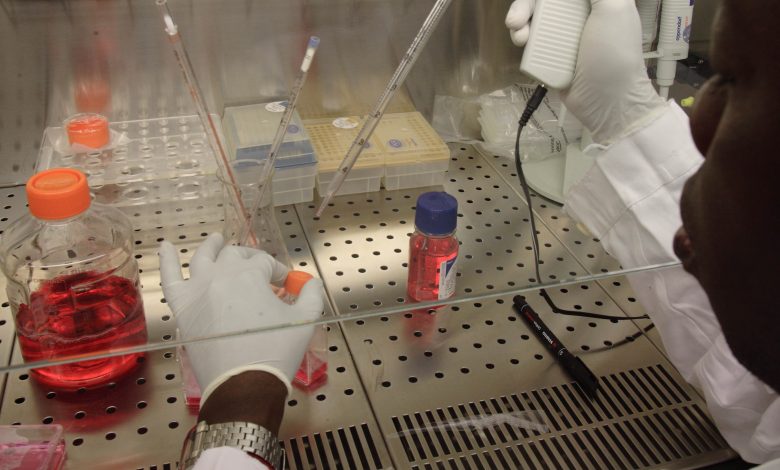
He said peaceful nuclear applications could improve healthcare services, support agricultural development and enhance access to clean water, contributing to the country’s long-term development ambitions.
In addition, he noted that the government is also working to strengthen education by equipping learners with practical skills and competencies needed to apply scientific knowledge and exploit opportunities arising from technological advancement.
He said building a skilled workforce is essential to ensuring that partnerships and scientific research are translated into solutions that benefit communities and stimulate economic growth.
Moreover, he called on young women interested in science to seize opportunities emerging from government policies, scholarships and mentorship programmes to pursue careers in physics, chemistry, nuclear science and nuclear engineering.
He cited initiatives supported by President Samia Suluhu Hassan, including scholarships intended to enable talented women from different backgrounds to access education in science-related fields, as part of efforts to widen participation in specialised disciplines.
He also pointed to the leadership of women in Tanzania’s nuclear sector as an inspiration for young scientists, saying visible role models could encourage more girls to pursue careers traditionally perceived as inaccessible.
“Besides the frameworks, besides the funding, you have a person who has made it to the very highest level,” he said, referring to women leaders in the sector.
Dr Makandi said knowledge-sharing platforms such as the forum were important in connecting researchers, emerging scientists and international partners, but stressed that their value depended on how effectively the knowledge generated was applied.
He said collaboration between Tanzania, Russia and other participating countries could strengthen scientific capacity and support the peaceful use of nuclear technology across different sectors.
He challenged participants to develop a practical action plan outlining implementation priorities, financing arrangements and strategies for expanding nuclear applications in medicine, agriculture and water supply.
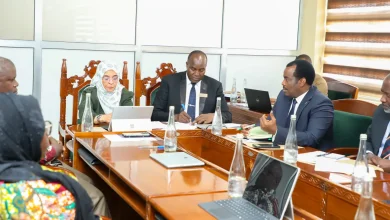
Dr Makandi officially opened the forum on behalf of the Permanent Secretary in the Ministry of Education, Science and Technology, Professor Caroline Nombo.