Tanga steps up tree planting drive efforts
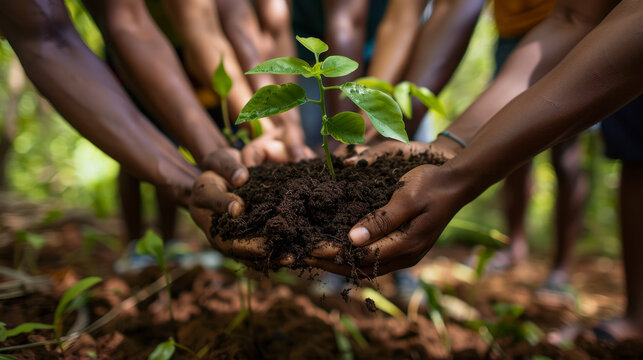
TANGA: TANGA Region has intensified its focus on environmental conservation, with authorities reinforcing measures to protect water sources and ensure full implementation of the government directive.
Tanga Regional Commissioner Amb Batilda Burian told journalists and Tanzania Forest Services Agency (TFS) on Wednesday that the directive requires each council to plant 1.5 million trees annually.
“When we aim for sustainable development, we must consider economic, modern, social and environmental pillars by ensuring that all activities carried out are environmentally friendly,” she said.
Amb Burian said that the region has launched a major treeplanting initiative, especially fruit trees such as mangoes, coconuts and cloves, particularly in Muheza and Mkinga districts.
She added that the region is now among the clove-producing areas outside Zanzibar, Pemba and Morogoro.
She said that two million trees will be planted over two years, and during this year’s season, 10,000 trees will be planted, including cocoa, cashew and timber trees.
“If citizens understand that the trees they plant contribute to improving their economic wellbeing, there will be greater participation,” she added.
Dr Burian also stated that the region is registering carbon projects, with four projects already registered in Kilindi, Mkinga, Muheza and Bumbuli Council in Lushoto District.
“For now, we have imposed a ban on tree cutting, including on private farms, unless a permit is obtained. District Commissioners have been empowered to issue these permits and clear directives have already been issued to enforce the measure,” she said.
Dr Burian said the regional government, in collaboration with the TFS, will continue strengthening enforcement to ensure charcoal production is not treated as a way of settling fines after illegal logging, but rather to prevent tree cutting at the source.
“If you find someone carrying charcoal, it means they have already destroyed trees, some of which are indigenous and take 50 to 100 years to grow,” she said.
She added that enforcement mechanisms will be tightened through the involvement of reserve forces in rural areas, working alongside village leaders to curb tree cutting activities before they occur.