SUA embarks on a project to use specially trained rats for detecting TB bacteria in patients from 80 hospitals
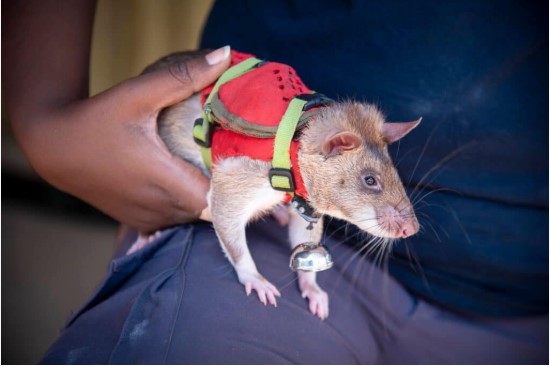
DODOMA: SOKOINE University of Agriculture (SUA) is working with about 80 hospitals across the country to use specially trained rats to detect tuberculosis (TB) bacteria, strengthening efforts to identify the disease in patients whose initial tests may fail to detect it.
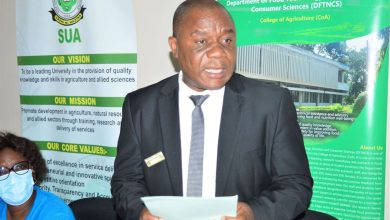
SUA Vice Chancellor, Professor Raphael Chibunda revealed this on Monday in Dodoma when briefing journalists on the university’s implementation of the 2025/26 budget and plans for the 2026/27 financial year noting that the technology has produced promising results, prompting a growing number of hospitals to seek partnerships with the university to use the rats in TB detection.
Elaborating, the Professor stated that the use of rats in TB detection followed major breakthroughs by SUA researchers in using the animals to detect landmines.
According to Prof Chibunda, the conventional method of detecting TB involves collecting sputum from patients and examining it under a microscope, a method whose ability to detect the disease is limited.
ALSO READ: ILO educates employers of domestic workers on employees’ rights, benefits
He said sputum samples that test negative through microscopic examination are then presented to the trained rats for further screening.
“If the rats detect a possible presence of TB bacteria in the sputum, the sample is sent back to the hospital for further examination using another specialised method with a higher detection capacity than microscopy,” he said.
He said the initiative demonstrated how university research and innovation could be translated into practical solutions to address challenges facing Tanzanians, particularly in the health sector.