State capture, graft hold back Kenya’s economy
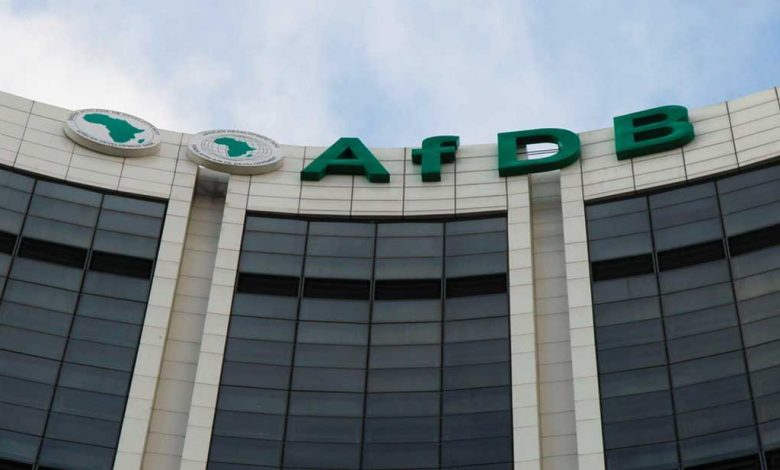
NAIROBI: CORRUPTION and illicit financial flows cost Kenya as much as 1.5-billion US dollars annually, funds that could transform health, education and infrastructure development, the AfDB report says.
Public spending inefficiencies cost another five per cent of gross domestic product, while tax exemptions and incentives amount to an additional 800-million US dollars a year.
“Combined, these losses undermine Kenya’s capacity to finance its own development and reduce reliance on external aid,” the lender said.
In 2024, Kenya ranked in the bottom third of Transparency International’s global corruption perception index, on par with nations such as Sri Lanka, Angola, Ecuador and Uzbekistan.
So-called state capture, where political elites dominate lawmaking and enforcement — is also subverting the rule of law and creating uncertainty, which in turn curtails investment and capital mobilisation, the Abidjan-based lender said.
ALSO READ: Hyatt Regency Nairobi to boost Kenya’s economy, tourism
“Investors fear biased rulings, delays, and lack of transparency, increasing operational risks and deterring investment,” it said.
“Ultimately, the rule of law, upheld by robust law enforcement and an independent judiciary, remains the foundation for sustained economic growth, social equity, and public trust in governance.”
The report added; “Rising poverty alongside high unemployment and inequality highlights that Kenya’s economic growth has not been fully inclusive.”