Stakeholders push for modern waste management
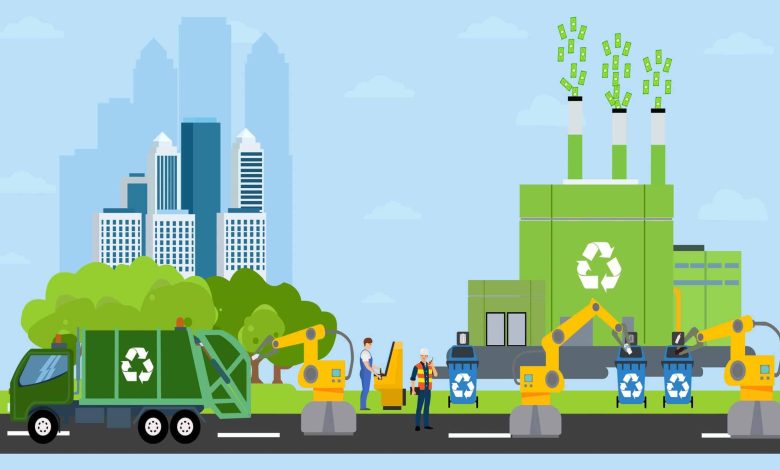
DAR ES SALAAM: TANZANIA generates more than 14 million tonnes of waste annually, with environmental experts describing the growing volumes as a valuable economic resource capable of creating jobs, generating income and driving the green economy if properly managed and recycled.
The revelation was made yesterday in Dar es Salaam during a national meeting of environmental stakeholders organised by the National Environment Management Council to discuss the future of waste management and promote the recycling sector in the country.
Stakeholders at the meeting were informed that between 40 and 50 per cent of all waste generated in the country comes from major cities including Dar es Salaam, Mwanza, Arusha, Dodoma, Mbeya and Tanga, reflecting increasing ecological and economic pressure in urban areas.
Speaking at the meeting, the Deputy Permanent Secretary in the Vice President’s Office (Union and Environment), Baraka Luvanda, said the world is moving towards a green economy, and therefore waste management and recycling should not be viewed only as sanitation issues but also as important economic opportunities.
“As the world moves toward a green economy and sustainable development, waste management and recycling are not only environmental issues but also economic opportunities,” said Ambassador Luvanda.
He added that it is the responsibility of the government, in collaboration with private stakeholders, to establish an inclusive waste management system that recognises the contribution of every participant, from waste collection to processing, in order to boost productivity in the rapidly growing sector.
The meeting, which also brought together waste pickers from the Dar es Salaam Region, heard that the group continues to face challenges of low income despite its significant contribution to reducing waste sent to landfills and increasing recycling rates in the country.
Ambassador Luvanda noted that waste pickers and scrap metal collectors are an important part of Tanzania’s waste management system.
ALSO READ: Experts warn over shortage of child specialists
“You are part of the waste management system that for many years has greatly contributed to reducing the amount of waste taken to landfills, increasing recycling rates, providing jobs and income to thousands of citizens and helping to reduce waste generation,” he said.
On her part, the Director General of National Environment Management Council, Dr Immaculate Semesi said the environment is a crucial pillar of public health, mental well-being and national economic development.
She said the institution has been entrusted with overseeing environmental safety across the country.
“Today, recycling stakeholders, environmental technology investors, waste pickers and green solution innovators are making a major contribution to reducing environmental pollution, increasing green jobs and stimulating the nation’s sustainable economy,” said Dr Semesi.
During the discussion, experts pointed out that the increasing amount of waste in the country has contributed to blocked drainage systems, frequent flooding, disease outbreaks, environmental pollution, rising urban sanitation costs and the loss of recyclable resources that could be reintroduced into the economy.
The meeting concluded with a joint call to strengthen cooperation between the government, private sector and citizens to ensure Tanzania builds a sustainable waste management system capable of supporting the green economy and protecting the environment for present and future generations.