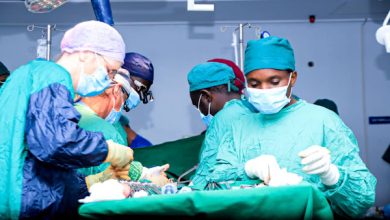
Specialized training for Midwives target maternal health improvement

DAR ES SALAAM: A total of 90 midwives from various health facilities in Dar es Salaam are undergoing specialized training aimed at enhancing their capacity to provide quality maternal care and reduce childbirth complications.
The 15-day training, organized by the Tanzania Midwives Association (TAMA) in collaboration with the government, UNFPA, and the Canadian Midwives Association, began on Monday.
The first group of 30 midwives is undergoing a five-day session, with additional groups set to follow.
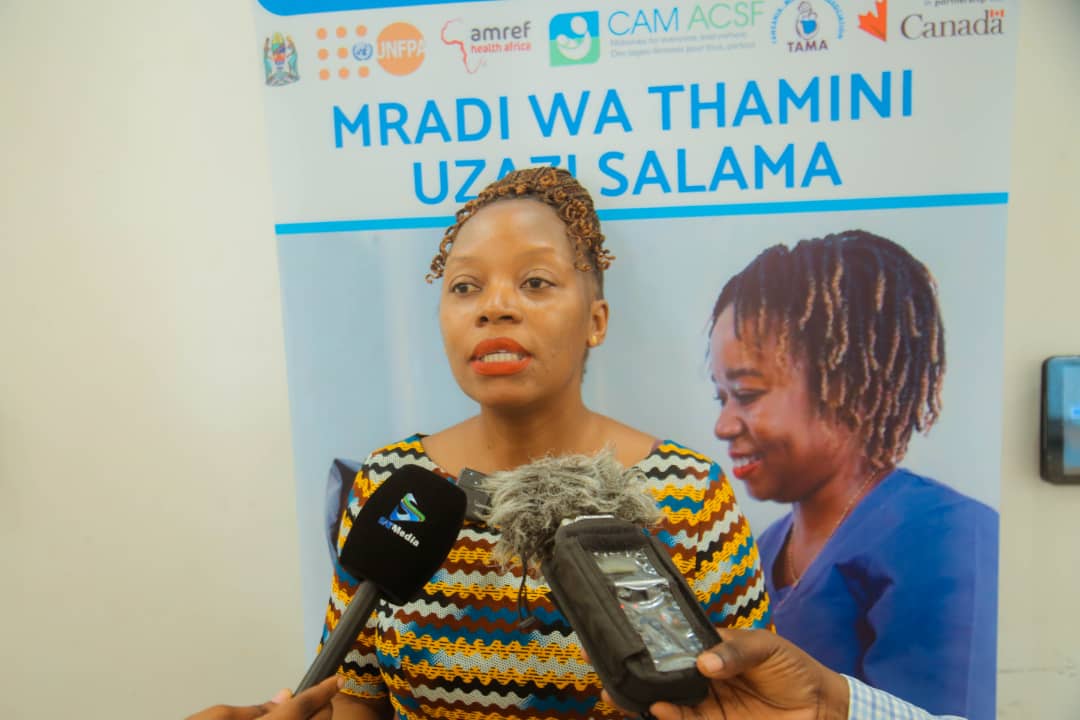
TAMA President Dr. Beatrice Mwilike said the training focuses on equipping midwives with skills to manage critical childbirth complications, particularly excessive bleeding, which remains a major cause of maternal deaths.
“We are training midwives on how to handle excessive bleeding in pregnant women before delivery, manage cases where the baby’s shoulders get stuck during birth, and assist mothers who are unable to deliver naturally. These skills are crucial in ensuring safe childbirth,” she said.
ALSO READ: Gov’t assures of ARV supply
Dar es Salaam Regional Maternal and Child Health Coordinator Ms Agness Mgaya emphasized the importance of continuous training, noting that medical knowledge is constantly evolving.
“We are committed to improving maternal and newborn care, but healthcare is a science that keeps advancing. Our midwives must stay updated with the latest techniques and best practices to provide quality services,” Ms Mgaya said.
She also called for greater male involvement in maternal healthcare, urging men to accompany their partners to prenatal and delivery appointments to provide emotional support.
Participating midwives expressed confidence that the training will enhance their skills and pledged to share their knowledge with colleagues at their respective health facilities.
The Thamini Uzazi Salama (Value Safe Motherhood) project, a seven-year initiative, is being implemented in Dar es Salaam and Shinyanga regions identified with high maternal and infant mortality rates.