Soil mapping plan covers 19 regions
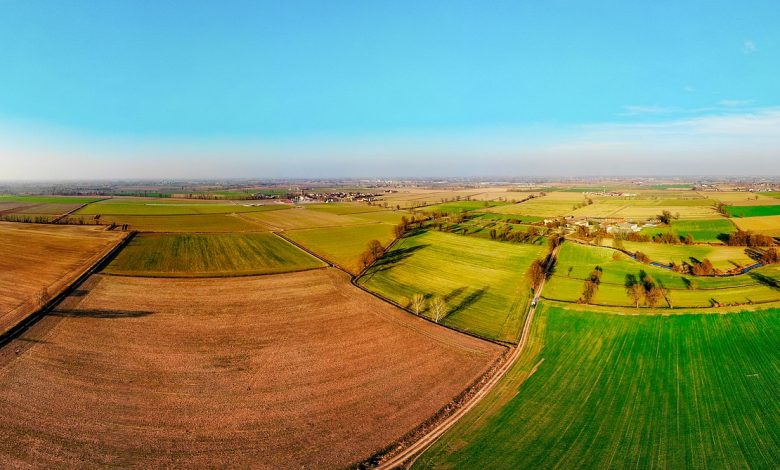
DODOMA: THE government has made significant strides in implementing the National Soil Health Testing Programme, which has so far covered 19 regions across the country.
About 90,000 soil samples have been collected to date, covering an estimated 40,000 hectares.
The development was confirmed by the Director of Agricultural Land Use Planning and Management in the Ministry of Agriculture, Eng Juma Mdeke.
He said the exercise, which is expected to cover all regions, is part of broader efforts to strengthen the agricultural sector and enhance food security.
“The programme has already been implemented in 19 regions, with the remaining areas being in the Southern Highlands, including Mbeya, Rukwa, Katavi, Njombe and Songwe. The exercise is expected to be completed by June this year,” said Eng Mdeke.
He added that, alongside the nationwide exercise, farmers are encouraged to continue testing their soil locally using devices distributed to local councils, as they await results to be presented through digital soil maps.
Eng Mdeke explained that the national sampling approach does not cover every individual farm. However, the use of modern soil testing devices enables farmers to analyse their soil locally and receive appropriate agronomic advice based on specific land conditions.
He further emphasised that, in light of government subsidies on seeds, fertilisers and other agricultural inputs, farmers should prioritise soil testing before planting to improve productivity and ensure food security.
The National Soil Health Testing Programme was launched in November last year under the Tanzania Food Systems Resilience Programme (TFSRP) to boost agricultural productivity by addressing soil acidity. The initiative began with pilot regions of Njombe, Iringa and Katavi, aiming to guide farmers on proper fertiliser use.
The programme seeks to promote sustainable farming practices in Tanzania, where agriculture employs more than two-thirds of the workforce and contributes nearly 30 per cent to the Gross Domestic Product (GDP).
According to the World Bank, about 50 per cent of Tanzania’s soils is degraded due to factors such as monoculture, climate change and excessive use of chemical fertilisers, leading to nutrient depletion, soil erosion and loss of biodiversity.
Experts note that healthy soil is critical for agricultural productivity, as they retain moisture, supply essential nutrients and support plant growth