Siti turns banana waste into green business
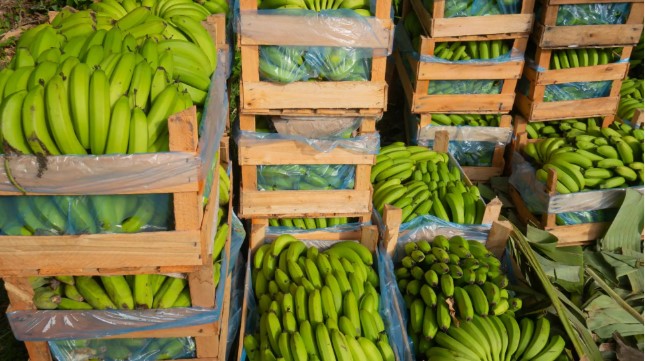
ZANZIBAR: BEFORE sunrise, Siti Hamad Ali heads to her banana farm. By the time she returns home, cooking, cleaning and caring for her family are already waiting. For the 49-year-old farmer in northern Zanzibar, that rhythm has shaped everyday life for years.
But like many women in her coastal community, she has always wanted more than simply getting through each day. She wanted to build a stronger livelihood from the land she worked so hard to cultivate. That was not easy. Crop diseases affected her banana farming, while opportunities to earn extra income remained limited. Then, in 2025, an opportunity arrived that changed the way she looked at what surrounded her.
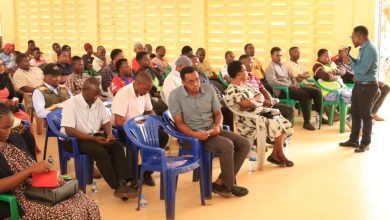
Siti joined training designed to help women strengthen their capacity to respond to climate change, build leadership skills and identify new economic opportunities.
During the sessions, she discovered that banana peels, something she had always considered waste could become a valuable resource. She learned how to turn the discarded peels into alternative charcoal briquettes by using them as a natural binding agent.
“I no longer throw anything away. Everything has a use,” she says.
What began as a lesson soon became an experiment. Because bananas are seasonal, Siti wanted to find a way to continue producing briquettes throughout the year. She started testing breadfruit as an alternative binding material, adjusting the mixture and drying process until she found a formula that worked.
“I learned that innovation does not always require sophisticated technology,” she says. “Sometimes it begins by looking at what we already have differently and finding ways to turn it into solutions to the challenges we face.”
ALSO READ: Girls ready to lead digital future
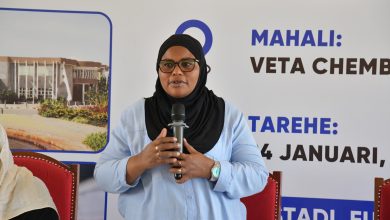
Her journey is part of the UN Zanzibar Joint Programme, where UN Women partnered with FAWE-Zanzibar to equip women with climate-smart production techniques, entrepreneurship skills, digital literacy and leadership training.
The programme also supported women working across banana, cassava, seaweed and sea cucumber value chains, helping them access productive equipment, climate-smart technologies and business development services to strengthen their participation in local markets. For Siti, one of the biggest breakthroughs came through digital literacy.
She now uses digital platforms to improve the branding, packaging and marketing of her products. She has even used artificial intelligence tools to create a logo for Riziki Yetu, her banana farmers’ cooperative, and is preparing to become a Trainer of Trainers through the programme’s Digital Hub.
“What makes it even more rewarding is being able to share what I have learned,” she says. “I want other women in my community to use these tools to strengthen their businesses and create more opportunities for themselves.” And she has done exactly that.
After returning home, Siti began teaching fellow cooperative members how to produce briquettes, adapt to climate challenges and improve their businesses. Her reputation soon spread beyond her village, earning invitations to travel to Pemba and train other women’s groups, while organisations increasingly sought her expertise in alternative charcoal production.
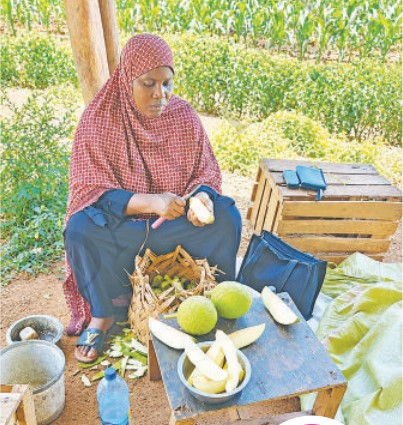
Her growing influence received national recognition on July 17, 2026, when she received the Recognition of Outstanding Performance as Green Business Winner from the International Labour Organization and the SIYB Association of East Africa during SIYB Day Tanzania.
“I felt very happy and proud to see how something I learned could grow into an opportunity to reach and support many others,” she says. Today, her cooperative has a briquette-making machine that allows members to increase production, demonstrate the technology to other communities and create another source of income.
For Siti, success is no longer measured only by the bananas she harvests. She wants to continue expanding her green business, train more women and use digital technology to reach wider markets. Most of all, she hopes more women will begin seeing opportunity where others see waste because for her, a discarded banana peel no longer marks the end of a product’s life, but the beginning of possibility.