Scientists test new TB adherence tech
DAR ES SALAAM: SCIENTISTS are testing a smart electronic pillbox to help tuberculosis (TB) patients keep up with their treatment, as efforts continue to improve recovery rates and prevent drug-resistant infections.
The study, led by researchers at the Ifakara Health Institute, is exploring how simple technology can support patients to take medication consistently and complete treatment.
Principal Investigator, Beno Mbeya said the long duration of TB treatment remains a major challenge, often leading to interruptions or patients failing to complete their medication.
Standard TB treatment typically lasts six months but can extend up to 24 months for patients with drug-resistant TB.
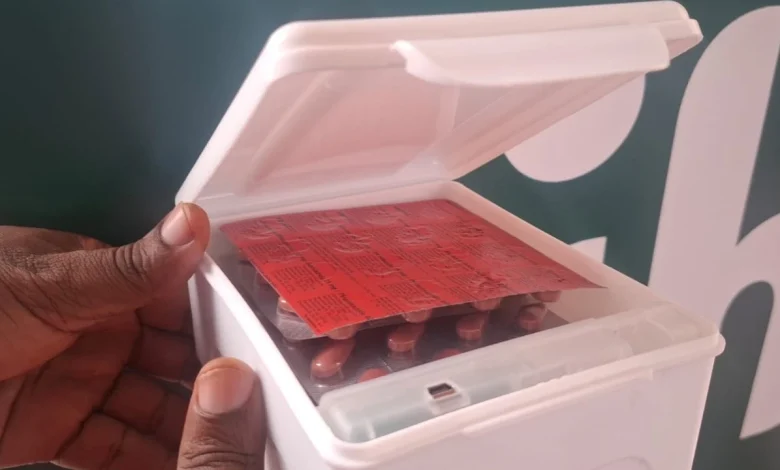
As part of the study, researchers are testing a device known as the Wisepill box, which allows them to monitor whether patients are taking their medication as prescribed.
“The medication is stored in the device, which is charged and given to the patient to use at home. Each time the patient opens the box, a notification is automatically sent to us through a phone or computer, indicating the exact time the device was opened. This enables close tracking of patients’ adherence to treatment,” he said.
Mr Mbeya said successful TB treatment requires more than just medication, noting that family and community support play a key role in helping patients follow treatment properly.
Speaking during the commemoration of World Tuberculosis Day in Dar es Salaam, the institute’s Executive Director, Honorati Masanja, said ongoing research is also focusing on shortening treatment duration.
“The study seeks to reduce the treatment duration from six months to two months, so that more patients can complete their medication. Failure to do so increases the risk of drug-resistant infections,” he said.
He added that researchers are exploring simpler, technology-driven diagnostic methods to support early detection of TB. “Many people tend to ignore TB symptoms, but with easier diagnostic tools, it becomes much simpler to initiate treatment early,” he said. According to the Chief Medical Officer, Grace Magembe, TB remains among the world’s deadliest infectious diseases despite the availability of treatment.
Citing the 2024 report by the World Health Organisation, she said the country has made notable progress in reducing infections and deaths.
New TB infections have declined from 306 per 100,000 people in 2015 to 172 per 100,000 in 2024, a decrease of 44 per cent.
TB-related deaths have also dropped from 56,000 in 2015 to 23,500 in 2024, equivalent to a 59 per cent reduction.
“These achievements are the result of significant government investment in improving healthcare infrastructure, particularly in expanding diagnostic and testing networks using modern technologies,” Dr Magembe said.
The gains place the country among a few globally that are on track to meet the target of eliminating TB by 2030.