School campaign targets more than 100,000 out-of-school children

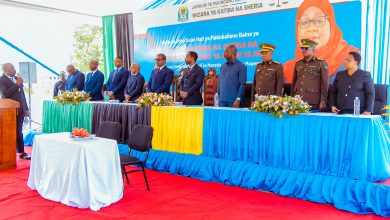
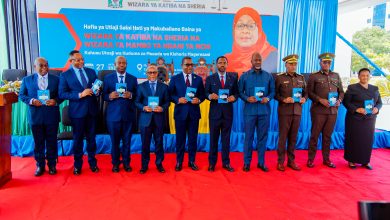
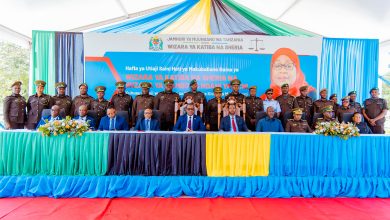
KIGOMA: THE government, together with UNICEF and the Education Above All Foundation (EAA), launched the out-of-school children (OOSC) enrolment and retention campaign.
The campaign is titled “Kila Mtoto ana Ndoto ya Kesho Bora. Chukua Hatua. Rudi Shule!” (Every Child has a Dream for a Better Tomorrow. Take Action. Return to School).
This campaign is part of a five-year programme, “Equitable Access to Quality Primary Education for Out-of-School Children in Tanzania,” which began in 2022 in Kigoma, Tabora and Songwe regions with support from UNICEF in partnership with the Education Above All (EAA) Foundation.
Tanzania has made significant strides in increasing primary school enrolment from 10.3 million to 11.4 million between 2019 and 2023. Despite this growth, the enrolment rate for school-age children dropped from 95.3 per cent to 86 per cent over the same period.
The regions included in this programme have the country’s highest rates of out-of-school children, with Tabora leading at 44 per cent, followed by Kigoma at 25 per cent and Songwe at 15 per cent.
ALSO READ: Govt adds patriotism to school curriculum
This initiative aims to reverse this trend by addressing barriers to education access, including long distances to schools, corporal punishment, outdated cultural practices, poverty, insufficient school supplies, family conflicts and the need for children to assist with farm work.
“Our nation’s progress relies heavily on the education of our young people because the strength of our economic growth depends on their potential,” Kigoma Regional Commissioner Thobias Andengenye said during the campaign launch, adding that the Government is committed to ensuring that every child has access to education and that no child is left behind.
This campaign is essential for bringing out-of-school children back to classrooms, allowing them to build brighter futures and contribute to the country’s development.
The programme is working to enrol and retain over 100,000 out-of-school children through awareness efforts and overcome barriers to education by implementing various interventions.
These include renovating classrooms and water, sanitation and hygiene (WASH) facilities, establishing education satellite centres in remote areas without schools and distributing essential school supplies such as bags, notebooks, pens and pencils.