Samia recounts BBT success
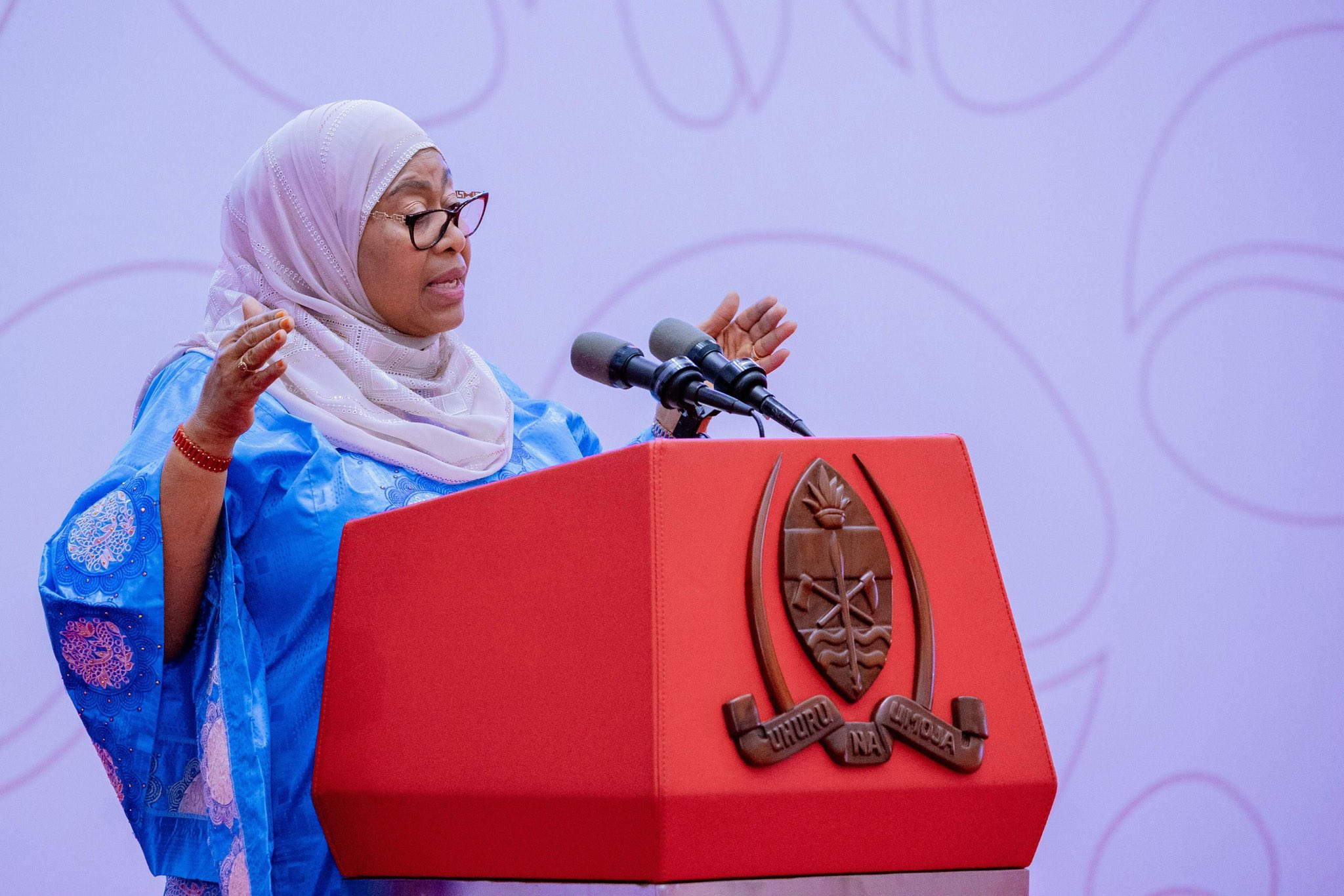
DAR ES SALAAM: PRESIDENT Samia Suluhu Hassan has announced that Tanzania is now ready to share its Build a Better Tomorrow (BBT) programme with other African nations to boost youth participation in coffee farming.
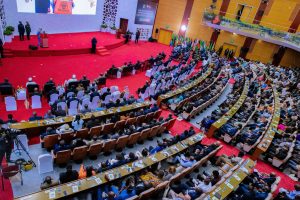
Speaking at the 3rd G25 African Coffee Summit, the Head of State outlined the success of the initiative in engaging young people in agriculture and positioning coffee as a viable economic opportunity for the continent’s youth.
“Tanzania has a major programme called BBT, which aims to empower young people to participate in agriculture, including coffee farming.
“Through this initiative, we are not only enhancing production but also creating employment opportunities. Now, we are ready to share this programme with other countries to enable more African youth to engage in coffee farming and benefit from its opportunities,” she told participants from 25 coffee producing African countries.
During the summit, the President visited various exhibition booths, including the Kagera Region’s pavilion, where she witnessed firsthand how the programme is transforming the lives of young farmers.
In Kagera, a leading coffee-producing region in Tanzania, the government has provided 300 young farmers with one-acre plots each, along with coffee seedlings, fertilisers and irrigation infrastructure, including water wells.
The young farmers are responsible for planting, maintaining and harvesting their crops, ultimately selling their produce for profit.
“This is the best way to bring young people into the coffee sector,” she said, adding “Now, we are ready to teach many other countries about this BBT model so that more youth engage in coffee production across Africa.”
ALSO READ: G25 African coffee summit opens in Dar today
The theme of this year’s summit, “Unlocking Employment Opportunities for the Youth Through Regeneration of the African Coffee Industry,” underscores the urgent need to revamp the sector, which has seen declining production despite increasing global coffee demand.
President Samia said statistics show that approximately 3 billion cups of coffee are consumed worldwide daily, with a significant portion coming from African coffee farms.
However, Africa’s contribution to the global coffee market has dropped from 25 per cent in the 1960s to just 10-11 per cent today, despite the industry’s continued growth.
President Samia stressed the need to increase coffee production and restore Africa’s former position in the global market.
She pointed out that fluctuating coffee prices have discouraged many farmers over the years, with some abandoning coffee farming altogether. However, initiatives, like BBT, aim to reverse this trend by providing young people with the necessary support and resources to succeed.
“Africa’s coffee sector has faced many challenges, but it remains a significant economic opportunity. Our coffee is exported worldwide, yet it is often sold at low prices before being processed and resold at much higher prices. This is a challenge we must address by investing in value addition and local processing,” she asserted.
The Head of State further said a major challenge for Africa’s coffee industry is that more than 90 per cent of the revenue generated from African coffee benefits other countries. The global coffee value chain is estimated to be worth 500 billion US dollars, yet Africa earns only 2.5 billion US dollars, a mere 0.5 per cent of the total industry revenue.
“This means that while we produce the coffee, the profits go elsewhere. We need to change this by adding value to our coffee before exporting it,” she said.
The President recalled her visit to Ruvuma Region last year, where she toured Aviv Coffee Farm, an example of how value addition can create jobs for young people and women.
She also expressed optimism after seeing young Africans at the summit processing coffee locally to match international standards.
“Our young people have shown the way forward. We must empower them to take charge of the coffee industry’s transformation,” she said.
To address these challenges, Tanzania and other African nations are focusing on enhancing coffee production, improving processing technology and expanding markets.
President Samia proposed that by 2035, at least half of Africa’s coffee should be processed within the continent before being sold locally or internationally.
“The value of this industry lies more in the supply chain than in raw production. Apart from processed coffee, other coffee by-products such as coffee husks for tea, fertilisers and beauty products can also create economic opportunities,” she said.
She further urged African nations to leverage the African Continental Free Trade Area (AfCFTA) to collectively market their coffee and ensure the benefits remain within the continent.
“For our resolutions from these summits to be properly monitored, it is important for the Inter-African Coffee Organisation (IACO) secretariat to establish a system for preparing progress reports on all past meetings, including the Dar es Salaam Declaration, so that we can track our progress and determine the way forward. Otherwise, we will simply be making agreements without follow-up. There should also be a Monitoring and Evaluation framework,” President Samia said.
According to her, Tanzania is planning to increase production, improve quality and ensure that its coffee can compete in the international market.