

Safe to learn, free to dream
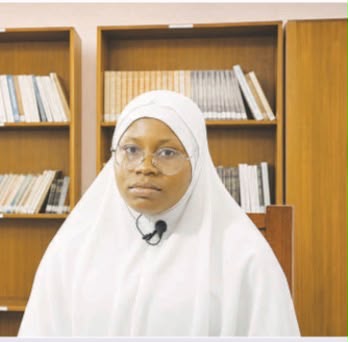
ZANZIBAR: FOR Edina Omar Yusuf, attending college is about more than acquiring skills for her future. It is also about knowing that she can pursue her education in an environment where she understands her rights, recognises harassment and knows where to seek help when necessary.
An Information and Communication Technology (ICT) student at Mwanakwerekwe Vocational Training Centre in Zanzibar, Ms Yusuf says recent awareness initiatives have changed how she and her fellow students understand genderbased violence and their role in preventing it.
“Since receiving the training, I have seen how much we have changed. We have learned how to protect ourselves from abuse and put what we have learned into practice,” she says.
Her experience reflects growing efforts to make vocational training institutions safer for women and girls by strengthening awareness, prevention and response mechanisms.
Through a partnership with Zanzibar’s Vocational Training Authority (VTA), UN Women is supporting initiatives to prevent and respond to GenderBased Violence (GBV) in vocational training institutions.
The work is being implemented through the European Union-funded Ending Violence Against Women and Girls in Zanzibar project, which runs from 2022 to 2028.
For male students, the initiative is also creating opportunities to question attitudes and behaviours that may previously have been accepted as normal.
An ICT student at Mwanakwerekwe and an adviser to the student government, Ali Mtumwa Abdullahi, admits that he once failed to recognise certain behaviours as forms of harassment.
“There were things I used to consider normal, like unwanted comments and actions, because I did not understand how serious they were,” he says.
Through the training, Abdullahi developed a better understanding of harassment, gender-based violence, consent and the importance of respecting other people’s boundaries.
He also recognises that awareness alone cannot eliminate the problem. Students need accessible reporting procedures and confidence that their complaints will be taken seriously and addressed appropriately.
For young women, vocational education offers an important pathway towards acquiring practical skills, accessing employment and achieving economic independence.
However, harassment and genderbased violence can undermine these opportunities, affecting students’ confidence, academic performance and ability to complete their training.
Planning Officer at Zanzibar’s Vocational Training Authority and the focal point for the initiative to prevent genderbased violence in colleges, Mr Yahya Rashid Abdu, says the consequences were previously serious, particularly because students lacked clear reporting mechanisms.
“Before this project existed, incidents of harassment occurred and students were subjected to abuse, but they had nowhere to report them,” he explains.
In some cases, students abandoned their studies, while others continued attending classes but struggled academically because of their experiences. Recognising these challenges, the VTA began strengthening institutional approaches to preventing and responding to gender-based violence.
The process started with the Authority’s Board of Directors, senior management and teachers before expanding to awareness-raising activities among students. An assessment involving approximately 4,000 students from public and private vocational training institutions informed the development of VTA guidelines on preventing, identifying and reporting harassment.
According to Abdu, awareness-raising activities have subsequently reached approximately 42 vocational training colleges across Unguja and Pemba. The initiative has also supported youth groups and clubs in 12 higher learning and training institutions to raise awareness of violence against women and girls and its consequences for communities’ social and economic wellbeing.
Through youth-led outreach activities, more than 5,000 community members have been reached. These efforts are helping extend conversations about safety and respect beyond classrooms, encouraging young people to become active participants in preventing violence within their communities.
While educating students is essential, sustainable change also requires institutions to establish clear procedures for handling reported incidents. To strengthen prevention and response, the VTA has finalised Standard Operating Procedures (SOPs) for addressing harassment and GBV across vocational training centres in Zanzibar.
The procedures outline institutional responsibilities, reporting processes and referral pathways, including connections to Police Gender and Children’s Desks and One Stop Centers for survivors requiring additional support.
The project is also supporting the designation of teachers as anti-GBV focal points within each centre. These teachers will help oversee implementation of the procedures and serve as identifiable contacts for students who wish to report harassment or seek guidance.
For Yusuf, understanding what to do when someone experiences abuse has been one of the most valuable lessons.
ALSO READ: Beyond beauty, Lake Nyasa could become Ruvuma’s next major engine of domestic tourism growth
“I learned how to help someone who is experiencing abuse, whether it is me or someone else,” she says.
She explains that students now have a better understanding of whom to approach within their colleges and where additional assistance may be available.
This knowledge is particularly important in communities where shame, fear of stigma and uncertainty about reporting procedures can prevent survivors from speaking out. Although vocational institutions are important spaces for prevention, the risks facing women and girls are not limited to educational environments.
Yusuf points out that harassment can also occur in public spaces and during journeys between home and college, making safety an issue that extends beyond the classroom. Recognising this, UN Women and its partners are engaging other sectors, including transport operators such as boda boda riders, to strengthen awareness and prevention of gender-based violence.
The initiative also addresses violence against women and girls in digital spaces, where technology can be misused to intimidate, harass or violate individuals’ privacy. Abdu says students are being sensitised to emerging forms of abuse, including the sharing of photographs without consent.
“We’re seeing more of these cases, so we also help students recognise and report forms of harassment such as sharing someone’s photograph without their consent,” he says.
Addressing these different forms of violence is important because women and girls should be able to pursue their education and participate in society without fear, whether they are inside a classroom, travelling to college or interacting online.
The Government of Zanzibar has identified ending violence against women and children as a priority, including through its National Plan of Action on Violence Against Women and Children 2025–2030.
For Abdullahi, progress begins with recognising harassment and understanding the importance of respectful behaviour.
For Yusuf, it means knowing where to seek help and having the confidence to support others. For the VTA, it means strengthening institutional systems that protect students and promote accountability.




nice
The game variety is top notch and I love the interface. Definitely my new go-to spot, check out slotmestre777 if you love slots.