Rural water coverage rises to 85pc
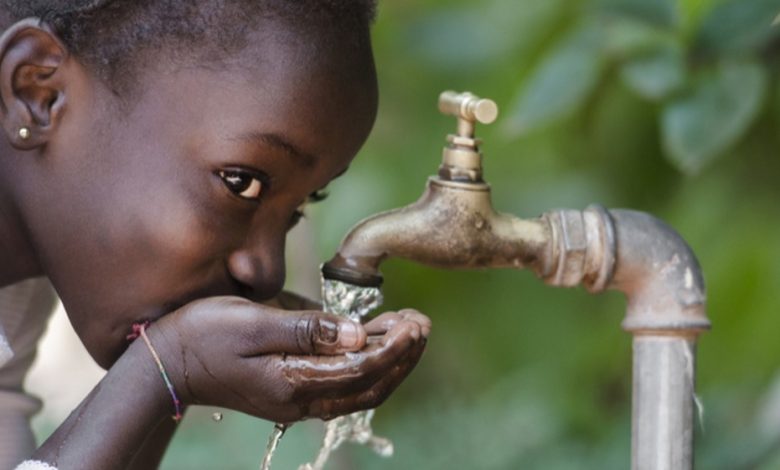
MWANZA: ACCESS to clean and safe water in rural areas has increased from 64 per cent to 85.2 per cent under the first phase of the Sustainable Rural Water Supply and Sanitation Programme (SRWSSP), benefiting more than 10.2 million Tanzanians, the government has said.
The Director General of the Rural Water Supply and Sanitation Agency (RUWASA), Eng Wolta Kirita, said the programme has not only expanded water infrastructure but also strengthened institutional performance, service sustainability and management of the rural water sector.
Speaking in an exclusive interview in Mwanza yesterday on the programme’s achievements, Eng Kirita said the first phase of the Programme-for-Results (PforR), which concludes this year, has laid a strong foundation for further improving water services in rural communities.
He said the government has already initiated the second phase of the programme to sustain the gains achieved, expand access to quality water services and improve environmental sanitation.
ALSO READ: NGOs urged to align projects with Vision 2050
Eng Kirita added that the government has continued implementing water supply and sanitation projects under the programme to ensure rural water facilities remain operational and provide reliable services to wananchi.
The Programme Coordinator from the Ministry of Water, Eng Mashaka Sitta, said the SRWSSP is being implemented jointly by the Ministry of Water, the President’s Office–Regional Administration and Local Government (PO-RALG) and the Ministry of Health, with the Ministry of Water serving as the lead implementing institution.
He said the first phase also improved water, sanitation and hygiene services in primary and secondary schools, as well as health facilities.
According to Eng Sitta, the second phase will be financed with 200 million US dollars from the World Bank and aims to achieve universal rural water access while increasing the number of beneficiaries of clean and safe water services.
He said the new phase is expected to strengthen public health, improve environmental sanitation and accelerate social and economic development in rural areas.