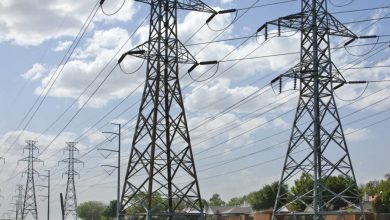
Rural electrification turns to infectious diseases prevention

THE Rural Energy Agency (REA) has embarked on implementation of a 34bn/- project to electrify rural health and water facilities in all regions of Tanzania mainland in efforts to prevent spread of infectious diseases, including the Covid-19.
With exception of Dar es Salaam, the nine-month project, funded by the European Union (EU) in collaboration with the government will be implemented in 25 regions.
This was revealed yesterday when the REA was signing agreements with three local contractors that would carry out the project.
The contractors include Dieynem Electrical Ltd, Stategrid Company Ltd and O.K Electrical & Electronics Services Ltd,
The project is expected to connect to the electricity grid a total of 6 hospitals, 37 health centres and 363 water supply schemes.
Speaking during the signing ceremony in Dar es Salaam, REA’s Director General Hassan Saidy stated: “this is special programme in supporting government’s efforts to prevent the Covid-19.”
Eng Saidy said the initiative, which mainly focused on health, is part of the Phase III of the REA’s rural electrification programme.
He told the contractors that there will be no extension of the agreed period; hence they ought to complete the project within the time.
“We need results in this important project because people supposed to have it sometimes ago and we are already late,” he stressed.
Commissioner for Energy from the Ministry of Energy, Eng Styden Rwebangira, stated that the project was crucial since some areas faced water challenge due to lack of electricity to pump water from the underground.
“Yet again, we thank our colleagues from the EU for caring about health of our people,” Eng Rwebangira thanked.
EU’s project manager Francis Songela said the project is part of EU’s support to bring power to rural areas.
He explained the EU signed with the government in 2017 to support efforts of rural electrification programme during which it had committed to provide 134bn/- for the five years period until 2022/23 financial year.
But, following the outbreak of the Covid-19, in December 2020 the EU sat with the government and agreed to give another 34bn/- to implement the project of electrifying rural health and water facilities to prevent the pandemic.
“The EU’s support also aims at building capacity of the REA in projects management. We believe that the contracted contractors are capable of completing the projects timely,” Mr Songela said.