Revenue leakages put 40 councils in spotlight
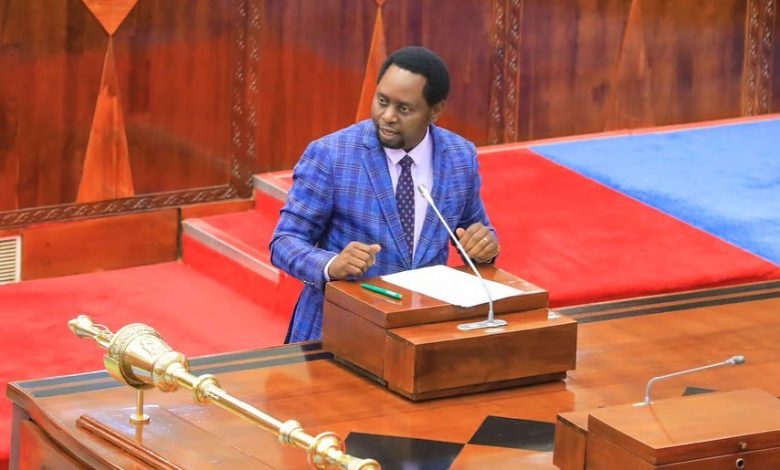
DODOMA: THE government has ordered 40 local government authorities to explain persistent weaknesses in revenue management, warning that officials found responsible for financial negligence and revenue leakages will face disciplinary action.
Deputy Minister in the Prime Minister’s Office (Regional Administration and Local Government), Dr Festo Dugange, told the National Assembly yesterday that the affected councils had been directed to strengthen revenue collection systems and establish realistic targets based on their actual revenue potential.
He made the remarks during discussions on the Parliamentary Standing Committee on Local Authorities Accounts (LAAC) report on the Controller and Auditor General’s (CAG) findings for the 2023/24 and 2024/25 financial years.
Dr Dugange said local government authorities collected 1.15tri/- against a target of 1.143tri/- in the 2023/24 financial year, representing 101 per cent of the target. Collections increased to 1.437tri/- in 2024/25, against a target of 1.356tri/-, equivalent to 103 per cent performance. “Some councils continued to underestimate their revenue potential by setting targets below their actual capacity, making it easier to achieve or exceed planned collections,” he said.
He added, “The government has also identified 11 councils that charged levies and building rental fees below legally prescribed rates and prevailing market prices, resulting in 5.34bn/- in foregone revenue during the 2024/25 financial year,” Dr Dugange said the affected councils had been instructed to apply rates that reflect prevailing market prices and recover the revenue that had not been collected.
He added that the 40 councils, representing 21 per cent of local government authorities, had been required to explain the weaknesses, with legal action expected against officials found negligent or responsible for revenue leakages.
ALSO READ: State committed to improving education – Dugange
On the 10 per cent loans scheme for women, youth and people with disabilities, Dr Dugange reported improved repayment performance following reforms introduced in 2024. He said the repayment rate had risen from 79 per cent in 2024/25 to 94.3 per cent in 2025/26.
However, outstanding loans amounted to 165bn/-, which he attributed to weaknesses in the previous legal framework, particularly inadequate controls over loan disbursement and monitoring of beneficiary groups.
“The government had integrated the NeST electronic procurement system with the Government Financial Management Information System (MUSE) to strengthen financial controls and prevent payments for goods and services procured outside established procurement procedures,” On outstanding council debts, he said the government had verified 118bn/- out of the 165bn/- identified by the CAG.
Of the verified amount, 59bn/- had been paid during the 2025/26 financial year, leaving an outstanding balance of 59bn/-, which had been incorporated into the current budget.
Dr Dugange cautioned councils against accumulating new debts, urging them to avoid procuring goods and services from small-scale entrepreneurs and other suppliers without ensuring their ability to make timely payments.
He said strengthening revenue collection, improving financial controls and enforcing accountability were essential to addressing weaknesses in local government financial management.