Psychologists are the missing link in national development
MOROGORO: PSYCHOLOGISTS are increasingly becoming indispensable in protecting the wellbeing of individuals, families and communities as Tanzania navigates a rapidly changing world. Their role extends far beyond treating mental illness. They help people cope with emotional, behavioural and social challenges that shape everyday life, strengthen resilience, improve productivity and build healthier communities.
As technological innovations accelerate, economic pressures mount, climate-related uncertainties grow and social structures continue to evolve, experts argue that psychologists should be present wherever people learn, work and live—not just in hospitals. After all, life’s biggest challenges rarely arrive with an appointment.
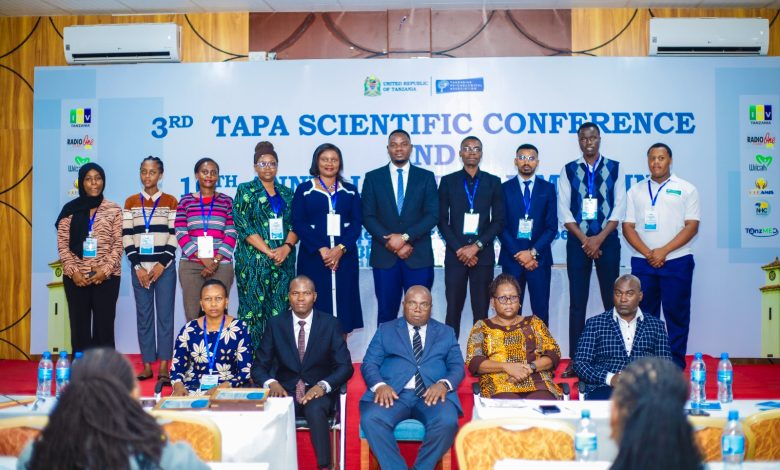
This message featured prominently during the Third Tanzania Psychological Association (TAPA) Scientific Conference and the 10th Annual General Meeting held in Morogoro, where experts called for psychologists to be deployed across schools, workplaces, communities and policy institutions to support mental wellbeing at every stage of human development.
Participants urged the government to make psychological services easily accessible and equitably distributed across all regions of Tanzania. According to the experts, integrating mental health support into every level of society would allow problems to be identified early, preventing them from escalating into more complex and costly social and economic challenges.
The appeal comes at a time when Tanzania, like many countries, is experiencing a growing burden of mental health concerns affecting children, young people, families and vulnerable populations. Rapid social transformation is occurring faster than many existing support systems can comfortably accommodate, leaving more people exposed to psychological pressures.
Held under the theme “Advancing Mental Health and Wellbeing in Changing Societies,” the conference brought together policymakers, psychologists, researchers and development partners to examine the country’s evolving mental health landscape and discuss practical solutions.
Addressing the gathering, TAPA President Dr Shanghembe Magolanga said the conference theme accurately reflects the realities confronting today’s societies. He noted that technological advancement, changing lifestyles and shifting social dynamics are transforming the way people live, communicate and work.
While these developments have created exciting opportunities for innovation and growth, Dr Magolanga said they have also introduced complex psychological challenges that require coordinated national responses.
He emphasized that mental health should no longer be viewed solely as an individual concern but as a national development priority. Sustainable development, he argued, cannot be achieved without citizens who are mentally healthy and emotionally resilient.
According to Dr Magolanga, psychological wellbeing directly influences productivity in workplaces, academic performance in schools and stability within families. These are all essential building blocks of national development.
He therefore called for stronger collaboration among government institutions, development partners, academic institutions and professional associations to integrate mental health services into national systems, particularly within education, healthcare and community development programmes.
Dr Magolanga explained that the conference provides an important platform for scientific exchange and policy dialogue aimed at strengthening Tanzania’s mental health systems.
Discussions focused on several emerging issues, including the influence of culture, families and communities in promoting mental wellbeing, the psychological effects of digital lifestyles and emerging technologies, and the importance of stronger governance frameworks to improve mental health service delivery.
He stressed that these conversations are essential in ensuring interventions remain evidence-based, culturally appropriate and responsive to the diverse needs of different population groups across the country.
Representing the government, the Permanent Secretary in the Prime Minister’s Office–Regional Administration and Local Government (PO-RALG), Mr Adolf Ndunguru, reaffirmed the government’s commitment to strengthening mental health and psychosocial support services nationwide.
He acknowledged that Tanzania is experiencing significant social, economic, technological and environmental changes that are influencing citizens’ wellbeing while increasing demand for mental health services.
Mr Ndunguru said the government under President Samia Suluhu Hassan remains committed to improving access to healthcare services, including mental health, through stronger systems and expanded service delivery points.
He noted that government institutions are working closely with stakeholders to integrate mental health services into communities and educational institutions, where early intervention can make the greatest difference.
Schools, he said, continue strengthening guidance and counselling programmes to support learners experiencing emotional, behavioural and social challenges. Such initiatives are expected to improve students’ wellbeing while creating more supportive learning environments.
Mr Ndunguru further emphasized that ensuring access to psychosocial support remains a national priority, particularly for children, youth, women, older persons and other vulnerable groups who may face additional psychological challenges.
“Our goal is to ensure that every Tanzanian has access to quality mental health and psychosocial support services without barriers,” he said, adding that mental health deserves the same level of national attention as other essential public services.
Mental health specialist Dr Lusajo Kajura also addressed the conference, highlighting how global developments are reshaping human behaviour and contributing to rising psychological stress within communities.
She identified technological advancement, economic pressures, climate change and evolving governance systems as some of the major forces influencing mental wellbeing in modern societies.
According to Dr Kajura, these changes affect how people think, interact with one another and function in their daily lives, creating both opportunities and significant challenges.
She emphasised that mental health should not be regarded solely as a healthcare issue but also as an educational, social and national development concern requiring coordinated action across multiple sectors.
Dr Kajura advocated for a shift away from approaches focused primarily on treatment towards preventive and promotive mental health strategies. Early intervention, she explained, is more effective, sustainable and cost-efficient than responding only after problems have become severe.
She pointed out that schools should become central platforms for promoting mental wellbeing because young people today face increasing pressures arising from academic expectations, cyber-related challenges, substance abuse, trauma and growing uncertainty about the future.
Strengthening psychological support within schools, she said, would improve learning outcomes, reduce school dropout rates and contribute to developing a resilient and productive future workforce.
Dr Kajura also called for clearer definitions of professional roles within psychology, explaining that clinical psychologists, counselling psychologists, educational psychologists and social psychologists each perform distinct yet complementary responsibilities.
She warned that confusion surrounding professional roles can encourage misinformation and unregulated practices that may compromise the quality and safety of psychological services. Upholding ethical standards and evidence-based interventions, she stressed, remains essential for protecting both practitioners and service users.
Equally important, Dr Kajura said, is stronger collaboration among professionals to ensure communities receive accurate, effective and safe psychological support tailored to their specific needs.
Throughout the conference, a broad consensus emerged on the urgent need for greater government investment in mental health infrastructure and human resources.
Dr Magolanga called for increased recruitment and retention of psychologists, greater investment in research and innovation and the establishment of legal frameworks that regulate mental health professionals while protecting those seeking psychological services.
He also urged policymakers to strengthen deployment strategies that ensure psychologists are fairly distributed across all levels of service delivery, particularly in underserved communities where access remains limited.
Participants further emphasised the importance of investing in prevention programmes, continuous professional development and community-based mental health services capable of reaching people before problems become crises.
The conference concluded that strengthening Tanzania’s mental health system requires coordinated efforts involving government institutions, universities, civil society organisations, development partners and professional associations.
Making psychologists more accessible, strengthening policy and legal frameworks and investing consistently in mental health services are not simply healthcare priorities they are strategic investments in Tanzania’s future.
As society continues to evolve, the demand for psychological support will only grow. Ensuring that every Tanzanian has access to quality mental health services will help build a healthier, more productive and resilient nation that is better equipped to face the opportunities and challenges of tomorrow.