Protecting the girl child: Z’bar steps up fight against abuse and child marriage
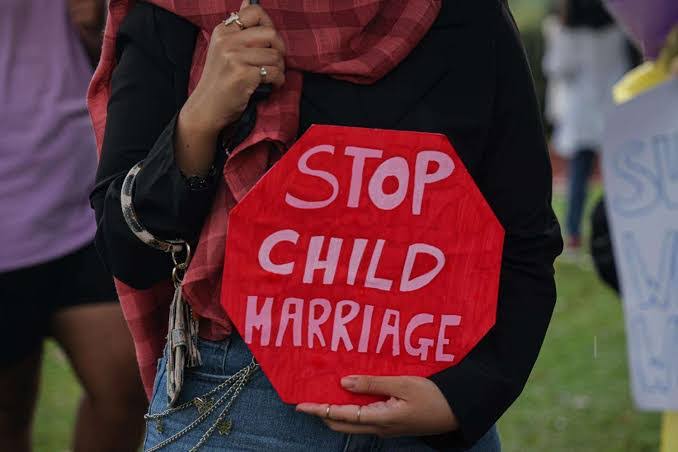
ZANZIBAR: FOR Maryam Omar, a Standard Six pupil at Bambi Primary School in Zanzibar’s Central District, learning that women have the right to leadership and that girls deserve education to the highest level was both exciting and empowering.
The lesson strengthened her determination to continue with her education, stand firm against sexual violence and resist forced marriage. She also learned that girls have the right to grow up in safety, free from child pregnancy and child marriage, which can jeopardise their education and future.
Maryam was among hundreds of pupils who benefitted from seminars on children’s rights organised by the Tanzania Media Women’s Association in Zanzibar (TAMWAZNZ), in collaboration with government institutions and other stakeholders, as part of activities marking this year’s International Day of the Girl Child.
Her experience reflects the importance of educating children about their rights and helping them recognise the dangers of abuse, discrimination and harmful practices that continue to threaten girls’ wellbeing.
Observed annually on October 11, the International Day of the Girl Child was commemorated this year under the global theme, “End Child Marriage and Invest in Girls’ Rights!” In Zanzibar, the campaign reinforced the need to make the protection and rights of girls a priority.
Yet, behind these efforts lies a worrying reality: Girls continue to face violence, exploitation and practices that threaten their education, health and future, making their protection a shared responsibility for families, communities and the government.
According to the Office of the Chief Government Statistician (OCGS), Zanzibar recorded 295 cases of genderbased violence and abuse in July and August 2026. Children accounted for 254 victims, including 211 girls, representing approximately 83 per cent of all child victims recorded during the period.
The figures highlight the vulnerability of girls and the need to strengthen preventive measures, improve reporting systems and ensure that survivors receive appropriate assistance.
For TAMWA-ZNZ, protecting girls requires more than public statements and commemorative events. It demands continuous education, effective laws, community participation and deliberate investment in girls’ rights.
Sophia Ngalapi, a programme officer at TAMWA-ZNZ, says that despite significant efforts by the government and child-rights activists to create a better environment for women and children, challenges remain and require collective action.
During this year’s campaign, the association partnered with social welfare officers from the Ministry of Community Development, Elderly, Gender and Children, the Zanzibar Council for Persons with Disabilities, the Ministry of Education and Vocational Training and district-level Gender-Based Violence (GBV) Network officers to educate pupils in primary schools.
Schools reached included Dunga, Bambi and Kinyasini, where more than 800 pupils received lessons on selfawareness, abuse, children’s rights, women’s leadership and inclusive education.
Ngalapi said the sessions also involved boys because protecting girls cannot be achieved without educating children of both sexes about their rights and responsibilities.
Although girls remain the principal focus of the campaign, boys must understand that violence, harassment and discrimination are unacceptable and that they have a role in creating respectful and safe communities.
The encouraging response from pupils demonstrated the importance of taking childprotection education directly to schools, where children can learn to recognise abuse, understand their rights and seek help when necessary.
The initiative also reflects the importance of inclusion. Every child, including children with disabilities, deserves equal protection, access to education and opportunities to participate in society without discrimination.
However, education alone cannot eliminate the risks facing girls, particularly when harmful social practices, poverty and gaps in protection systems undermine their rights.
Child marriage remains a major concern because it can interrupt education, expose girls to health complications, cause psychological harm and limit their economic independence.
Globally, approximately 12 million girls are married before reaching the age of 18 every year, while an estimated 650 million women and girls alive today were married during childhood. These figures demonstrate the scale of a problem that continues to deny millions of girls the opportunity to complete their education and make decisions about their futures.
In Zanzibar, the government has taken various measures to protect children, including efforts to address teenage pregnancies and child marriage.
Abeida Rashid, Permanent Secretary in the Ministry of Community Development, Elderly, Gender and Children, says government initiatives must be supported by parents, teachers, child-rights advocates, communities and other stakeholders to ensure that children are protected.
Her message underscores the need for parents and guardians to provide supportive homes, teachers to identify signs of abuse, and communities to reject practices that expose children to harm.
Schools, in particular, can play a vital role by creating safe learning environments, encouraging children to report abuse and referring concerns to the appropriate authorities.
International and regional frameworks provide an important foundation for these efforts. The United Nations Convention on the Rights of the Child recognises children’s rights to education, development, healthcare and protection from violence and exploitation. Similarly, the African Charter on the Rights and Welfare of the Child calls for protection against abuse and harmful social and cultural practices, including child marriage.
ALSO READ: Economic empowerment key to ending child marriage
For Zanzibar, achieving these goals also means keeping girls in school, strengthening support services, promoting equal opportunities and ensuring that children with disabilities are not left behind.
Ultimately, building a safe Zanzibar for girls cannot be the responsibility of one organisation or ministry alone. It requires sustained cooperation between government institutions, families, educators, the media, civil society and young people themselves.
The true measure of success will be whether girls can attend school without fear, grow up free from violence, exercise their rights and pursue their ambitions without being forced into marriage or denied opportunities because of their gender.
Protecting the girl child, therefore, is not simply a campaign for one day. It is a continuing commitment to securing the safety, dignity and future of an entire generation.