Power key to Africa’s digital growth

DAR ES SALAAM: RELIABLE electricity and investment-friendly policies have emerged as the key priorities for accelerating Africa’s digital transformation, speakers at a high-level dialogue during the 2026 Infra for Africa Forum have said.
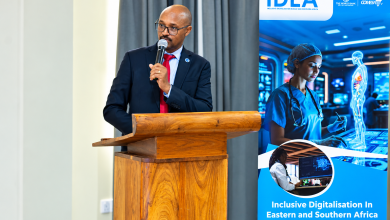
The consensus emerged during a panel discussion titled “Wiring the Future: Building Africa’s Digital Backbone” held as part of the two-day Africa50 General Shareholders’ Meeting and 2026 Infra for Africa Forum at the Julius Nyerere International Convention Centre (JNICC) in Dar es Salaam.
The panellists, comprising government leaders, technology executives, development finance institutions and private investors, agreed that while Africa has made significant progress in expanding digital infrastructure, persistent challenges including inadequate power supply, limited access to long-term financing, fragmented regulatory frameworks and digital inclusion gaps continue to constrain investment, connectivity and the growth of the continent’s digital economy.
The dialogue heard that innovative financing, regional integration and wider access to affordable smartphones and digital services are also critical to unlocking Africa’s digital potential.
Speakers stressed that reliable and affordable electricity remains the foundation of digital transformation, warning that without sufficient power generation, Africa will struggle to attract investments in data centres, artificial intelligence and cloud computing.
Vitesse Africa Chief Executive Officer and Founder, Mr Uche Orji, said African countries should leverage their natural resources, including natural gas and hydropower, to generate competitively priced electricity capable of attracting global technology companies to establish large-scale data centres on the continent.
ALSO READ: UNCDF programme powers Tanzania’s rise as a digital finance hub
He cautioned against introducing restrictive regulations too early, saying governments should first focus on creating an enabling environment that encourages investment before seeking to monetise emerging digital industries.
“African countries should leverage their natural resources, including natural gas and hydropower, to generate affordable electricity that can attract global technology companies,” he said.
Mozambique’s Minister for Communications and Digital Transformation, Mr Américo Muchanga, echoed the call, saying Africa’s digital infrastructure should increasingly be developed from a regional perspective rather than through fragmented national initiatives.
He said major investments such as hyperscale data centres require regional markets, affordable electricity, reliable broadband connectivity and harmonised policies that give neighbouring countries confidence to host and share digital infrastructure.