PM touts local development financing
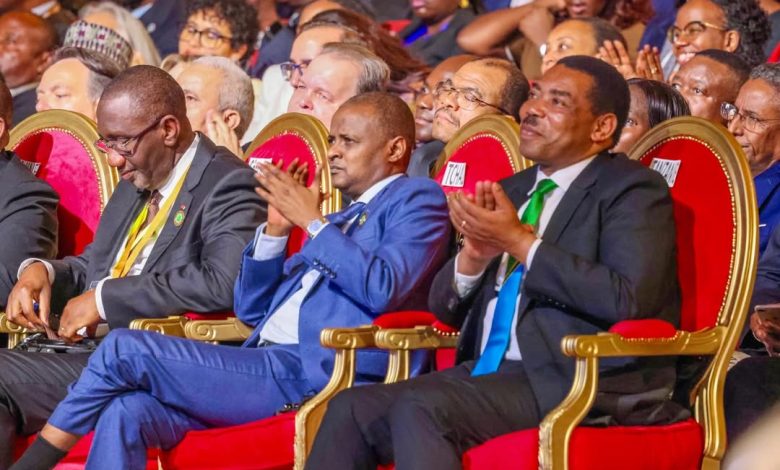
BRAZZAVILLE: PRIME Minister Dr Mwigulu Nchemba has said Tanzania is intensifying domestic revenue mobilisation and directing tax collections into projects that create jobs, empower women and stimulate economic growth as the country advances towards greater self-reliance in financing development.
Speaking during the Annual General Meeting of the African Development Bank (AfDB) Group in Brazzaville, Congo, on Tuesday, Dr Nchemba said Africa was entering a new era in which traditional concessional aid and external support were becoming increasingly uncertain, making it essential for countries to maximise the use of domestic resources.
“There is a need for African countries to strengthen self-reliance by effectively utilising internal resources to finance development projects,” Dr Nchemba said.
He noted that discussions at the AfDB meeting centred on how African countries could leverage social funds, natural resources and improved financial systems to implement sustainable development programmes without overdepending on foreign assistance.
According to the Prime Minister, Tanzania is already taking deliberate steps to ensure public resources are channelled into productive sectors capable of generating employment, stimulating economic growth and creating new sources of tax revenue.
Tax revenues collected will be directed into projects that create jobs for youth and women, projects that generate high economic returns and projects that create new sources of tax revenue to ensure sustainability in domestic revenue collection,” he said.
Dr Nchemba underscored the importance of investing in technology and governance reforms to improve efficiency in tax administration and public financial management.
He said technology could help governments increase productivity, simplify tax collection and strengthen non-tax revenue systems while enhancing implementation of development projects.
“There is a need for governments to invest in technological transformation and reforms that strengthen policy implementation, governance systems, tax administration and non-tax revenue collection,” he said.
The Prime Minister added that the AfDB had expressed readiness to continue supporting member states in implementing institutional and legal reforms aimed at improving domestic resource mobilisation and financing sustainable development.
Dr Nchemba said Tanzania had shared its experience in financing strategic development projects through domestic resources and partnerships with development institutions.
Among the projects highlighted were the Kigamboni Bridge, the University of Dodoma (UDOM), Benjamin Mkapa Hospital and various social service initiatives implemented through domestic financing mechanisms and development partnerships.
He said Tanzania was also strengthening the private sector as part of broader efforts to expand domestic revenue sources and stimulate economic activity.
The government, he added, is implementing reforms aimed at improving the country’s taxation system and widening the tax base.
As part of the reforms, a commission has been formed to review tax administration and revenue collection procedures. The measures are intended to make the system more business-friendly while increasing government revenue for development projects.
“The goal is to make revenue collection more efficient and friendly while ensuring the country generates enough resources to finance its development agenda,” Dr Nchemba said.
African leaders attending the AfDB meetings have been discussing strategies to strengthen economic resilience across the continent amid global financial uncertainties, mounting debt pressures and declining development assistance.
The discussions also focused on the need for African countries to adopt sustainable financing models driven by internal economic capacity, innovation and private sector participation.
Earlier, AfDB Group President Dr Sidi Ould Tah said African countries must increasingly shift away from dependence on external financing and focus on mobilising domestic resources to fund development projects.
He said the institution was working to build a more connected and responsive development financing system capable of addressing Africa’s emerging economic challenges.
According to Dr Tah, the Bank was placing greater emphasis on practical implementation by improving project execution capacity, simplifying operational processes and strengthening integrated financing platforms capable of generating catalytic impact across sectors and regions.
He added that the AfDB would continue deepening cooperation with African governments and development partners in ways that reflect the realities and institutional priorities of member states.
The AfDB’s AGM brought together African leaders, policymakers and development experts to discuss strategies for strengthening economic resilience, expanding domestic financing and accelerating sustainable development across the continent.