PM directs swift Bagamoyo SEZ compensation
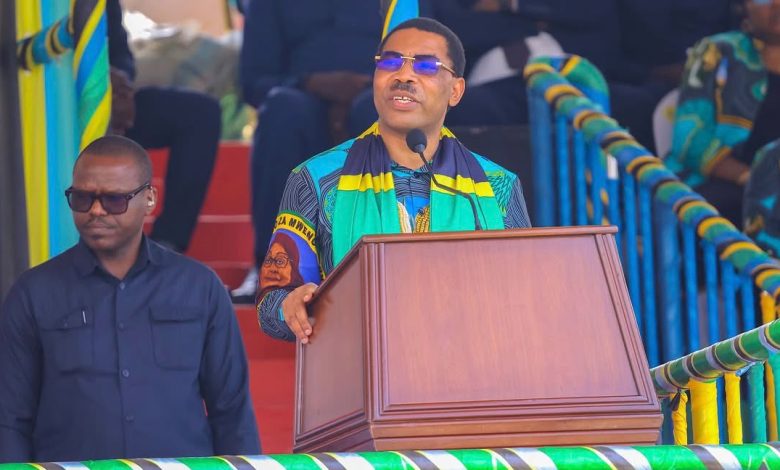
DAR ES SALAAM: PRIME Minister Dr Mwigulu Nchemba has directed authorities to expedite land valuation in the Bagamoyo Special Economic Zone (SEZ) to facilitate compensation for affected residents and ensure investment projects proceed without disputes. He issued the directive yesterday during an inspection of construction progress at the Hongwang Tanzania (HWTZ SEZ Limited) industrial park in Bagamoyo District, Coast Region.
Dr Nchemba directed the President’s Office, (Planning and Investment) and the Tanzania Investment and Special Economic Zones Authority (TISEZA) to work with the Ministry of Lands, Housing and Human Settlements Development and regional and district authorities to complete the valuation exercise. He said the government established a dedicated source of funds to compensate residents whose land was acquired for development projects.
“Carry out the valuation and ensure those surrendering their land to pave the way for investment receive their rightful compensation,” he said.
The Prime Minister stressed that, after compensation, the land should be formally titled and clearly demarcated to prevent encroachment and future ownership disputes. The Prime Minister said timely completion of land procedures would help ensure that investment plans proceeded smoothly while protecting the rights of affected residents.
The Bagamoyo Special Economic Zone is expected to attract investment, expand industrial production and create employment opportunities through the establishment of manufacturing facilities and related businesses.
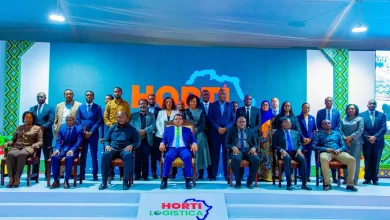
Meanwhile, on Thursday, Dr Nchemba opened the 10th Assembly of Ministers of the Maritime Organisation for Eastern, Southern and Northern Africa (MOESNA) in Dar es Salaam where he called for stronger regional cooperation in maritime transport, saying safe shipping routes, efficient transport networks and environmental protection are essential to expanding trade and accelerating Africa’s economic integration.
ALSO READ: PROJECTS IMPLEMENTATION: VP orders timely delivery
The meeting brought together regional leaders to discuss ways of improving maritime connectivity, facilitating trade and strengthening the competitiveness of African shipping. Dr Nchemba said Africa’s maritime transport sector could not prosper without safe shipping routes, adequate emergency response capacity and effective environmental protection measures.
“Africa is one and the natural and easiest way to connect the continent without being constrained by borders is to develop infrastructure that enables citizens to conduct economic activities more easily. This is a natural approach that requires fewer meetings and more action,” he said.
He warned that pollution affecting oceans and lakes could undermine the livelihoods of communities dependent on these resources, stressing the need for collective action to protect the marine environment. The Prime Minister said the assembly provided an opportunity to assess progress since the ninth meeting held in Nairobi, Kenya, in 2024 and agree on practical measures to improve the movement of goods and passengers across member states.
He commended Zambia, the outgoing chair and the organisation’s leadership for progress in implementing previous resolutions, including institutional reforms, regional transport policies, inland waterway shipping and human resource development.
Dr Nchemba said effective implementation of regional agreements on water transport would improve businesses’ access to markets, increase trade between African countries and strengthen private-sector participation. He said Africa needed to build a larger regional market, promote industrial development and increase its participation in regional and international value chains. Closer economic ties, he added, would advance the vision of African unity championed by the continent’s founding leaders, including Tanzania’s first President, Mwalimu Julius Nyerere.
The Prime Minister stressed that maritime transport could not develop in isolation from other transport systems, noting that ports needed efficient connections with roads, railways and shipping services to link production centres with markets across national borders. He said Tanzania was investing in infrastructure to connect maritime transport with landbased networks serving neighbouring countries in East, Central and Southern Africa.