PM calls for sustainable education financing
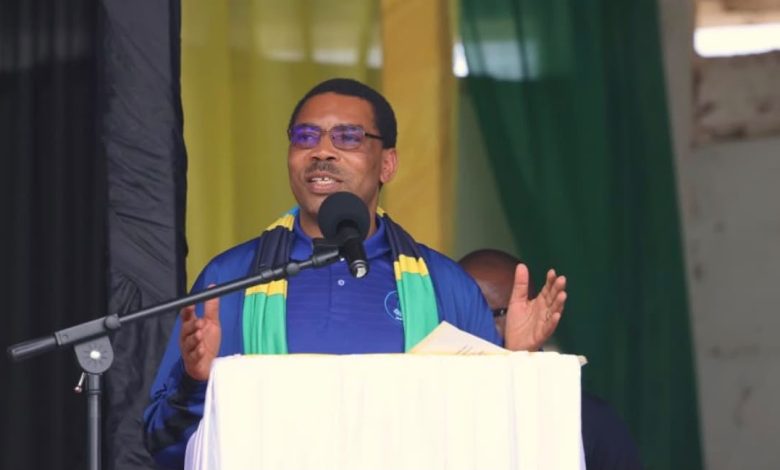
DAR ES SALAAM: PRIME Minister Dr Mwigulu Nchemba has urged education stakeholders to strengthen domestic resource mobilisation and ensure allocated funds reach schools and learners most in need.
He said education financing should be sustainable through reliable planning, timely disbursement, proper procurement, transparent spending and measurable results.
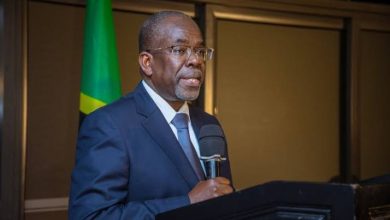
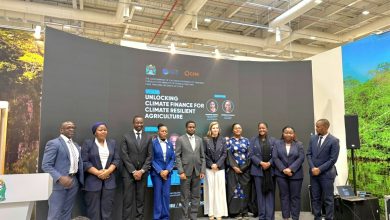
Dr Nchemba made the call yesterday when opening the Sixth International Quality Education Conference at the Julius Nyerere International Convention Centre (JNICC) in Dar es Salaam.
The conference, held under the theme “Beyond Aid: Owning Our Future through Domestic Resource Mobilisation and Sustainable SelfResilience”, promotes national ownership and sustainable education financing.
The Premier said Tanzania’s 2026/27 national budget stands at approximately 62.33tri/-, with about 74.2 per cent expected to come from domestic revenue.
The Ministry of Education, Science and Technology has been allocated approximately 2.398tri/-. Dr Nchemba said stakeholders should look beyond budget allocations and assess whether funds reach the intended schools and benefit learners who need them most.
“We must strengthen budget execution, reduce inefficiencies, improve coordination between national and local institutions and use reliable data in decision-making. Every shilling invested in education should contribute to better teaching, improved learning outcomes and fairer opportunities,” he said.
He said education financing decisions should promote equity and inclusion. “Resources mobilised should address the needs of girls, learners with special educational needs, children affected by poverty, those in underserved communities and all learners facing barriers to education.
“No child should be denied the opportunity to learn because of where they live or their personal circumstances. We must ensure that schools are safe, accessible and provide supportive environments in which every learner can participate,” he said.
He also called for partnerships with development partners to strengthen national systems, build local capacity and support sustainability through financing, expertise, research and innovation for learners across Tanzania.
ALSO READ: Dr Nchemba jets in Moscow as 3rd Russia-Africa Summit begins today
On preparations for the education system to accommodate two groups of graduates in 2028, following the 2014 Education and Training Policy, Revised Edition 2023, and curriculum reforms, Dr Nchemba said the transition requires coordinated preparations across government and among education stakeholders.
He said the reforms aim to extend compulsory education, strengthen practical skills and equip learners to secure employment or become self-employed.
“No single ministry, institution or school can manage such requirements alone. We must plan together, anticipate increased demand for teachers, classrooms, learning materials and funding, and ensure implementation is orderly and responsive to learners’ needs,” he stressed.
On his part, Minister for Education, Science and Technology Prof Adolf Mkenda said the conference was taking place at an appropriate time as the government implements education reforms guided by an established timetable. He said the reforms will strengthen practical skills and prepare learners for self-reliance.
“We now have two pathways: vocational education and general education,” he said. Explaining the changes, Prof Mkenda said compulsory education will increase from seven to 10 years, requiring every Tanzanian child to study up to Form Four.
“Parents must ensure their children attend school. Primary education will cover six years, after which learners will proceed to Form One,” he said.
He said President Dr Samia Suluhu Hassan has given all Regional Commissioners performance targets relating to preparations for the new system and called for greater focus on preparations.
“The implementation timetable is already in place, and by January 2028, we will have both Standard Six and Standard Seven graduates joining Form One. There will be no failure and no turning back on this,” he stressed.
Prof Mkenda invited stakeholders to identify ways of supporting the reforms. “We are inviting stakeholders because we still need more schools. We need religious institutions and the private sector to support us,” he said.