Over 2,000 tobacco farmers trained on clean energy
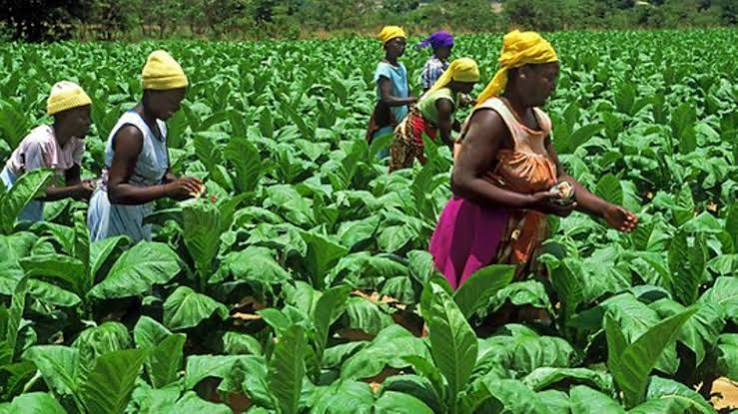
DODOMA: MORE than 2,000 tobacco farmers had received training on clean-energy methods for curing the crop by September this year, as efforts intensify to reduce charcoal and firewood use and curb deforestation.
Deputy Minister for Agriculture, Mr David Silinde, said the Ministry of Agriculture, through the Tobacco Board of Tanzania, was working with stakeholders to promote energy-efficient technologies and cleaner alternatives for tobacco curing.
He was responding to a supplementary question from Tabora Urban MP (CCM), Hawa Mwaifunga, who wanted to know whether the government was ready to collaborate with stakeholders to help farmers shift away from polluting energy sources.
Mr Silinde said the Tobacco Board was collaborating with the Nelson Mandela African Institution of Science and Technology to research and develop improved tobacco-curing technologies that consume less fuel.
“The government is ready, and we have been working with various stakeholders to support tobacco farmers. The Tobacco Board is currently collaborating with the Nelson Mandela African Institution of Science and Technology, which has developed an improved stove to help farmers use significantly less charcoal,” he said.
Responding to the basic question on when farmers in Tabora Region would be educated about clean energy for tobacco curing, Mr Silinde said the Tobacco Board continues to train farmers in good agricultural practices, pest and disease control, harvesting and cleaner curing methods.
He said the training promote improved curing stoves that use less firewood, as well as the use of small tree branches instead of logs, which often require trees to be felled.
Mr Silinde added that research into alternative energy sources was continuing, including work with the State Mining Corporation (STAMICO), which had developed coal briquettes known as Rafiki Briquettes.
ALSO READ: Alliance One settles 2026 tobacco grower payments
The Tobacco Board was also encouraging farmers to grow tobacco varieties that require less energy during curing, including Burley tobacco, which is air-cured and sun-cured varieties.
He said these varieties were gaining acceptance in Ruvuma, Tabora, Geita, Iringa and Singida regions. In another supplementary question, Lupa MP (CCM), Masache Kasaka, asked what measures were being taken to ensure tobacco-buying companies paid farmers before the start of the growing season.
Responding, Mr Silinde said the government had held discussions with the Tobacco Board management, which had instructed buyers to ensure payments were made to farmers through their cooperative societies before the season began.