Nile Basin states seek climate financing
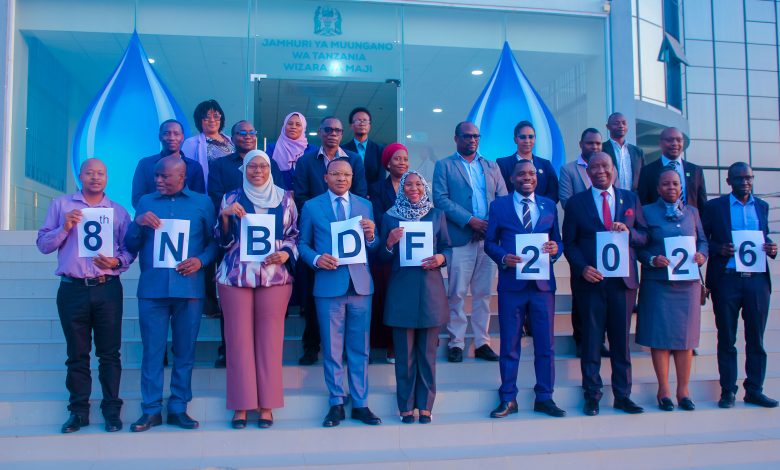
DODOMA: NILE Basin countries have called for stronger partnerships, innovative financing and coordinated action to address climate change impacts and ensure sustainable management of the River Nile’s shared water resources.
The call was made yesterday ahead of the eighth Nile Basin Development Forum (NBDF8), which will be held in Dar es Salaam from November 25 to 27.
The forum will bring together governments, development partners, researchers, academia, the private sector and civil society to identify practical solutions for the sustainable management of Africa’s longest river.
The participants and stakeholders were also invited for the activation of the NBDF8 website and online registration portal, as well as the opening of submissions for the Nile Basin Media Awards.
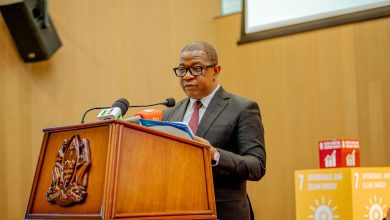
Launching the forum on behalf of the Minister for Water, Permanent Secretary in the Ministry of Water, Engineer Mwajuma Waziri said climate change, rapid population growth and rising demand for food, water and energy have made regional cooperation more important than ever.
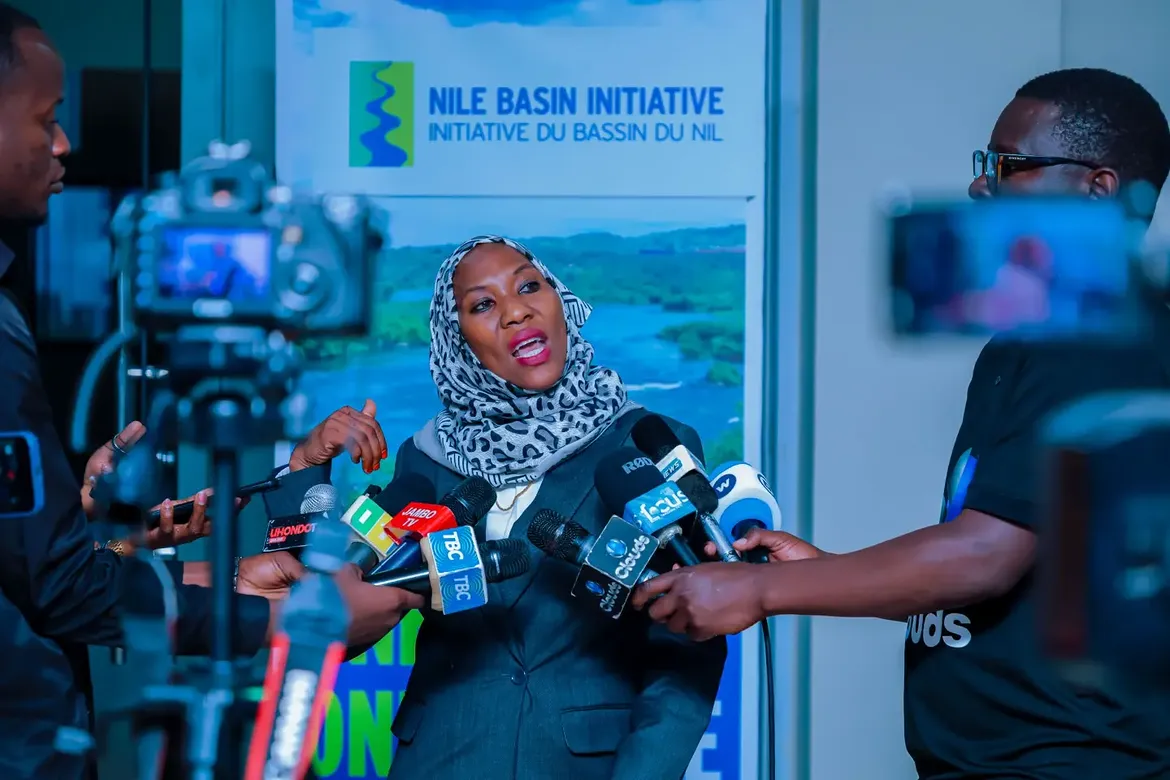
“The Nile connects our countries, economies and people. Its future depends on our ability to cooperate, mobilise investment and manage our shared water resources sustainably,” she said.
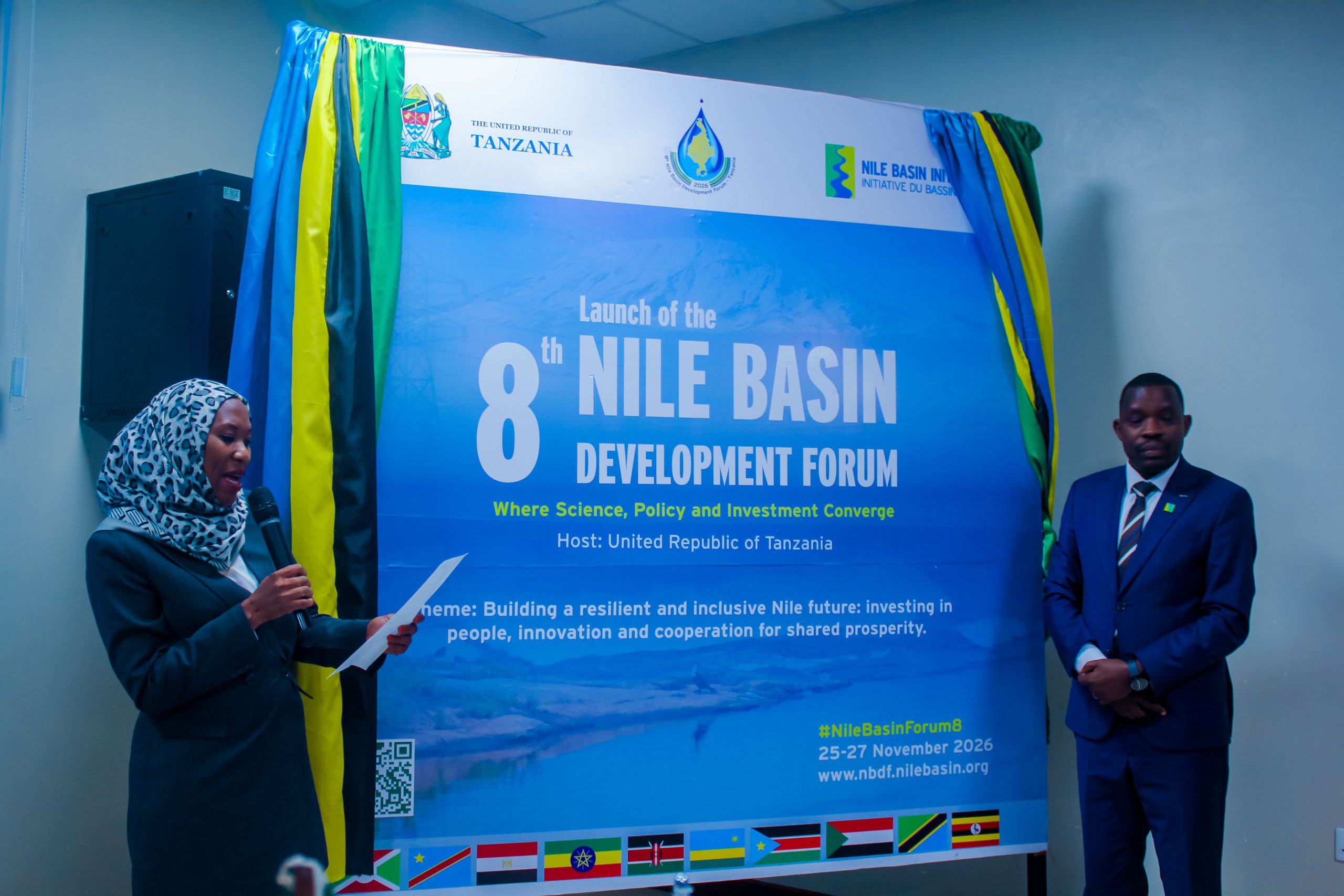
Engineer Waziri said this year’s forum will focus on innovative financing, climate resilience and sustainable infrastructure as key priorities for securing the future of the Nile Basin, which supports more than 300 million people.
She said Tanzania has benefited from Nile Basin cooperation through strengthened hydrological monitoring, groundwater assessments, water quality monitoring, and improved flood and drought forecasting systems. These initiatives, she noted, have enhanced support for irrigation development, hydropower generation and disaster preparedness.
She highlighted the 80-megawatt Rusumo Falls Hydroelectric Project, jointly implemented by Burundi, Rwanda and Tanzania through the Nile Basin Initiative (NBI), with support from the World Bank and the African Development Bank, as a successful example of regional cooperation delivering shared benefits.
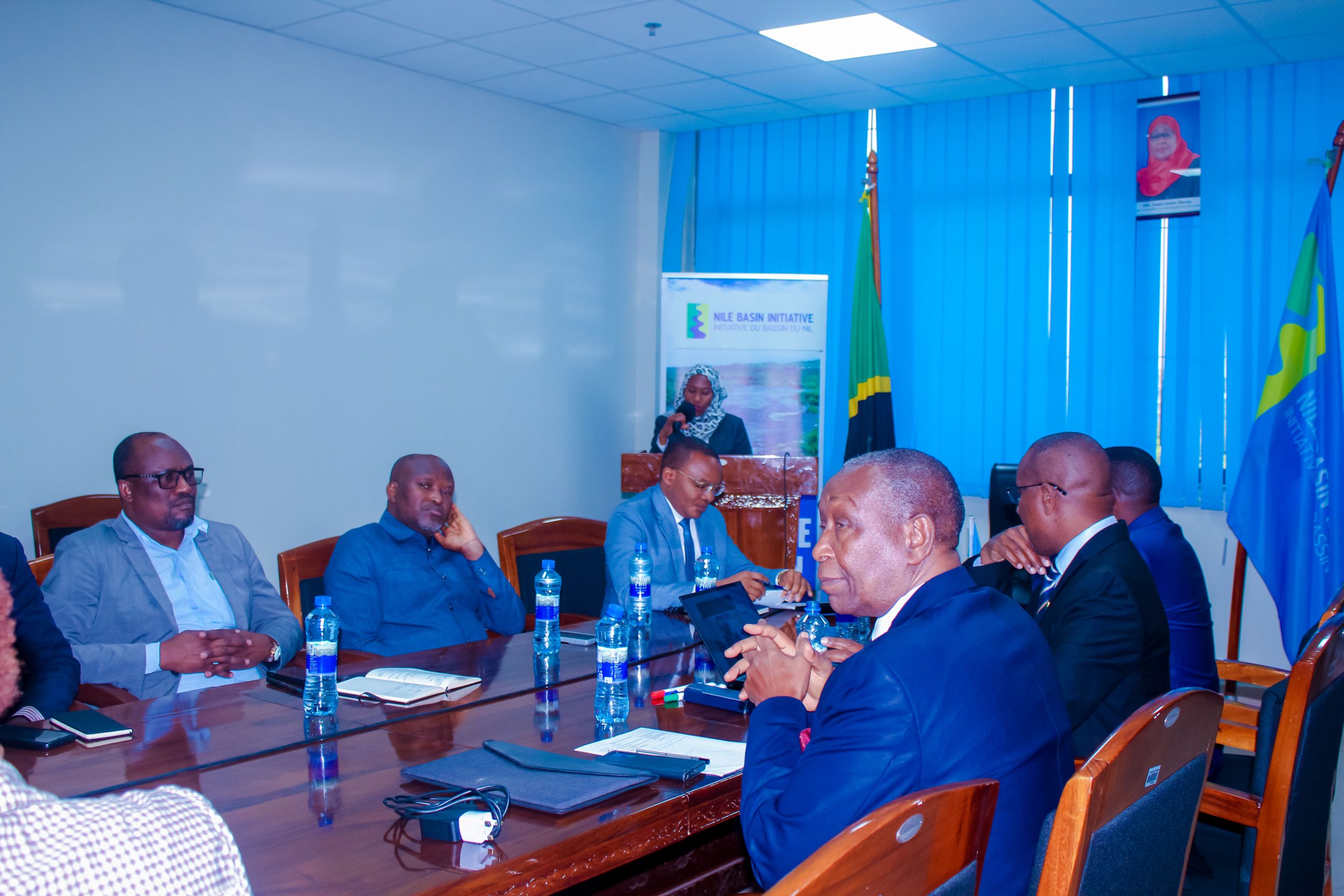
Nile Basin Initiative Executive Director, Dr Eng Nestor Niyonzima, said the basin is facing growing pressures from climate change, rapid urbanisation and increasing demand for water, food and energy.
“The future of the Nile Basin will depend on how effectively we cooperate to manage shared resources, generate knowledge, plan investments and share benefits equitably,” he said.
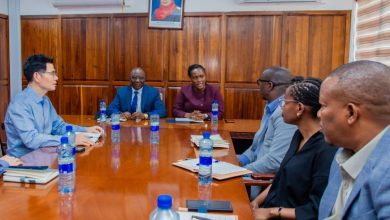
Speaking on behalf of the United Nations Development Programme (UNDP) Resident Representative, Technical Adviser Mr Kingsley Bekoe reaffirmed the agency’s commitment to supporting regional cooperation, describing the Nile as a vital resource that sustains agriculture, trade, energy production and millions of livelihoods.
Chairperson of the Nile Technical Advisory Committee, Mr Augustin Ngenzirabona, said stronger partnerships, scientific knowledge and sustained dialogue will be essential in addressing the basin’s growing challenges.
Held under the theme “Building a Resilient and Inclusive Nile Future: Investing in People, Innovation and Cooperation for Shared Prosperity,” the forum is expected to generate policy recommendations and partnerships to accelerate investment in climate-resilient infrastructure and promote sustainable management of the Nile Basin.