Ngorongoro: The cradle of nature that silence security chiefs
NGORONGORO: FEW places on earth inspire awe quite like the Ngorongoro Conservation Area with its spectacular beauty and natural magnificence that has captivated the Joint Permanent Commission on Defence and Security (JPCDS) delegation from Tanzania and Zambia with a lasting impression.
The delegation was led by Tanzania’s Minister for Home Affairs, Patrobas Katambi, together with Zambia’s Minister for Home Affairs and Internal Security, Jacob Jack Mwiimbu who had the opportunity to witness first-hand one of the world’s most remarkable natural treasures.
Their visit to the Ngorongoro Conservation Area took place while they were attending a five-day meeting in Arusha aimed at strengthening cooperation between the two countries in addressing cross-border crime and emerging security threats. Ngorongoro is among the most unique natural landscapes in the world.
The area was formed from a vast volcanic caldera created when a giant volcano erupted and collapsed approximately two to three million years ago.
Today, the site stands not only as a symbol of extraordinary natural beauty but also as a powerful testament to Tanzania’s rich natural heritage.
The conservation area is located in Ngorongoro District, about 180 kilometres west of the city of Arusha, within the Crater Highlands geological region of north-eastern Tanzania.
Descending into the crater involves dropping nearly 600 metres to reach a spectacular basin covering more than 260 square kilometres, enclosed by dramatic natural walls that protect and sustain its unique ecosystem.
While inside the crater, the delegation was captivated by sweeping grasslands, patches of woodland and several water bodies, including the wellknown alkaline Lake Magadi.
The crater floor lies about 1,800 metres (5,900 feet) above sea level and, in 2013, it was recognised by Seven Natural Wonders as one of the Seven Natural Wonders of Africa.
Ngorongoro’s uniqueness lies in the fact that it is the world’s largest intact volcanic caldera that is neither flooded nor broken.
Within this natural enclosure thrives an extraordinary concentration of wildlife that lives permanently inside the crater, making it one of Africa’s most important wildlife sanctuaries. Yet the marvel of Ngorongoro extends beyond its landscapes and wildlife.
It is one of the few protected areas in the world where humans and wildlife coexist.
The Maasai community lives legally within the conservation area, continuing their traditional pastoral lifestyle while sharing the land with wild animals. Historically, the area was officially designated in 1959 as a multiple-use conservation area that accommodates both wildlife protection and human settlement.
Later, in 1979, it was declared a United Nations Educational, Scientific and Cultural Organisation (UNESCO) World Heritage Site in recognition of its exceptional natural and historical significance.
Near the conservation area lies Olduvai Gorge, globally recognised as one of the most important archaeological sites related to the origins of humankind.
The site has yielded crucial evidence about early human history, including some of the earliest known remains of the human genus Homo, particularly Homo habilis, as well as early hominids such as Paranthropus boisei.
Olduvai Gorge is a steepsided ravine located within the Great Rift Valley that stretches across eastern Africa. It lies in the eastern Serengeti Plains of north-eastern Tanzania and extends for about 50 kilometres.
ALSO READ: Ngorongoro Conservation Area to launch heritage database
The name “Olduvai” originates from the Maasai word Oldupaai, referring to the wild sisal plant (Sansevieria ehrenbergii) that grows abundantly in the area.
Research at the site began in the 1950s under the pioneering work of archaeologists Mary and Louis Leakey and continues today through their family and other international researchers.
Their discoveries have played a crucial role in advancing scientific understanding of early human evolution. Geological evidence suggests that millions of years ago the area was once a large lake, whose shores accumulated layers of volcanic ash.
Later seismic activity diverted a nearby stream that gradually cut through these deposits, exposing the multiple layers that reveal the region’s prehistoric past.
Ngorongoro serves as not only a major tourist attraction but also a vital centre for scientific research and a priceless historical heritage for the world.
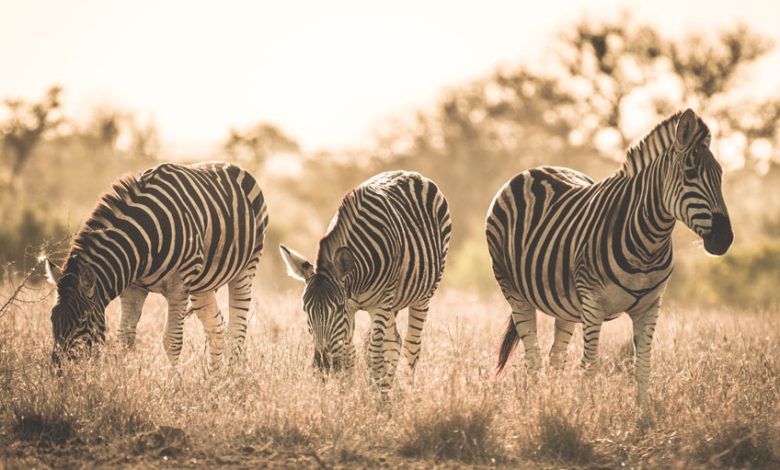
During their visit, the security and defence experts had the opportunity to observe a wide range of wildlife species within the crater, including elephants, lions, buffaloes, wildebeests, hippopotamuses, zebras, antelopes, dik-diks, warthogs, jackals, hyenas and numerous bird species.
It is estimated that approximately 25,000 large animals inhabit the crater, most of them grazing species.
Among the most notable residents is the black rhinoceros, whose population once declined dramatically but has since gradually recovered due to intensive monitoring and conservation initiatives supported by international conservation organisations and local authorities.
The remarkable concentration of wildlife within a single crater is a clear demonstration of the success of ongoing conservation efforts in the area.
The visit also inspired the delegation to further strengthen cooperation in combating cross-border crime, particularly crimes targeting natural resources and wildlife.
They emphasised that protecting the unique heritage entrusted to their nations is a shared responsibility for the benefit of present and future generations.
In doing so, they continue to honour the vision of the founding fathers of their respective nations, Julius Kambarage Nyerere of Tanzania and Kenneth Kaunda of Zambia, who championed regional solidarity, peace and the responsible stewardship of national resources for sustainable development.