
New partnership targets justice gaps in remote areas

DODOMA: THE government has acknowledged that many citizens living in remote and hard-to-reach areas remain excluded from essential justice services due to longstanding structural challenges.
Permanent Secretary in the Ministry of Constitution and Legal Affairs, Mr Eliakim Maswi cited shortage of personnel, limited infrastructure and inadequate legal aid facilities as key challenges that continue to deny vulnerable groups access to justice.
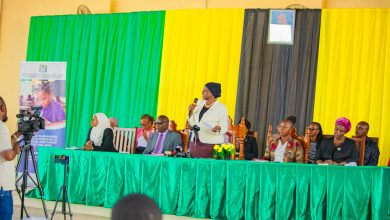
He was speaking recently in Dodoma, during the signing of a tripartite cooperation agreement between the government, the University of Dodoma (UDOM) and the Legal Services Facility (LSF).
The new partnership aims to scale up legal aid delivery under the Mama Samia Legal Aid Campaign (MSALAC), which has played a critical role in bringing justice services closer to communities across the country.
He noted that structural barriers have for years hindered equal access to justice, leaving many citizens, particularly those with legitimate claims unable to pursue or secure their rights.
ALSO READ: RC: We must fight against school absenteeism
“This agreement is a deliberate step by the government to expand access to justice, bring services closer to the people, dismantle geographical and social barriers, and ensure justice is delivered in a timely, affordable manner and in line with national standards,” he said.
Mr Maswi stressed that legal aid is not a privilege but a fundamental right guaranteed to every Tanzanian.
“Many low-income earners, women, the elderly, persons with disabilities and those in remote areas miss justice not because they lack evidence, but because they cannot afford the cost of pursuing it,” he added.
To address these systemic gaps, he said the ministry continues to design and implement longterm reforms through initiatives such as the National Legal Aid Campaign, which seeks to broaden outreach, particularly in rural and peri-urban areas. He emphasised that achieving justice for all requires collective effort.
“It cannot be achieved by government alone. It demands genuine and strategic collaboration among government institutions, universities, civil society organisations, the private sector and development partners,” he said.
Mr Maswi noted that demand for legal aid services continues to grow amid evolving social, economic and legal dynamics, with more Tanzanians seeking to understand their rights and responsibilities.
“Legal literacy is a powerful tool for preventing disputes, reducing offences, strengthening social cohesion and nurturing a law-abiding society. When people understand the law, conflicts decline and public trust in justice institutions grows,” he said.
He assured that the ministry will ensure effective implementation of the partnership, anchored on transparency, accountability and measurable results.
“Continuous monitoring, evaluation and improvement will be undertaken to ensure this collaboration delivers meaningful outcomes for citizens. This partnership represents a decisive step towards building a Tanzania where justice is accessible to all,” he said.


PART A: HOW TO CREATE DECENT WORK IN TANZANIA
Decent work means jobs that are:
✔ Productive
✔ Fairly paid
✔ Safe
✔ Secure
✔ Inclusive (youth, women, people with disabilities)
Aligned with ILO Decent Work Agenda and Tanzania Development Vision 2025.
1. Focus on High-Impact Sectors in Tanzania
1. Agriculture & Agro-processing (Top Priority)
Employs most Tanzanians but offers low income and informality.
Actions
Promote value addition (cashew, sunflower oil, rice, coffee)
Support irrigation, storage, and rural roads
Organize farmers into cooperatives
Introduce contracts and minimum standards for farm workers
Decent work outcome: Higher incomes, job security, rural dignity.
2. SMEs & Entrepreneurship
SMEs are the biggest job creators.
Actions
Simplify business registration (BRELA, online systems)
Reduce taxes for startups and small firms
Provide business training and mentoring
Encourage formalization of informal businesses
Decent work outcome: Sustainable, locally owned jobs.
3. Manufacturing & Industrial Parks
Supports Tanzania’s industrialization agenda.
Actions
Develop SEZs and industrial parks
Encourage local processing instead of exporting raw materials
Enforce labor standards and safety rules
Decent work outcome: Formal employment with stable wages.
4. Youth & Women Employment
Youth unemployment and underemployment are major challenges.
Actions
Apprenticeships and internships
Youth and women startup support
TVET and skills aligned with market needs
Access to childcare and flexible work for women
Decent work outcome: Inclusive growth and reduced inequality.
5. Green & Digital Jobs (Future Jobs)
Green jobs
Renewable energy (solar, biogas)
Waste management & recycling
Climate-smart agriculture
Digital jobs
ICT, mobile services, e-commerce
Digital skills and remote work
Decent work outcome: Sustainable and future-ready employment.
PART B: HOW TO GET FUNDING FOR DECENT WORK IN TANZANIA
Funding can come from government, banks, donors, NGOs, and private investors.
1. Government Funding & Public Programs
Sources
Ministry of Labour, Youth, Employment and Persons with Disability
Local Government Authorities (LGAs)
Youth Development Fund
Women Development Fund
Tanzania Social Action Fund (TASAF)
How to access
Register a group, cooperative, or enterprise
Submit a project proposal through your LGA
Meet eligibility (youth/women focus, job creation)
2. Development Banks & Financial Institutions
Key institutions
Tanzania Agricultural Development Bank (TADB)
Tanzania Investment Bank (TIB)
National Microfinance Bank (NMB)
CRDB Bank
SACCOS & microfinance institutions
Funding types
Low-interest loans
Credit guarantees
SME financing
Tip: A clear business plan increases approval chances.
3. Donors & International Organizations
Major funders
World Bank
African Development Bank (AfDB)
ILO
UNDP
EU
USAID
GIZ
DFID/FCDO
What they fund
Youth employment
Skills development
Women empowerment
Green jobs
Formalization of informal work
How to access
Through government programs
NGOs and CSOs
Competitive grant calls
4. NGOs, Foundations & CSOs
Examples
Restless Development
Plan International
BRAC
Mastercard Foundation
Aga Khan Foundation
Funding forms
Grants
Training + seed capital
Incubation programs
Best for: Youth and community-based projects.
5. Private Sector & Impact Investors
Sources
Impact investment funds
Public-Private Partnerships (PPPs)
Corporate Social Responsibility (CSR)
Angel investors
Best for
Scalable businesses
Green, tech, and agribusiness projects
6. What You Need to Get Funding (Very Important)
Essential documents
✔ Business plan or project proposal
✔ Clear job-creation targets
✔ Budget and timeline
✔ Registration (BRELA, NGO, CBO, or cooperative)
✔ Monitoring & evaluation plan
Strong proposals show:
How many jobs will be created
Who benefits (youth, women, rural poor)
Sustainability beyond funding
Alignment with national priorities
SIMPLE SUMMARY
To create decent work in Tanzania:
Invest in agriculture, SMEs, industry, youth, and green jobs
Improve skills, formalization, and labor rights
To get funding:
Use government programs
Approach banks and development finance
Apply for donor and NGO grants
Prepare strong, job-focused proposals
PART A: HOW TO CREATE DECENT WORK IN TANZANIA
Decent work means jobs that are:
✔ Productive
✔ Fairly paid
✔ Safe
✔ Secure
✔ Inclusive (youth, women, people with disabilities)
Aligned with ILO Decent Work Agenda and Tanzania Development Vision 2025.
1. Focus on High-Impact Sectors in Tanzania
1. Agriculture & Agro-processing (Top Priority)
Employs most Tanzanians but offers low income and informality.
Actions
Promote value addition (cashew, sunflower oil, rice, coffee)
Support irrigation, storage, and rural roads
Organize farmers into cooperatives
Introduce contracts and minimum standards for farm workers
Decent work outcome: Higher incomes, job security, rural dignity.
2. SMEs & Entrepreneurship
SMEs are the biggest job creators.
Actions
Simplify business registration (BRELA, online systems)
Reduce taxes for startups and small firms
Provide business training and mentoring
Encourage formalization of informal businesses
Decent work outcome: Sustainable, locally owned jobs.
3. Manufacturing & Industrial Parks
Supports Tanzania’s industrialization agenda.
Actions
Develop SEZs and industrial parks
Encourage local processing instead of exporting raw materials
Enforce labor standards and safety rules
Decent work outcome: Formal employment with stable wages.
4. Youth & Women Employment
Youth unemployment and underemployment are major challenges.
Actions
Apprenticeships and internships
Youth and women startup support
TVET and skills aligned with market needs
Access to childcare and flexible work for women
Decent work outcome: Inclusive growth and reduced inequality.
5. Green & Digital Jobs (Future Jobs)
Green jobs
Renewable energy (solar, biogas)
Waste management & recycling
Climate-smart agriculture
Digital jobs
ICT, mobile services, e-commerce
Digital skills and remote work
Decent work outcome: Sustainable and future-ready employment.
PART B: HOW TO GET FUNDING FOR DECENT WORK IN TANZANIA
Funding can come from government, banks, donors, NGOs, and private investors.
1. Government Funding & Public Programs
Sources
Ministry of Labour, Youth, Employment and Persons with Disability
Local Government Authorities (LGAs)
Youth Development Fund
Women Development Fund
Tanzania Social Action Fund (TASAF)
How to access
Register a group, cooperative, or enterprise
Submit a project proposal through your LGA
Meet eligibility (youth/women focus, job creation)
2. Development Banks & Financial Institutions
Key institutions
Tanzania Agricultural Development Bank (TADB)
Tanzania Investment Bank (TIB)
National Microfinance Bank (NMB)
CRDB Bank
SACCOS & microfinance institutions
Funding types
Low-interest loans
Credit guarantees
SME financing
Tip: A clear business plan increases approval chances.
3. Donors & International Organizations
Major funders
World Bank
African Development Bank (AfDB)
ILO
UNDP
EU
USAID
GIZ
DFID/FCDO
What they fund
Youth employment
Skills development
Women empowerment
Green jobs
Formalization of informal work
How to access
Through government programs
NGOs and CSOs
Competitive grant calls
4. NGOs, Foundations & CSOs
Examples
Restless Development
Plan International
BRAC
Mastercard Foundation
Aga Khan Foundation
Funding forms
Grants
Training + seed capital
Incubation programs
Best for: Youth and community-based projects.
5. Private Sector & Impact Investors
Sources
Impact investment funds
Public-Private Partnerships (PPPs)
Corporate Social Responsibility (CSR)
Angel investors
Best for
Scalable businesses
Green, tech, and agribusiness projects
6. What You Need to Get Funding (Very Important)
Essential documents
✔ Business plan or project proposal
✔ Clear job-creation targets
✔ Budget and timeline
✔ Registration (BRELA, NGO, CBO, or cooperative)
✔ Monitoring & evaluation plan
Strong proposals show:
How many jobs will be created
Who benefits (youth, women, rural poor)
Sustainability beyond funding
Alignment with national priorities
SIMPLE SUMMARY
To create decent work in Tanzania:
Invest in agriculture, SMEs, industry, youth, and green jobs
Improve skills, formalization, and labor rights
To get funding:
Use government programs
Approach banks and development finance
Apply for donor and NGO grants
Prepare strong, job-focused proposalsPART A: HOW TO CREATE DECENT WORK IN TANZANIA
Decent work means jobs that are:
✔ Productive
✔ Fairly paid
✔ Safe
✔ Secure
✔ Inclusive (youth, women, people with disabilities)
Aligned with ILO Decent Work Agenda and Tanzania Development Vision 2025.
1. Focus on High-Impact Sectors in Tanzania
1. Agriculture & Agro-processing (Top Priority)
Employs most Tanzanians but offers low income and informality.
Actions
Promote value addition (cashew, sunflower oil, rice, coffee)
Support irrigation, storage, and rural roads
Organize farmers into cooperatives
Introduce contracts and minimum standards for farm workers
Decent work outcome: Higher incomes, job security, rural dignity.
2. SMEs & Entrepreneurship
SMEs are the biggest job creators.
Actions
Simplify business registration (BRELA, online systems)
Reduce taxes for startups and small firms
Provide business training and mentoring
Encourage formalization of informal businesses
Decent work outcome: Sustainable, locally owned jobs.
3. Manufacturing & Industrial Parks
Supports Tanzania’s industrialization agenda.
Actions
Develop SEZs and industrial parks
Encourage local processing instead of exporting raw materials
Enforce labor standards and safety rules
Decent work outcome: Formal employment with stable wages.
4. Youth & Women Employment
Youth unemployment and underemployment are major challenges.
Actions
Apprenticeships and internships
Youth and women startup support
TVET and skills aligned with market needs
Access to childcare and flexible work for women
Decent work outcome: Inclusive growth and reduced inequality.
5. Green & Digital Jobs (Future Jobs)
Green jobs
Renewable energy (solar, biogas)
Waste management & recycling
Climate-smart agriculture
Digital jobs
ICT, mobile services, e-commerce
Digital skills and remote work
Decent work outcome: Sustainable and future-ready employment.
PART B: HOW TO GET FUNDING FOR DECENT WORK IN TANZANIA
Funding can come from government, banks, donors, NGOs, and private investors.
1. Government Funding & Public Programs
Sources
Ministry of Labour, Youth, Employment and Persons with Disability
Local Government Authorities (LGAs)
Youth Development Fund
Women Development Fund
Tanzania Social Action Fund (TASAF)
How to access
Register a group, cooperative, or enterprise
Submit a project proposal through your LGA
Meet eligibility (youth/women focus, job creation)
2. Development Banks & Financial Institutions
Key institutions
Tanzania Agricultural Development Bank (TADB)
Tanzania Investment Bank (TIB)
National Microfinance Bank (NMB)
CRDB Bank
SACCOS & microfinance institutions
Funding types
Low-interest loans
Credit guarantees
SME financing
Tip: A clear business plan increases approval chances.
3. Donors & International Organizations
Major funders
World Bank
African Development Bank (AfDB)
ILO
UNDP
EU
USAID
GIZ
DFID/FCDO
What they fund
Youth employment
Skills development
Women empowerment
Green jobs
Formalization of informal work
How to access
Through government programs
NGOs and CSOs
Competitive grant calls
4. NGOs, Foundations & CSOs
Examples
Restless Development
Plan International
BRAC
Mastercard Foundation
Aga Khan Foundation
Funding forms
Grants
Training + seed capital
Incubation programs
Best for: Youth and community-based projects.
5. Private Sector & Impact Investors
Sources
Impact investment funds
Public-Private Partnerships (PPPs)
Corporate Social Responsibility (CSR)
Angel investors
Best for
Scalable businesses
Green, tech, and agribusiness projects
6. What You Need to Get Funding (Very Important)
Essential documents
✔ Business plan or project proposal
✔ Clear job-creation targets
✔ Budget and timeline
✔ Registration (BRELA, NGO, CBO, or cooperative)
✔ Monitoring & evaluation plan
Strong proposals show:
How many jobs will be created
Who benefits (youth, women, rural poor)
Sustainability beyond funding
Alignment with national priorities
SIMPLE SUMMARY
To create decent work in Tanzania:
Invest in agriculture, SMEs, industry, youth, and green jobs
Improve skills, formalization, and labor rights
To get funding:
Use government programs
Approach banks and development finance
Apply for donor and NGO grants
Prepare strong, job-focused proposals
PART A: HOW TO CREATE DECENT WORK IN TANZANIA
Decent work means jobs that are:
✔ Productive
✔ Fairly paid
✔ Safe
✔ Secure
✔ Inclusive (youth, women, people with disabilities)
Aligned with ILO Decent Work Agenda and Tanzania Development Vision 2025.
1. Focus on High-Impact Sectors in Tanzania
1. Agriculture & Agro-processing (Top Priority)
Employs most Tanzanians but offers low income and informality.
Actions
Promote value addition (cashew, sunflower oil, rice, coffee)
Support irrigation, storage, and rural roads
Organize farmers into cooperatives
Introduce contracts and minimum standards for farm workers
Decent work outcome: Higher incomes, job security, rural dignity.
2. SMEs & Entrepreneurship
SMEs are the biggest job creators.
Actions
Simplify business registration (BRELA, online systems)
Reduce taxes for startups and small firms
Provide business training and mentoring
Encourage formalization of informal businesses
Decent work outcome: Sustainable, locally owned jobs.
3. Manufacturing & Industrial Parks
Supports Tanzania’s industrialization agenda.
Actions
Develop SEZs and industrial parks
Encourage local processing instead of exporting raw materials
Enforce labor standards and safety rules
Decent work outcome: Formal employment with stable wages.
4. Youth & Women Employment
Youth unemployment and underemployment are major challenges.
Actions
Apprenticeships and internships
Youth and women startup support
TVET and skills aligned with market needs
Access to childcare and flexible work for women
Decent work outcome: Inclusive growth and reduced inequality.
5. Green & Digital Jobs (Future Jobs)
Green jobs
Renewable energy (solar, biogas)
Waste management & recycling
Climate-smart agriculture
Digital jobs
ICT, mobile services, e-commerce
Digital skills and remote work
Decent work outcome: Sustainable and future-ready employment.
PART B: HOW TO GET FUNDING FOR DECENT WORK IN TANZANIA
Funding can come from government, banks, donors, NGOs, and private investors.
1. Government Funding & Public Programs
Sources
Ministry of Labour, Youth, Employment and Persons with Disability
Local Government Authorities (LGAs)
Youth Development Fund
Women Development Fund
Tanzania Social Action Fund (TASAF)
How to access
Register a group, cooperative, or enterprise
Submit a project proposal through your LGA
Meet eligibility (youth/women focus, job creation)
2. Development Banks & Financial Institutions
Key institutions
Tanzania Agricultural Development Bank (TADB)
Tanzania Investment Bank (TIB)
National Microfinance Bank (NMB)
CRDB Bank
SACCOS & microfinance institutions
Funding types
Low-interest loans
Credit guarantees
SME financing
Tip: A clear business plan increases approval chances.
3. Donors & International Organizations
Major funders
World Bank
African Development Bank (AfDB)
ILO
UNDP
EU
USAID
GIZ
DFID/FCDO
What they fund
Youth employment
Skills development
Women empowerment
Green jobs
Formalization of informal work
How to access
Through government programs
NGOs and CSOs
Competitive grant calls
4. NGOs, Foundations & CSOs
Examples
Restless Development
Plan International
BRAC
Mastercard Foundation
Aga Khan Foundation
Funding forms
Grants
Training + seed capital
Incubation programs
Best for: Youth and community-based projects.
5. Private Sector & Impact Investors
Sources
Impact investment funds
Public-Private Partnerships (PPPs)
Corporate Social Responsibility (CSR)
Angel investors
Best for
Scalable businesses
Green, tech, and agribusiness projects
6. What You Need to Get Funding (Very Important)
Essential documents
✔ Business plan or project proposal
✔ Clear job-creation targets
✔ Budget and timeline
✔ Registration (BRELA, NGO, CBO, or cooperative)
✔ Monitoring & evaluation plan
Strong proposals show:
How many jobs will be created
Who benefits (youth, women, rural poor)
Sustainability beyond funding
Alignment with national priorities
SIMPLE SUMMARY
To create decent work in Tanzania:
Invest in agriculture, SMEs, industry, youth, and green jobs
Improve skills, formalization, and labor rights
To get funding:
Use government programs
Approach banks and development finance
Apply for donor and NGO grants
Prepare strong, job-focused proposals
PART A: HOW TO CREATE DECENT WORK IN TANZANIA
Decent work means jobs that are:
✔ Productive
✔ Fairly paid
✔ Safe
✔ Secure
✔ Inclusive (youth, women, people with disabilities)
Aligned with ILO Decent Work Agenda and Tanzania Development Vision 2025.
1. Focus on High-Impact Sectors in Tanzania
1. Agriculture & Agro-processing (Top Priority)
Employs most Tanzanians but offers low income and informality.
Actions
Promote value addition (cashew, sunflower oil, rice, coffee)
Support irrigation, storage, and rural roads
Organize farmers into cooperatives
Introduce contracts and minimum standards for farm workers
Decent work outcome: Higher incomes, job security, rural dignity.
2. SMEs & Entrepreneurship
SMEs are the biggest job creators.
Actions
Simplify business registration (BRELA, online systems)
Reduce taxes for startups and small firms
Provide business training and mentoring
Encourage formalization of informal businesses
Decent work outcome: Sustainable, locally owned jobs.
3. Manufacturing & Industrial Parks
Supports Tanzania’s industrialization agenda.
Actions
Develop SEZs and industrial parks
Encourage local processing instead of exporting raw materials
Enforce labor standards and safety rules
Decent work outcome: Formal employment with stable wages.
4. Youth & Women Employment
Youth unemployment and underemployment are major challenges.
Actions
Apprenticeships and internships
Youth and women startup support
TVET and skills aligned with market needs
Access to childcare and flexible work for women
Decent work outcome: Inclusive growth and reduced inequality.
5. Green & Digital Jobs (Future Jobs)
Green jobs
Renewable energy (solar, biogas)
Waste management & recycling
Climate-smart agriculture
Digital jobs
ICT, mobile services, e-commerce
Digital skills and remote work
Decent work outcome: Sustainable and future-ready employment.
PART B: HOW TO GET FUNDING FOR DECENT WORK IN TANZANIA
Funding can come from government, banks, donors, NGOs, and private investors.
1. Government Funding & Public Programs
Sources
Ministry of Labour, Youth, Employment and Persons with Disability
Local Government Authorities (LGAs)
Youth Development Fund
Women Development Fund
Tanzania Social Action Fund (TASAF)
How to access
Register a group, cooperative, or enterprise
Submit a project proposal through your LGA
Meet eligibility (youth/women focus, job creation)
2. Development Banks & Financial Institutions
Key institutions
Tanzania Agricultural Development Bank (TADB)
Tanzania Investment Bank (TIB)
National Microfinance Bank (NMB)
CRDB Bank
SACCOS & microfinance institutions
Funding types
Low-interest loans
Credit guarantees
SME financing
Tip: A clear business plan increases approval chances.
3. Donors & International Organizations
Major funders
World Bank
African Development Bank (AfDB)
ILO
UNDP
EU
USAID
GIZ
DFID/FCDO
What they fund
Youth employment
Skills development
Women empowerment
Green jobs
Formalization of informal work
How to access
Through government programs
NGOs and CSOs
Competitive grant calls
4. NGOs, Foundations & CSOs
Examples
Restless Development
Plan International
BRAC
Mastercard Foundation
Aga Khan Foundation
Funding forms
Grants
Training + seed capital
Incubation programs
Best for: Youth and community-based projects.
5. Private Sector & Impact Investors
Sources
Impact investment funds
Public-Private Partnerships (PPPs)
Corporate Social Responsibility (CSR)
Angel investors
Best for
Scalable businesses
Green, tech, and agribusiness projects
6. What You Need to Get Funding (Very Important)
Essential documents
✔ Business plan or project proposal
✔ Clear job-creation targets
✔ Budget and timeline
✔ Registration (BRELA, NGO, CBO, or cooperative)
✔ Monitoring & evaluation plan
Strong proposals show:
How many jobs will be created
Who benefits (youth, women, rural poor)
Sustainability beyond funding
Alignment with national priorities
SIMPLE SUMMARY
To create decent work in Tanzania:
Invest in agriculture, SMEs, industry, youth, and green jobs
Improve skills, formalization, and labor rights
To get funding:
Use government programs
Approach banks and development finance
Apply for donor and NGO grants
Prepare strong, job-focused proposals
PART A: HOW TO CREATE DECENT WORK IN TANZANIA
Decent work means jobs that are:
✔ Productive
✔ Fairly paid
✔ Safe
✔ Secure
✔ Inclusive (youth, women, people with disabilities)
Aligned with ILO Decent Work Agenda and Tanzania Development Vision 2025.
1. Focus on High-Impact Sectors in Tanzania
1. Agriculture & Agro-processing (Top Priority)
Employs most Tanzanians but offers low income and informality.
Actions
Promote value addition (cashew, sunflower oil, rice, coffee)
Support irrigation, storage, and rural roads
Organize farmers into cooperatives
Introduce contracts and minimum standards for farm workers
Decent work outcome: Higher incomes, job security, rural dignity.
2. SMEs & Entrepreneurship
SMEs are the biggest job creators.
Actions
Simplify business registration (BRELA, online systems)
Reduce taxes for startups and small firms
Provide business training and mentoring
Encourage formalization of informal businesses
Decent work outcome: Sustainable, locally owned jobs.
3. Manufacturing & Industrial Parks
Supports Tanzania’s industrialization agenda.
Actions
Develop SEZs and industrial parks
Encourage local processing instead of exporting raw materials
Enforce labor standards and safety rules
Decent work outcome: Formal employment with stable wages.
4. Youth & Women Employment
Youth unemployment and underemployment are major challenges.
Actions
Apprenticeships and internships
Youth and women startup support
TVET and skills aligned with market needs
Access to childcare and flexible work for women
Decent work outcome: Inclusive growth and reduced inequality.
5. Green & Digital Jobs (Future Jobs)
Green jobs
Renewable energy (solar, biogas)
Waste management & recycling
Climate-smart agriculture
Digital jobs
ICT, mobile services, e-commerce
Digital skills and remote work
Decent work outcome: Sustainable and future-ready employment.
PART B: HOW TO GET FUNDING FOR DECENT WORK IN TANZANIA
Funding can come from government, banks, donors, NGOs, and private investors.
1. Government Funding & Public Programs
Sources
Ministry of Labour, Youth, Employment and Persons with Disability
Local Government Authorities (LGAs)
Youth Development Fund
Women Development Fund
Tanzania Social Action Fund (TASAF)
How to access
Register a group, cooperative, or enterprise
Submit a project proposal through your LGA
Meet eligibility (youth/women focus, job creation)
2. Development Banks & Financial Institutions
Key institutions
Tanzania Agricultural Development Bank (TADB)
Tanzania Investment Bank (TIB)
National Microfinance Bank (NMB)
CRDB Bank
SACCOS & microfinance institutions
Funding types
Low-interest loans
Credit guarantees
SME financing
Tip: A clear business plan increases approval chances.
3. Donors & International Organizations
Major funders
World Bank
African Development Bank (AfDB)
ILO
UNDP
EU
USAID
GIZ
DFID/FCDO
What they fund
Youth employment
Skills development
Women empowerment
Green jobs
Formalization of informal work
How to access
Through government programs
NGOs and CSOs
Competitive grant calls
4. NGOs, Foundations & CSOs
Examples
Restless Development
Plan International
BRAC
Mastercard Foundation
Aga Khan Foundation
Funding forms
Grants
Training + seed capital
Incubation programs
Best for: Youth and community-based projects.
5. Private Sector & Impact Investors
Sources
Impact investment funds
Public-Private Partnerships (PPPs)
Corporate Social Responsibility (CSR)
Angel investors
Best for
Scalable businesses
Green, tech, and agribusiness projects
6. What You Need to Get Funding (Very Important)
Essential documents
✔ Business plan or project proposal
✔ Clear job-creation targets
✔ Budget and timeline
✔ Registration (BRELA, NGO, CBO, or cooperative)
✔ Monitoring & evaluation plan
Strong proposals show:
How many jobs will be created
Who benefits (youth, women, rural poor)
Sustainability beyond funding
Alignment with national priorities
SIMPLE SUMMARY
To create decent work in Tanzania:
Invest in agriculture, SMEs, industry, youth, and green jobs
Improve skills, formalization, and labor rights
To get funding:
Use government programs
Approach banks and development finance
Apply for donor and NGO grants
Prepare strong, job-focused proposalsPART A: HOW TO CREATE DECENT WORK IN TANZANIA
Decent work means jobs that are:
✔ Productive
✔ Fairly paid
✔ Safe
✔ Secure
✔ Inclusive (youth, women, people with disabilities)
Aligned with ILO Decent Work Agenda and Tanzania Development Vision 2025.
1. Focus on High-Impact Sectors in Tanzania
1. Agriculture & Agro-processing (Top Priority)
Employs most Tanzanians but offers low income and informality.
Actions
Promote value addition (cashew, sunflower oil, rice, coffee)
Support irrigation, storage, and rural roads
Organize farmers into cooperatives
Introduce contracts and minimum standards for farm workers
Decent work outcome: Higher incomes, job security, rural dignity.
2. SMEs & Entrepreneurship
SMEs are the biggest job creators.
Actions
Simplify business registration (BRELA, online systems)
Reduce taxes for startups and small firms
Provide business training and mentoring
Encourage formalization of informal businesses
Decent work outcome: Sustainable, locally owned jobs.
3. Manufacturing & Industrial Parks
Supports Tanzania’s industrialization agenda.
Actions
Develop SEZs and industrial parks
Encourage local processing instead of exporting raw materials
Enforce labor standards and safety rules
Decent work outcome: Formal employment with stable wages.
4. Youth & Women Employment
Youth unemployment and underemployment are major challenges.
Actions
Apprenticeships and internships
Youth and women startup support
TVET and skills aligned with market needs
Access to childcare and flexible work for women
Decent work outcome: Inclusive growth and reduced inequality.
5. Green & Digital Jobs (Future Jobs)
Green jobs
Renewable energy (solar, biogas)
Waste management & recycling
Climate-smart agriculture
Digital jobs
ICT, mobile services, e-commerce
Digital skills and remote work
Decent work outcome: Sustainable and future-ready employment.
PART B: HOW TO GET FUNDING FOR DECENT WORK IN TANZANIA
Funding can come from government, banks, donors, NGOs, and private investors.
1. Government Funding & Public Programs
Sources
Ministry of Labour, Youth, Employment and Persons with Disability
Local Government Authorities (LGAs)
Youth Development Fund
Women Development Fund
Tanzania Social Action Fund (TASAF)
How to access
Register a group, cooperative, or enterprise
Submit a project proposal through your LGA
Meet eligibility (youth/women focus, job creation)
2. Development Banks & Financial Institutions
Key institutions
Tanzania Agricultural Development Bank (TADB)
Tanzania Investment Bank (TIB)
National Microfinance Bank (NMB)
CRDB Bank
SACCOS & microfinance institutions
Funding types
Low-interest loans
Credit guarantees
SME financing
Tip: A clear business plan increases approval chances.
3. Donors & International Organizations
Major funders
World Bank
African Development Bank (AfDB)
ILO
UNDP
EU
USAID
GIZ
DFID/FCDO
What they fund
Youth employment
Skills development
Women empowerment
Green jobs
Formalization of informal work
How to access
Through government programs
NGOs and CSOs
Competitive grant calls
4. NGOs, Foundations & CSOs
Examples
Restless Development
Plan International
BRAC
Mastercard Foundation
Aga Khan Foundation
Funding forms
Grants
Training + seed capital
Incubation programs
Best for: Youth and community-based projects.
5. Private Sector & Impact Investors
Sources
Impact investment funds
Public-Private Partnerships (PPPs)
Corporate Social Responsibility (CSR)
Angel investors
Best for
Scalable businesses
Green, tech, and agribusiness projects
6. What You Need to Get Funding (Very Important)
Essential documents
✔ Business plan or project proposal
✔ Clear job-creation targets
✔ Budget and timeline
✔ Registration (BRELA, NGO, CBO, or cooperative)
✔ Monitoring & evaluation plan
Strong proposals show:
How many jobs will be created
Who benefits (youth, women, rural poor)
Sustainability beyond funding
Alignment with national priorities
SIMPLE SUMMARY
To create decent work in Tanzania:
Invest in agriculture, SMEs, industry, youth, and green jobs
Improve skills, formalization, and labor rights
To get funding:
Use government programs
Approach banks and development finance
Apply for donor and NGO grants
Prepare strong, job-focused proposals
PART A: HOW TO CREATE DECENT WORK IN TANZANIA
Decent work means jobs that are:
✔ Productive
✔ Fairly paid
✔ Safe
✔ Secure
✔ Inclusive (youth, women, people with disabilities)
Aligned with ILO Decent Work Agenda and Tanzania Development Vision 2025.
1. Focus on High-Impact Sectors in Tanzania
1. Agriculture & Agro-processing (Top Priority)
Employs most Tanzanians but offers low income and informality.
Actions
Promote value addition (cashew, sunflower oil, rice, coffee)
Support irrigation, storage, and rural roads
Organize farmers into cooperatives
Introduce contracts and minimum standards for farm workers
Decent work outcome: Higher incomes, job security, rural dignity.
2. SMEs & Entrepreneurship
SMEs are the biggest job creators.
Actions
Simplify business registration (BRELA, online systems)
Reduce taxes for startups and small firms
Provide business training and mentoring
Encourage formalization of informal businesses
Decent work outcome: Sustainable, locally owned jobs.
3. Manufacturing & Industrial Parks
Supports Tanzania’s industrialization agenda.
Actions
Develop SEZs and industrial parks
Encourage local processing instead of exporting raw materials
Enforce labor standards and safety rules
Decent work outcome: Formal employment with stable wages.
4. Youth & Women Employment
Youth unemployment and underemployment are major challenges.
Actions
Apprenticeships and internships
Youth and women startup support
TVET and skills aligned with market needs
Access to childcare and flexible work for women
Decent work outcome: Inclusive growth and reduced inequality.
5. Green & Digital Jobs (Future Jobs)
Green jobs
Renewable energy (solar, biogas)
Waste management & recycling
Climate-smart agriculture
Digital jobs
ICT, mobile services, e-commerce
Digital skills and remote work
Decent work outcome: Sustainable and future-ready employment.
PART B: HOW TO GET FUNDING FOR DECENT WORK IN TANZANIA
Funding can come from government, banks, donors, NGOs, and private investors.
1. Government Funding & Public Programs
Sources
Ministry of Labour, Youth, Employment and Persons with Disability
Local Government Authorities (LGAs)
Youth Development Fund
Women Development Fund
Tanzania Social Action Fund (TASAF)
How to access
Register a group, cooperative, or enterprise
Submit a project proposal through your LGA
Meet eligibility (youth/women focus, job creation)
2. Development Banks & Financial Institutions
Key institutions
Tanzania Agricultural Development Bank (TADB)
Tanzania Investment Bank (TIB)
National Microfinance Bank (NMB)
CRDB Bank
SACCOS & microfinance institutions
Funding types
Low-interest loans
Credit guarantees
SME financing
Tip: A clear business plan increases approval chances.
3. Donors & International Organizations
Major funders
World Bank
African Development Bank (AfDB)
ILO
UNDP
EU
USAID
GIZ
DFID/FCDO
What they fund
Youth employment
Skills development
Women empowerment
Green jobs
Formalization of informal work
How to access
Through government programs
NGOs and CSOs
Competitive grant calls
4. NGOs, Foundations & CSOs
Examples
Restless Development
Plan International
BRAC
Mastercard Foundation
Aga Khan Foundation
Funding forms
Grants
Training + seed capital
Incubation programs
Best for: Youth and community-based projects.
5. Private Sector & Impact Investors
Sources
Impact investment funds
Public-Private Partnerships (PPPs)
Corporate Social Responsibility (CSR)
Angel investors
Best for
Scalable businesses
Green, tech, and agribusiness projects
6. What You Need to Get Funding (Very Important)
Essential documents
✔ Business plan or project proposal
✔ Clear job-creation targets
✔ Budget and timeline
✔ Registration (BRELA, NGO, CBO, or cooperative)
✔ Monitoring & evaluation plan
Strong proposals show:
How many jobs will be created
Who benefits (youth, women, rural poor)
Sustainability beyond funding
Alignment with national priorities
SIMPLE SUMMARY
To create decent work in Tanzania:
Invest in agriculture, SMEs, industry, youth, and green jobs
Improve skills, formalization, and labor rights
To get funding:
Use government programs
Approach banks and development finance
Apply for donor and NGO grants
Prepare strong, job-focused proposals