New dawn for healthcare to Tabora’s remote communities
TABORA: A transformative chapter in Tabora’s healthcare landscape is unfolding with the launch of the Jamii Salama – Healthier Communities Project (JSP). This groundbreaking initiative, a collaborative effort between the Jakaya Mrisho Kikwete Foundation (JMKF) and SC Johnson (SCJ), aims to tackle malaria and improve maternal healthcare in the region. With a sharp focus on Sikonge and Uyui districts, the project brings mobile outreach services directly to the people, delivering essential prenatal care and malaria prevention where it’s needed most.
The JSP is designed to bridge critical healthcare gaps and improve pregnancy outcomes for expectant mothers in these underserved areas. The programme is expected to benefit approximately 800 pregnant women and 2,000 children in primary schools, providing vital services that will save lives and empower communities.
At the heart of the project are mobile malaria clinics, equipped with portable diagnostic tools, ultrasound devices and essential medical supplies. These mobile units, staffed with trained healthcare workers and community health volunteers, are designed to reach remote, rural communities where access to healthcare is otherwise limited. Additionally, the project will see the construction of two new dispensaries in the Uyui and Sikonge district councils, aimed at strengthening local healthcare infrastructure and offering longterm support to the region.
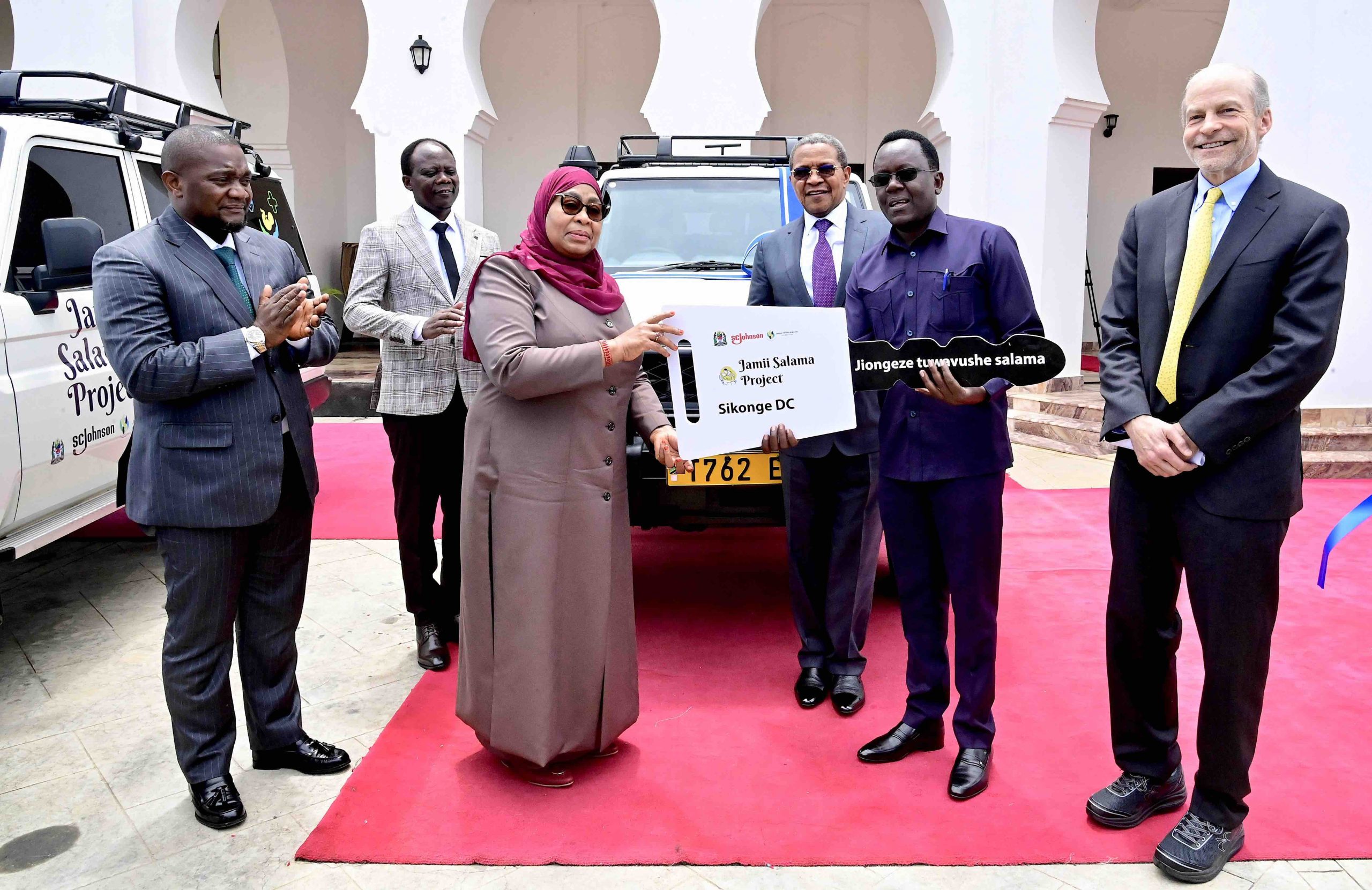
The official launch of the JSP took place on Saturday, February 1, 2025, at the State House in Chamwino, Dodoma. The event was graced by Her Excellency Dr Samia Suluhu Hassan, President of the United Republic of Tanzania, who is a strong advocate for healthcare reforms. Her presence underscored the project’s significance to the country’s broader health policy
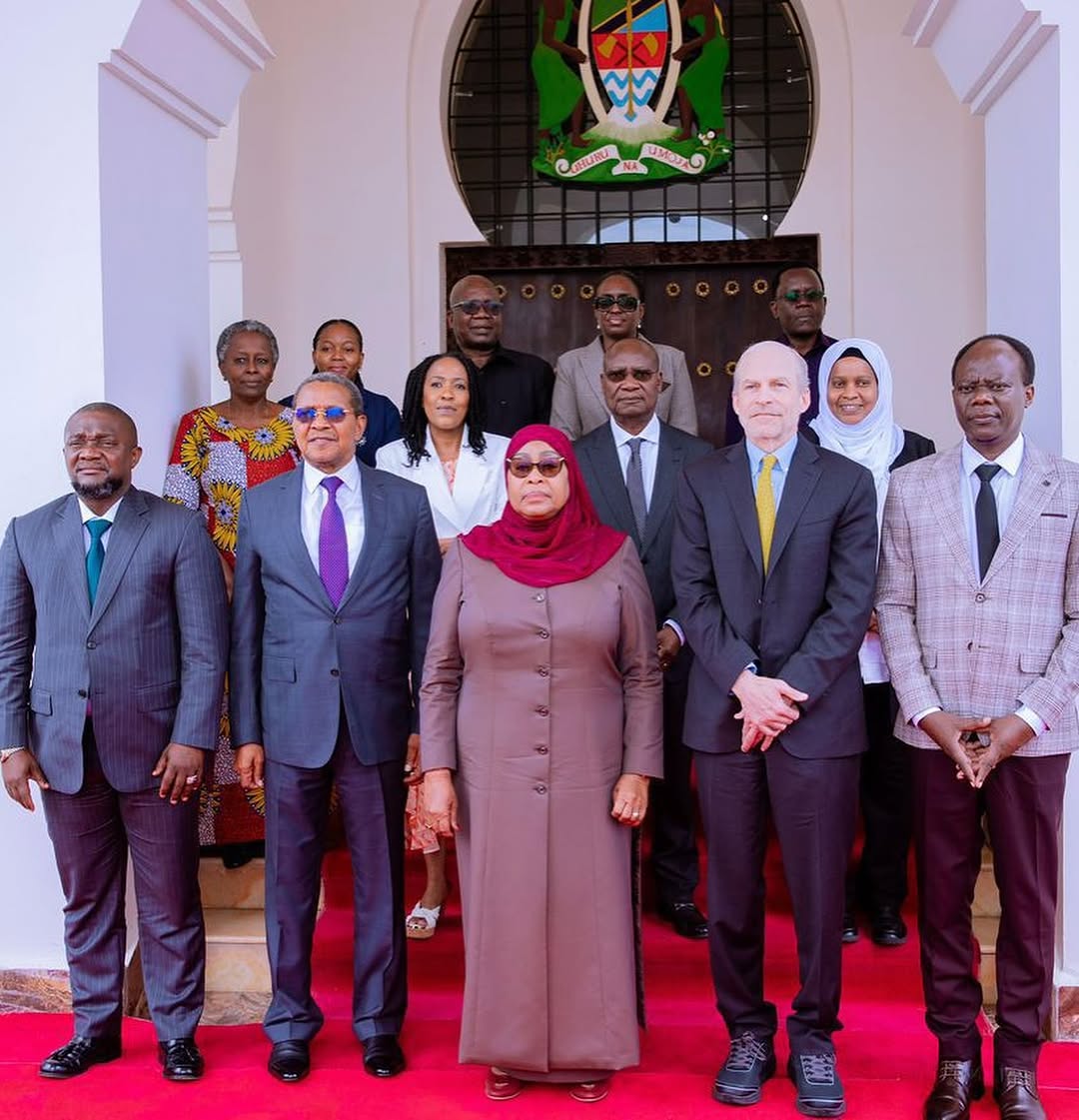
Former President Dr Jakaya Mrisho Kikwete, the settlor and chairman of JMKF, also attended, reaffirming his ongoing commitment to improving maternal health through initiatives like JSP Dr Fisk Johnson III, Chairman and CEO of SC Johnson & Sons, and a dedicated advocate for malaria eradication, was also present, highlighting his company’s role in the success of the project.
Key government figures, including Hon Mohamed Mchengerwa, Minister of State in the President’s Office (PORALG) and Dr Godwin Mollel, Deputy Minister for Health, were in attendance. The Tabora region, represented by Hon Paul Matiko Chacha, Tabora’s Regional Commissioner, was particularly highlighted as one of the key beneficiaries of the initiative.
Tabora was specifically chosen for this transformative project due to its significant healthcare challenges. Malaria prevalence in the region is alarmingly high, with 23 per cent of children aged 6 to 59 months suffering from the disease. Malaria remains a leading cause of illness and death, particularly among pregnant women and children. The region also faces critical gaps in maternal healthcare, with just 37 per cent of pregnant women in Sikonge and 49 per cent in Uyui accessing Intermittent Preventive Treatment for Malaria in Pregnancy (IPT 3), a vital component of malaria prevention.
According to the 2022 Tanzania Demographic and Health Survey (TDHS), only 47 per cent of pregnant women in the region attend Antenatal Care (ANC) before the 12th week of pregnancy and many do not complete the full course of four ANC visits. These alarming statistics underscore the urgent need for intervention.
The Jamii Salama Project aims to address these gaps by increasing the uptake of IPT 3 and promoting early attendance at antenatal clinics. It will provide essential healthcare services directly to pregnant women in hard-to-reach areas, including malaria testing, treatment and education on prenatal health. Screening for other health issues such as syphilis and HIV, as well as oral health education, will also be integrated into the services.
The project is designed to identify high-risk pregnancies early and ensure timely referrals to specialised care when necessary. In the first week alone, healthcare workers were able to screen 87 pregnant women, two of whom were referred for advanced care due to high-risk conditions. This is just the beginning of what is expected to be a game-changing initiative for maternal health in Tabora.
One of the key innovations of the project is the introduction of SC Johnson’s Guardian spatial repellent. This innovative mosquito deterrent technology is designed to reduce malaria transmission by preventing mosquitoes from entering homes. With malaria transmission being a significant threat in the region, the inclusion of the Guardian repellent is expected to have a significant impact on the health outcomes of the community.
Dr Fisk Johnson III spoke about the role of innovation in tackling malaria:
“It was my honour to meet with Her Excellency President Suluhu and His Excellency Former President Kikwete of Tanzania. We recently launched mobile health clinics in remote parts of the country to provide access to basic healthcare. In addition, we are excited to introduce Guardian, our innovative spatial repellent, which will help prevent malaria transmission and ultimately save lives,” he said.
The success of the Jamii Salama Project is underpinned by strong collaboration between key stakeholders, including the government of Tanzania, JMKF, SCJ and local healthcare teams. The Tanzanian government has played a critical role in ensuring that the project is well-integrated into the country’s existing healthcare framework. Regional and district medical offices have worked closely with the project to train 25 healthcare workers and 42 community health workers who will support the mobile clinics and antenatal care services.
ALSO READ: Kikwete: Focus on eliminating malaria
Furthermore, the project’s focus on building healthcare infrastructure in the region is crucial to its long-term sustainability. Two new dispensaries will be constructed in high-burden malaria villages, where they are expected to serve approximately 36,000 people. These dispensaries will provide comprehensive healthcare services, including outpatient care, reproductive and child health clinics, sanitation facilities and incinerators for medical waste. The dispensaries will also include housing for medical staff, ensuring that the healthcare services can be delivered round the clock.

Through these combined efforts, the Jamii Salama Project aims to improve the quality of life for communities in Tabora, providing access to essential healthcare services and creating a foundation for a healthier future. The project is a shining example of what can be achieved when governments, NGOs and the private sector come together to tackle public health challenges.
The vision behind JSP is clear: By improving healthcare access in underserved areas and leveraging innovative technologies, the project will create lasting change and ensure a brighter, healthier future for the people of Tabora. Through its strong partnerships and commitment to addressing the healthcare needs of vulnerable populations, the Jamii Salama Project is poised to make a lasting impact.