Nelson Mandela Institute, Global Education Link sign research partnership
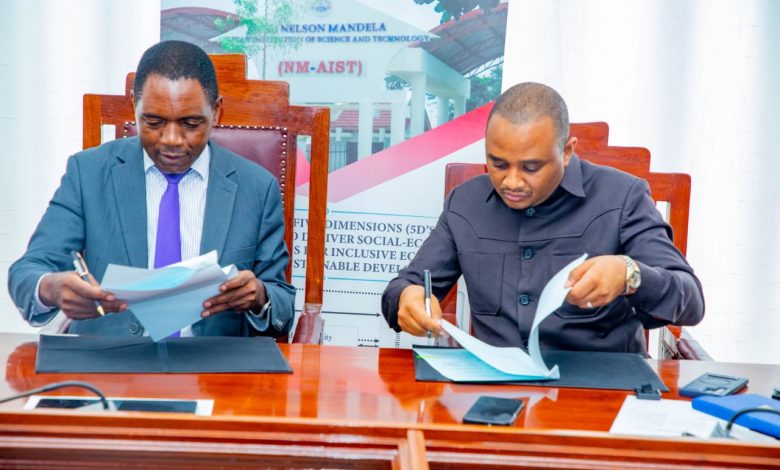
ARUSHA: THE Nelson Mandela African Institute of Science and Technology has signed a Memorandum of Understanding (MoU) with Global Education Link Ltd to strengthen collaboration in research, innovation, and scientific development.
The agreement aims to prepare a new generation capable of driving economic and technological transformation in Africa and beyond.
Through this partnership, the institutions expect to create new opportunities in education, research, and innovation while increasing the international visibility of Tanzania’s scientific capabilities.
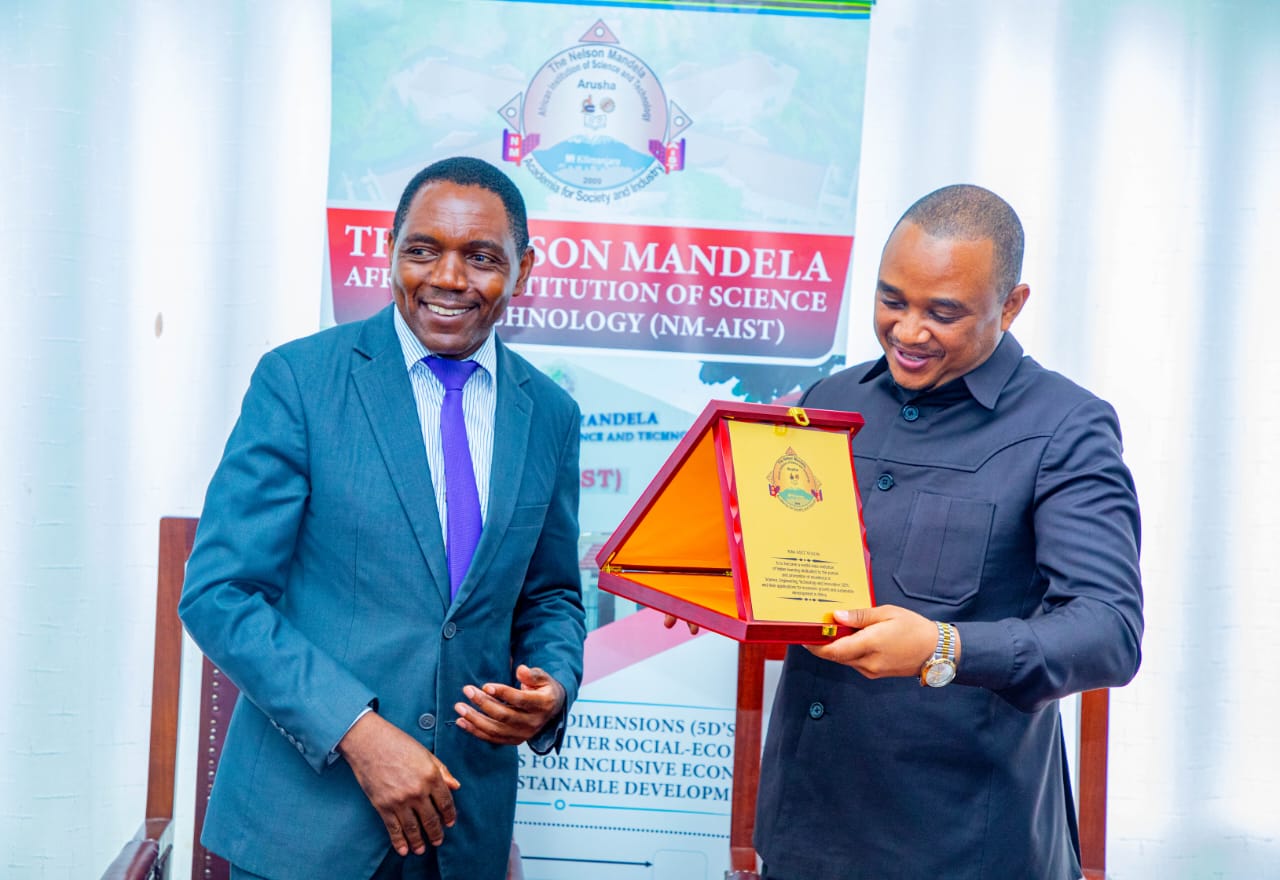
Speaking after the signing ceremony, the Vice-Chancellor of the institute, Maulilio Kipanyula, said Africa possesses a vast pool of talent which, if well managed and organized, can provide solutions to many of the challenges facing society.
Prof Kipanyula emphasized that innovation and scientific progress require collaboration among institutions. He noted that the agreement will help increase student enrollment, particularly international students, while also contributing to economic growth.
He added that the partnership is strategic in ensuring the institute continues to provide internationally competitive education and attract talented young innovators from around the world.
“We want our research and its results to reach the people more quickly, where creativity and knowledge will significantly contribute to society. Research and innovation must be capable of solving people’s challenges,” Prof Kipanyula said.
Meanwhile, the Director of Global Education Link Ltd, Abdullmalik Mollel, said the partnership focuses on strengthening academic collaboration, investment, and the use of technology to boost productivity in both the education sector and the wider economy.
He stressed that education should directly contribute to economic growth through the application of technology, knowledge, and capital.
“The education provided to a student should help grow the economy and bring about development through technology, knowledge, and investment. Cooperation among universities will increase productivity in building a technology-based economy,” Mollel said.
He added that the agreement marks the beginning of a long-term partnership aimed at strengthening university collaboration and promoting positive change in education, research, and broader social development.