Ndejembi launches HEP 2A power services in Shinyanga’s Mwanubi Hamlet
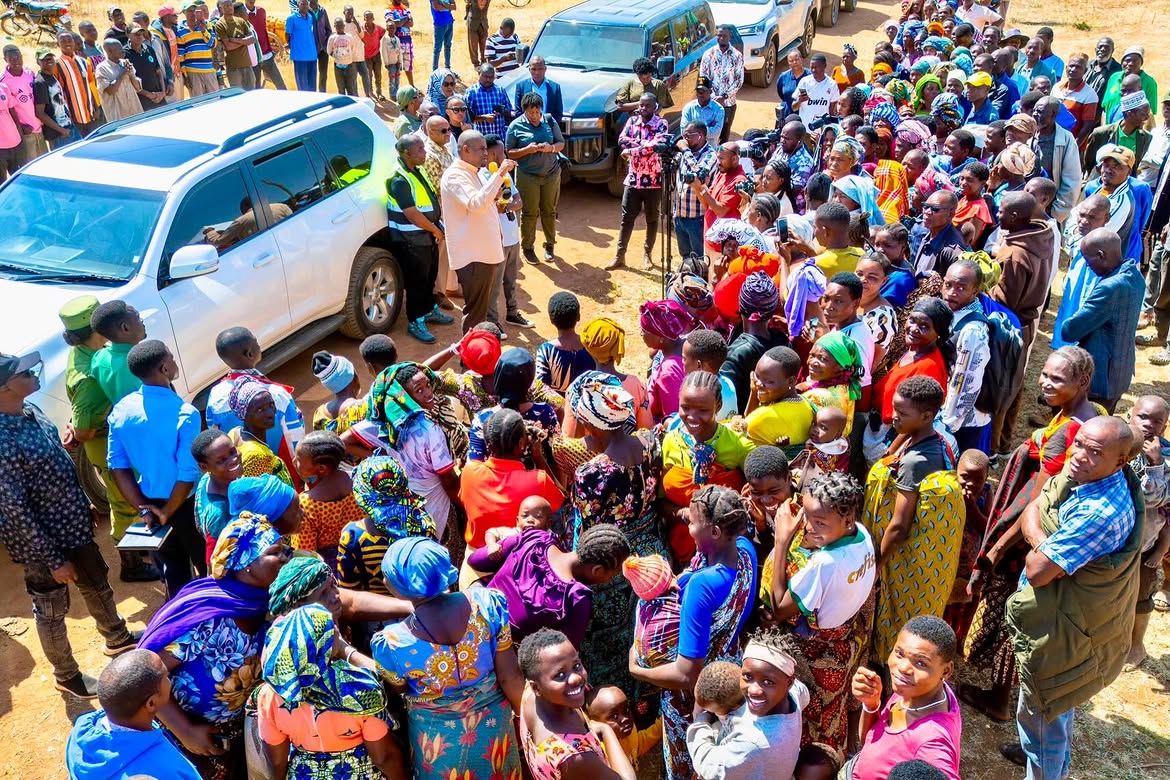
SHINYANGA: THE Energy Minister Deogratius Ndejembi has assured residents of Mwanubi Hamlet in Kolandoto Ward, Shinyanga Region, that the government will continue taking measures to ensure they have access to reliable electricity that meets their social and economic needs.
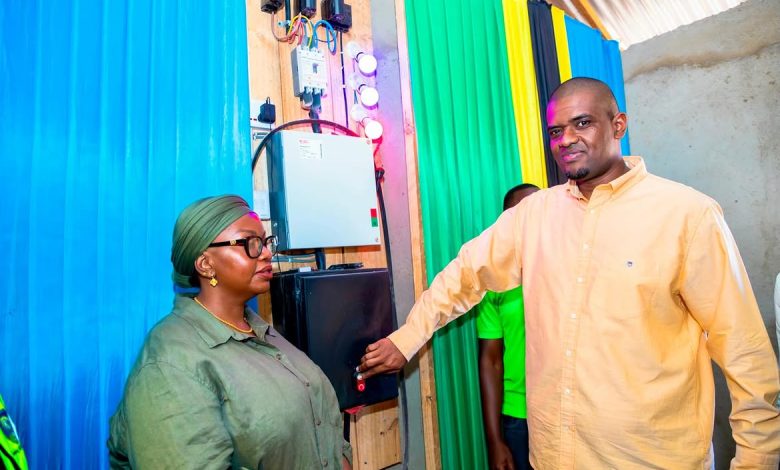
Ndejembi, who is also the government’s political overseer for Shinyanga Region, made the remarks yesterday, August 10, 2026, when he officially launched electricity services in Mwanubi Hamlet under the Hamlet Electrification Project Phase Two A (HEP 2A).
The launch was part of his tour to inspect the implementation of development projects in Shinyanga Region.
He said the government, through the Ministry of Energy, was continuing with its commitment to ensure that all hamlets across the country are connected to electricity by 2030.
According to the minister, expanding electricity access to hamlets is aimed at creating more economic opportunities, improving social services and enhancing the quality of life for citizens.
“We want to see all citizens gain access to electricity and use it to increase production. When electricity reaches an area, it must go hand in hand with economic activities and social services,” Ndejembi said.
He directed the Rural Energy Agency (REA) to assess all areas of Kolandoto Ward that have not yet been reached by electricity infrastructure and ensure that electricity poles are extended to those areas within six months.
ALSO READ: 400-KV Chalinze–Dodoma power project nears completion before starting services in Mid-August
Ndejembi also urged residents to take advantage of the availability of electricity by connecting their premises and establishing productive activities that could increase their incomes.
He said the cost of connecting electricity was only 2,700/-, noting that access to the service would increase the value of properties and stimulate economic activities.
He added that Shinyanga Region was continuing to benefit from efforts to improve the reliability of electricity supply through the implementation of various projects, including the Kishapu Solar Power Project.
According to the minister, the second phase of the Kishapu Solar Power Project is expected to generate 100 megawatts, a development that would help increase electricity supply capacity in the region.
For her part, Shinyanga Regional Commissioner Mboni Mhita thanked the Sixth Phase Government for continuing to invest in improving electricity access and ensuring that residents receive reliable power services.
Mhita said access to electricity in rural areas and hamlets would continue to serve as a catalyst for productive activities as well as social and economic development in the region.