Nairobi Convention shifts focus to investment
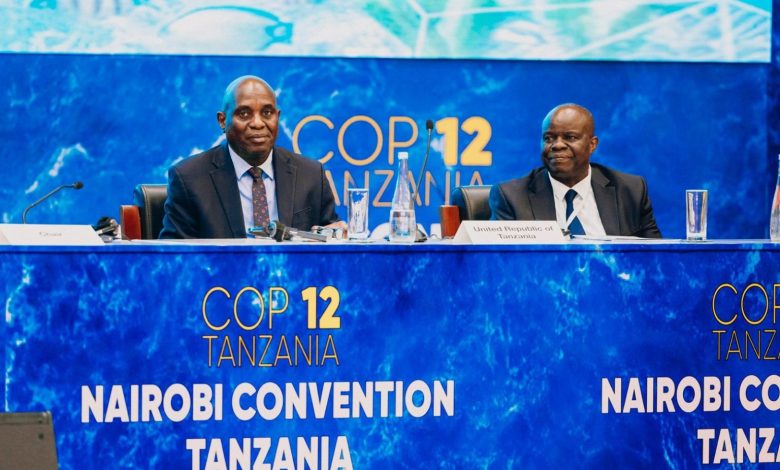
DAR ES SALAAM: NAIROBI Convention Secretariat Head, Dr Jared Bosire, has called for greater investment in protecting the ocean and coastal ecosystems, urging Western Indian Ocean countries to translate environmental commitments and knowledge into concrete financing and practical solutions that directly benefit coastal communities.
Dr Bosire said the region had made significant progress in developing frameworks and strategies to address marine and coastal environmental challenges, but the next phase should focus on turning those commitments into tangible investments and outcomes.
“The region’s objective shifts from accelerated implementation and knowledge on commitments to large actionable financial investment and concrete solutions for our coastal communities,” Dr Bosire said.
He was speaking at the 12th Conference of the Parties (COP12) to the Nairobi Convention, which brings together countries and stakeholders from the Western Indian Ocean region to discuss the sustainable management and protection of marine and coastal resources.
Dr Bosire said the convention has advanced key strategies on mangroves, ocean acidification and marine plastics, while also strengthening efforts to protect critical coastal and marine habitats. He said a number of frameworks developed during the intersessional period would be considered for adoption at the ongoing conference, providing a foundation for stronger regional action on ocean and coastal conservation.
Dr Bosire said mobilising investment was particularly important as the region sought to build a sustainable economy that benefits both people and nature. As part of efforts to bring financing closer to environmental action, he said this year’s COP would host a business forum bringing together financiers, policymakers and private-sector pioneers to mobilise capital and unlock sustainable and green economy opportunities.
ALSO READ: Nairobi Convention records progress in Ocean conservation
“This is the first time in the history of the Nairobi Convention we are having a business forum,” Dr Bosire said.
He said the forum was expected to strengthen links between environmental priorities and investment opportunities, enabling the private sector and financiers to play a greater role in supporting sustainable development in the Western Indian Ocean region.
Dr Bosire said COP12 was taking place at a significant time as the Nairobi Convention marks its 40th anniversary, providing an opportunity to reflect on four decades of regional efforts to protect, manage and develop the Western Indian Ocean’s coastal and marine environment. He said the convention was established in 1985, when contracting parties made a commitment to safeguard the region’s marine and coastal environment.
“Today, under our umbrella theme, Towards a Sustainable Economy in the Western Indian Ocean Region for People and Nature, a journey of 40 years, we meet here to look back, celebrate how far we have come, but also discuss together how we move into the future,” Dr Bosire said.
He said the current COP was different from previous meetings in terms of participation and the range of activities being held alongside the formal negotiations.
According to Dr Bosire, more than 1,500 delegates are attending the conference, compared with about 200 at the previous COP, while more than 50 side events and exhibitions are being held. He said the conference also includes dedicated events for young people and women, noting that young people account for about 70 per cent of the population in the Western Indian Ocean region and are an important constituency and driver of the economy.
Two high-level ministerial events are also scheduled, focusing on regional cooperation and translating sustainable economy policies into tangible investment outcomes. Dr Bosire said stronger partnerships among countries and stakeholders would be essential in addressing challenges affecting the shared ocean.
“When we meet in the Western Indian Ocean, it’s a family gathering,” he said, urging delegates to use the conference to strengthen partnerships and advance integrated ocean governance across the region. The conference is being held under the theme: “Towards a Sustainable Blue Economy in the Western Indian Ocean for People and Nature: A 40-Year Journey.” The four-day meeting brings together stakeholders to address challenges affecting the Western Indian Ocean and advance sustainable use of marine and coastal resources.
Key issues on the agenda include marine and coastal pollution from land- and sea-based activities, regional cooperation in conservation and management of marine ecosystems, climate change resilience and protection of marine biodiversity. The conference also discusses sustainable blue economy opportunities, including sustainable fisheries, aquaculture, marine tourism and maritime transport, while promoting investment that takes environmental considerations into account.