Mzinga urges miners to seek explosives permits
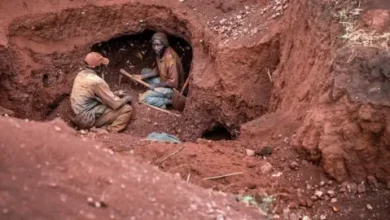
MWANZA: ARTISANAL and smallscale miners have been urged to obtain permits that allow them to buy and transport explosives directly, a move aimed at cutting costs and reducing reliance on middlemen.
Mzinga Corporation Marketing Officer, Mr Ibrahim Liembe said the permits enable licensed miners to purchase and transport explosives legally after completing the required training under the Ministry of Minerals.
“Some miners still depend on middlemen and end up buying explosives at higher prices, yet the permits allow them to access the service directly,” Mr Liembe said during the justended Mwanza East Africa Trade Fair.
He said the corporation has intensified public education to raise awareness among artisanal and small-scale miners, who are among the biggest users of explosives for rock blasting.
Mr Liembe said only trained permit holders are allowed to access the service, with the training covering the safe transportation, storage and use of explosives.
ALSO READ: Zanzibar ends daily permits for tourist vehicles
“The training equips dealers, transporters and blasters with the knowledge needed to protect themselves and the surrounding community,” he said.
He said transport regulations require detonating fuses to be kept separate from explosives, while vehicles carrying explosives must comply with designated transport and parking procedures to minimise risks.
Mr Liembe added that different types of explosives are designed for different environments, including mining, construction and industrial minerals, to improve safety during blasting operations.
Meanwhile, the Geological Survey of Tanzania (GST) encouraged artisanal and small-scale miners to take advantage of government efforts to identify new mineral-rich areas across the country.
GST Principal Technician, Mr Gidion Nshange said low-resolution geophysical surveys have been completed nationwide, while high-resolution surveys have reached 16 per cent, with the government targeting at least 50 per cent coverage by 2030.
“The expanded surveys will help identify more mineral deposits and support the growth of the mining sector,” Mr Nshange said.