Mwinyi calls for more investment in Zanzibar
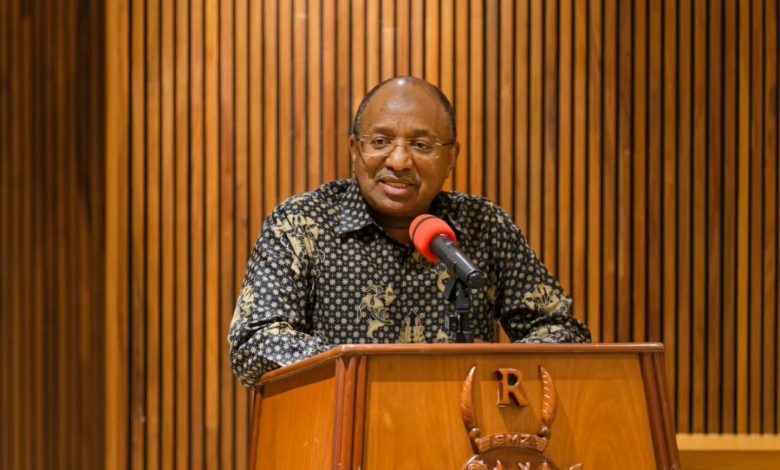
ZANZIBAR: ZANZIBAR President Dr Hussein Mwinyi has said the government will continue investing in key economic sectors and improving the business environment to attract investors, stimulate development and improve citizens’ welfare.
Dr Mwinyi made the remarks at Abeid Amani Karume International Airport after returning from official visits to Qatar, Spain and Armenia, where he held discussions on investment, development cooperation and environmental conservation.
He said investment was essential to economic growth, stressing that the government had a responsibility to create conditions that encouraged local and foreign investors to establish and expand businesses capable of contributing to Zanzibar’s development.
According to Dr Mwinyi, failure to attract investment across different sectors could slow economic growth by limiting productive activities, employment opportunities and other development initiatives.
“If the government does not take deliberate measures to attract investors into various sectors, our economy will decline. We must therefore invest,” he said.
The President also acknowledged public concerns over compensation payments, particularly complaints that some people had not received what they considered fair compensation for land and properties affected by development projects.
He said the government was preparing a special team to investigate compensationrelated challenges, identify the problems and recommend appropriate solutions.
Dr Mwinyi assured citizens that the government would work to ensure that no one was unfairly treated and that those entitled to compensation received the appropriate payments.
“These are challenges involving both sides. We assure the public that no one will be wronged and we will ensure that people receive their rightful compensation,” he said.
ALSO READ: Dr Mwinyi proposes Tanzania-Armenia partnership in advancing technological skills
However, he cautioned residents against planting trees or constructing buildings on land in anticipation of compensation after learning that an investment project was planned for the area, saying such practices could complicate development initiatives.
Turning to environmental conservation, Dr Mwinyi said Tanzania had already surpassed the international target of conserving at least 30 per cent of its territory by 2030.
He said approximately 32.5 per cent of the country’s area was under conservation, placing Tanzania ahead of the target.
He argued that countries making substantial contributions to protecting wildlife and natural resources deserved adequate international financial support.
“Wildlife conservation is a global responsibility, not Tanzania’s responsibility alone. We therefore have every reason to seek additional funding to support these efforts,” he said.
Dr Mwinyi added that Zanzibar had established marine conservation areas, particularly to protect fish breeding grounds.
Restrictions on fishing in designated areas, he explained, were intended to allow fish populations to recover and sustain the fishing industry