Mwanza, Shinyanga report 2,000 disabled children
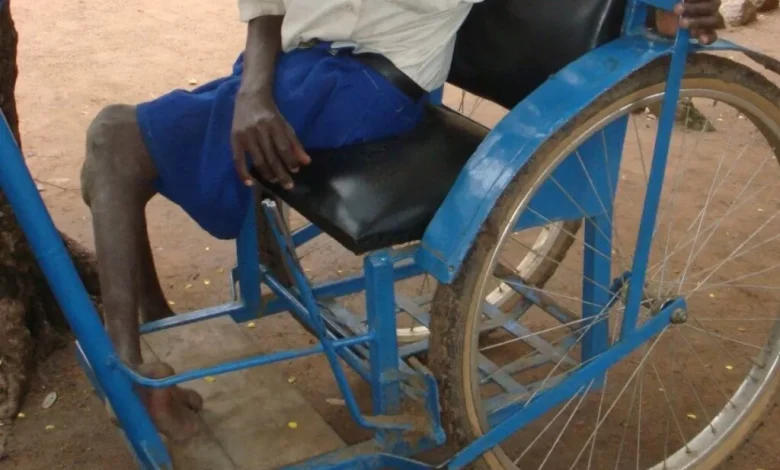
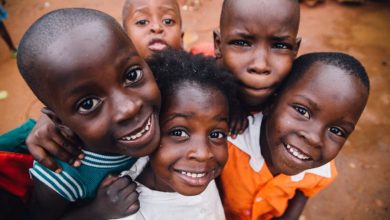
MWANZA: AT LEAST 2,059 children with disabilities have been identified in parts of Mwanza and Shinyanga Regions since 2022, with the aim of connecting them to education and medical services.
This was achieved through the four-year (2022-2025) Disability Inclusive Development Task Order 51 (DID-TO51) project implemented by the Tanzanian government in partnership with Sense International, ADD International and the Tanzania Cheshire Foundation.
The statistics were given during an event to celebrate the project’s successes, held recently in Mwanza, which gathered education stakeholders from within and outside the two regions.
The Project Leader from Sense International Tanzania, Mr Julius Mahundi, explained that DID-TO51 has been implemented in three wards of Misungwi District in Mwanza, as well as in Shinyanga Municipality and Shinyanga District Council.
It involved, among other things, capacity-building training for teachers to identify children with both visible and nonvisible disabilities.
“The key goal is to promote inclusive education to ensure no child is left behind,” he said, explaining that identified children first underwent screening to assess their conditions before being given appropriate support, such as wheelchairs, hearing aids and eyewear, before school enrolment.
He thanked the government for ensuring experts are available at screening centres at least once a week, widening coverage to the targeted audience.
ALSO READ: TİKA empowers 80 children with disability in Kilwa
“For instance, the Mitindo screening centre in Misungwi has served 626 children so far, with 43 receiving medical treatment, 417 provided with health insurance and 23 given supportive devices such as eyeglasses, wheelchairs and hearing aids,” he said.
He added that the project also economically empowers parents of children with disabilities, enabling them to earn reliable incomes instead of spending entire days on farm activities.
“With this financial stability, parents have more time to care for their children, including accompanying them to school,” he said.
Chief Education Quality Control Officer for Misungwi, Mr Faustine Salala, said the project’s objectives, particularly on inclusive education, have been adopted beyond the three targeted wards to ensure sustainable services for children with disabilities even after the project ends.
“And inclusive education is what our education policy insists on,” he said.
Representing the Director for Special Education in the Ministry of Education, Science and Technology, Ms Ahiadu Sangoda, supported this, urging all councils nationwide to adopt similar approaches for the welfare of children with disabilities.