MOI expands complex surgery services
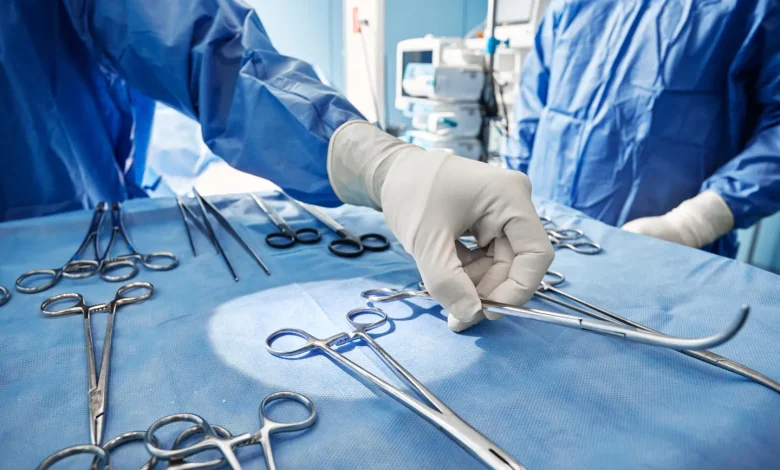
DODOMA: TANZANIA has taken a significant step forward in advanced healthcare delivery after the Muhimbili Orthopaedic Institute (MOI) introduced nine new superspecialised services in 2025, substantially reducing the need to refer patients abroad.
Speaking to reporters on Monday in Dodoma, MOI Executive Director, Ambassador Dr Mpoki Ulisubisya, said the new services have strengthened the country’s capacity to manage complex cases involving the brain, spine, nerves and bones, conditions that previously compelled many patients to seek treatment outside the country.
Among the newly introduced services is advanced brain surgery supported by artificial intelligence and the globally recognised Brainlab system, which enhances precision and safety during delicate neurosurgical procedures.
“MOI now has modern technology that enables our specialists to perform highly complex brain operations with greater accuracy and confidence,” Dr Ulisubisya said.
The institute has also rolled out minimally invasive spine surgery performed through small incisions, offering outcomes comparable to conventional open surgery but with significantly less pain and shorter hospital stays.
In addition, specialists are now applying keyhole techniques to access affected areas of the brain and spine, obtain biopsy samples for laboratory analysis and determine appropriate treatment without major surgical exposure.
MOI has further introduced a specialised procedure involving the injection of medical cement into fractured vertebrae to stabilise the spine and accelerate healing, a breakthrough for patients suffering spinal injuries, particularly from road traffic accidents.
“Previously, managing fractured vertebrae was highly challenging, but this service is now part of our routine interventions,” he noted.
The institute has also established a fully-fledged Pain Clinic to manage chronic pain conditions, alongside a Reconstructive Surgery Unit focusing on restoring function in paralysed limbs through advanced nerve transfer and grafting techniques.
Within the same period, MOI launched brain tumour surgery using fluorescein technology to enhance visibility and precision during tumour removal.
ALSO READ: Why reconstructive, cosmetic surgery services introduced
Dr Ulisubisya said the expansion of super-specialised services has significantly reduced overseas referrals, saving substantial foreign expenses.
Between January and December 2025, MOI treated 180,000 outpatients and emergency cases, while 9,922 patients were admitted for specialised care. A total of 2,228 patients received highly specialised procedures that would previously have required treatment abroad.
Beyond technological upgrades, Dr Ulisubisya said the institute has continued implementing the government’s directive to decentralise specialised services through medical outreach programmes.
During the 2025/2026 financial year, MOI extended super-specialised services to several regional hospitals, including Nyangao Hospital in Lindi, St Benedict Ndanda Hospital, Nkinga Hospital in Tabora, Chato Zonal Referral Hospital and Tosamaganga Hospital in Iringa.
“Services have also commenced at Mwalimu Nyerere Hospital in Musoma and Arusha Lutheran Medical Centre (ALMC) in Arusha, bringing advanced orthopaedic and neurosurgical care closer to citizens,” he said.
The institute has also constructed 25 modern premier wards to cater for private and international patients and introduced an online appointment system to improve service delivery efficiency.
As MOI marks 30 years of specialised and superspecialised care in orthopaedics, neurosurgery, spinal and nerve treatment, Dr Ulisubisya said the institute has evolved into a centre of excellence in East and Central Africa, continuing to train specialists and expand access to advanced healthcare nationwide.
“For three decades, MOI has remained committed to transforming lives through specialised treatment, research and training,” he said.