MNH separates rare conjoined twins
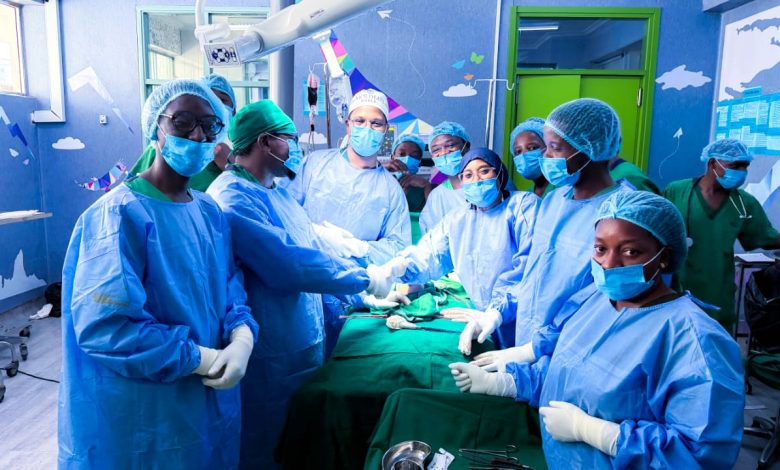
DAR ES SALAAM: MUHIMBILI National Hospital (MNH) has successfully separated parasitic conjoined twins for the first time, marking a milestone in Tanzania’s specialised paediatric surgery.
The three-hour operation separated an underdeveloped twin that lacked vital organs and depended on the healthy baby for blood supply.
Speaking after the surgery yesterday, paediatric surgeon Dr Victor Ngota said the case differed from other conjoined-twin operations at MNH because only one of the twins had developed sufficiently to survive independently.
Dr Ngota said conjoined twins occur when identical twins fail to separate completely during the early stages of pregnancy.
He said the parasitic twin lacked vital organs, including a properly developed heart, chest and head, making independent survival impossible. It had underdeveloped limbs and depended on the healthy baby for blood supply.
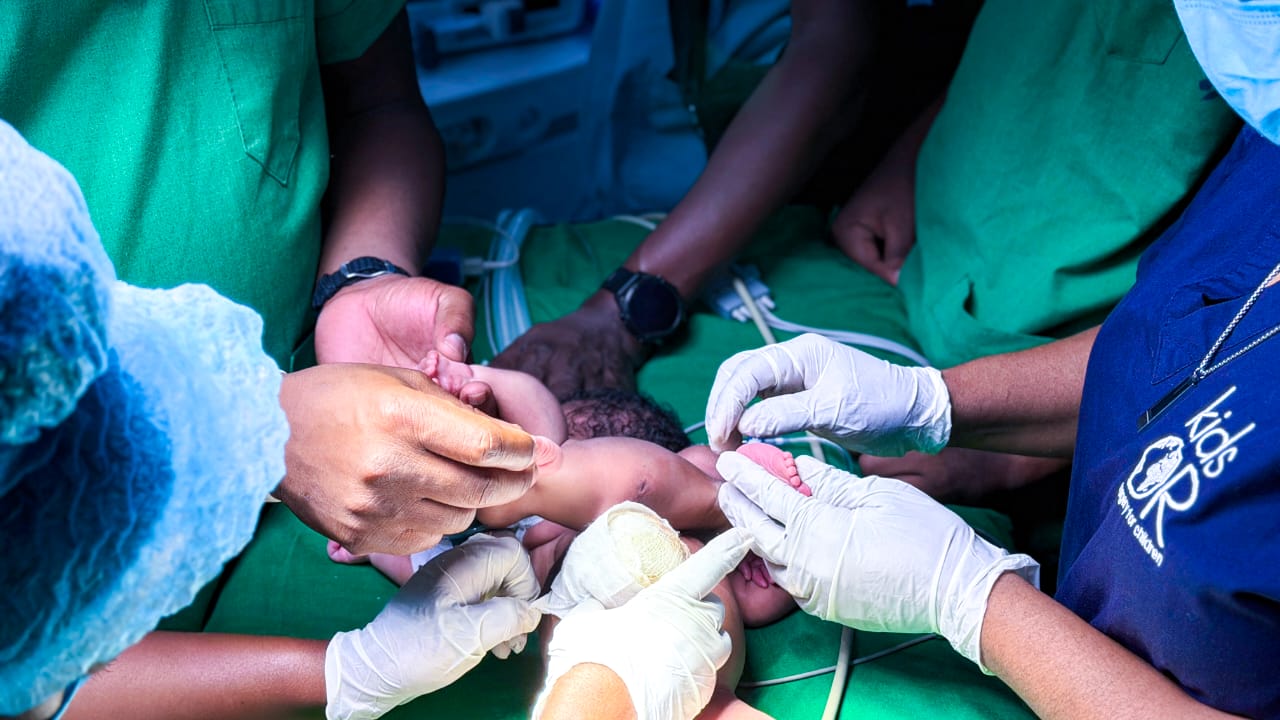
Dr Ngota said the surgery was particularly complex because doctors had to separate the twins while protecting the healthy baby’s vital organs and blood vessels.
The operation involved a multidisciplinary team of paediatric surgeons, anesthetists and plastic and reconstructive surgeons.
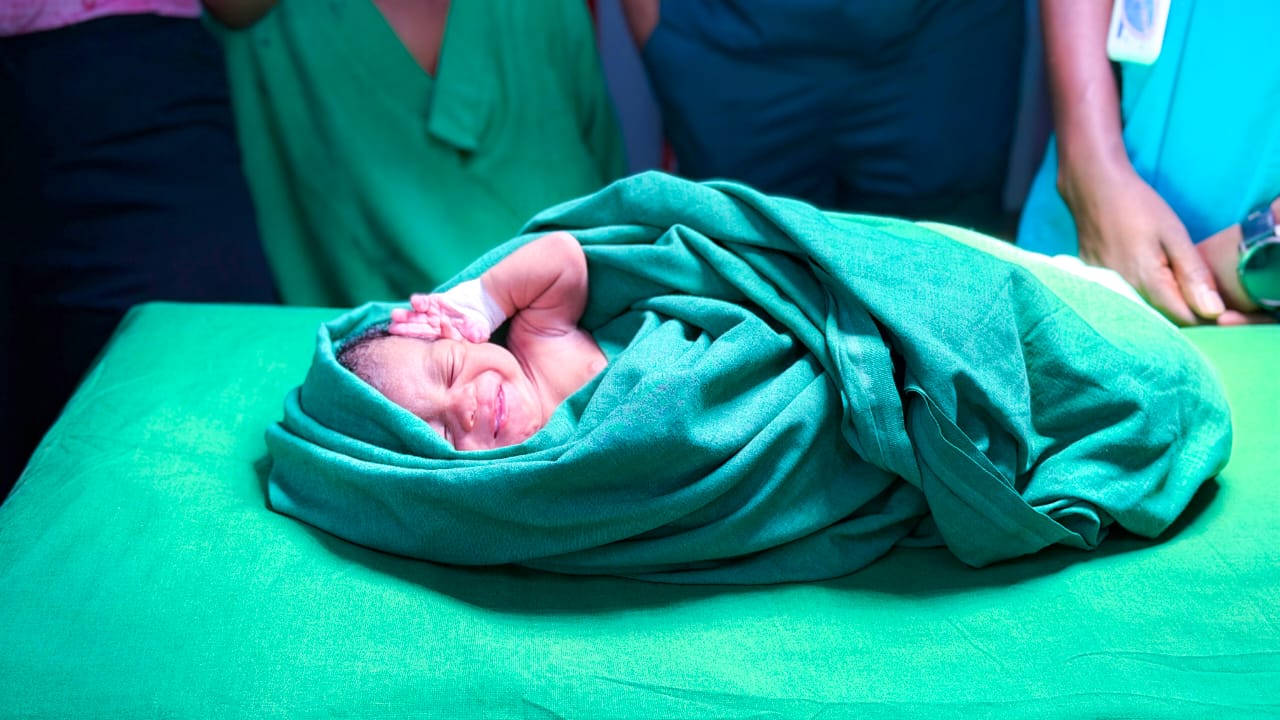
“The surgery was successful. We managed to separate the parasitic twin, and we expect the remaining baby to grow and live a normal life,” Dr Ngota said.
ALSO READ: Experts warn over lifestyle-related infertility
Dr Ngota said the healthy baby also had an omphalocele, a birth defect in which abdominal organs protrude through an opening near the umbilical cord.
According to Dr Ngota, the baby had been supplying blood to the parasitic twin, making the separation of the shared blood system a critical part of the procedure.
The successful operation marks a major achievement for MNH and the country’s paediatric surgical services, reflecting the growing capacity of local specialists to handle rare and complex congenital conditions.
The hospital said the milestone underscores its commitment to strengthening specialised medical services and ensuring patients can access advanced treatment within the country.
The baby will continue to receive close medical monitoring as recovery progresses.