Mkenda outlines key reforms ahead of 2027 double cohort
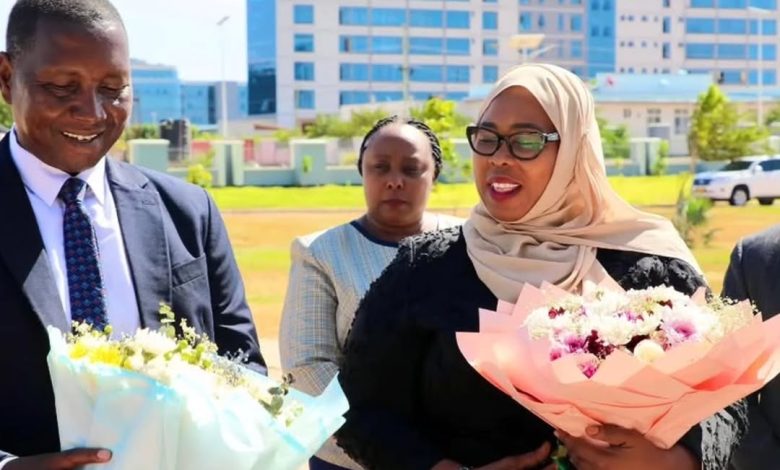
DODOMA: MINISTER for Education, Science and Technology, Professor Adolf Mkenda, has outlined key reforms the government will fast-track as the country prepares for the 2027 double cohort, assuring that robust infrastructure, trained personnel and strengthened school systems will be in place to deliver quality education to all children.
A double cohort happens because of a major curriculum change, education system reform, and policy shift whereby Standard Six pupils (2026) and Standard Seven pupils (2026) will both finish primary school in 2027 and join Form One together.
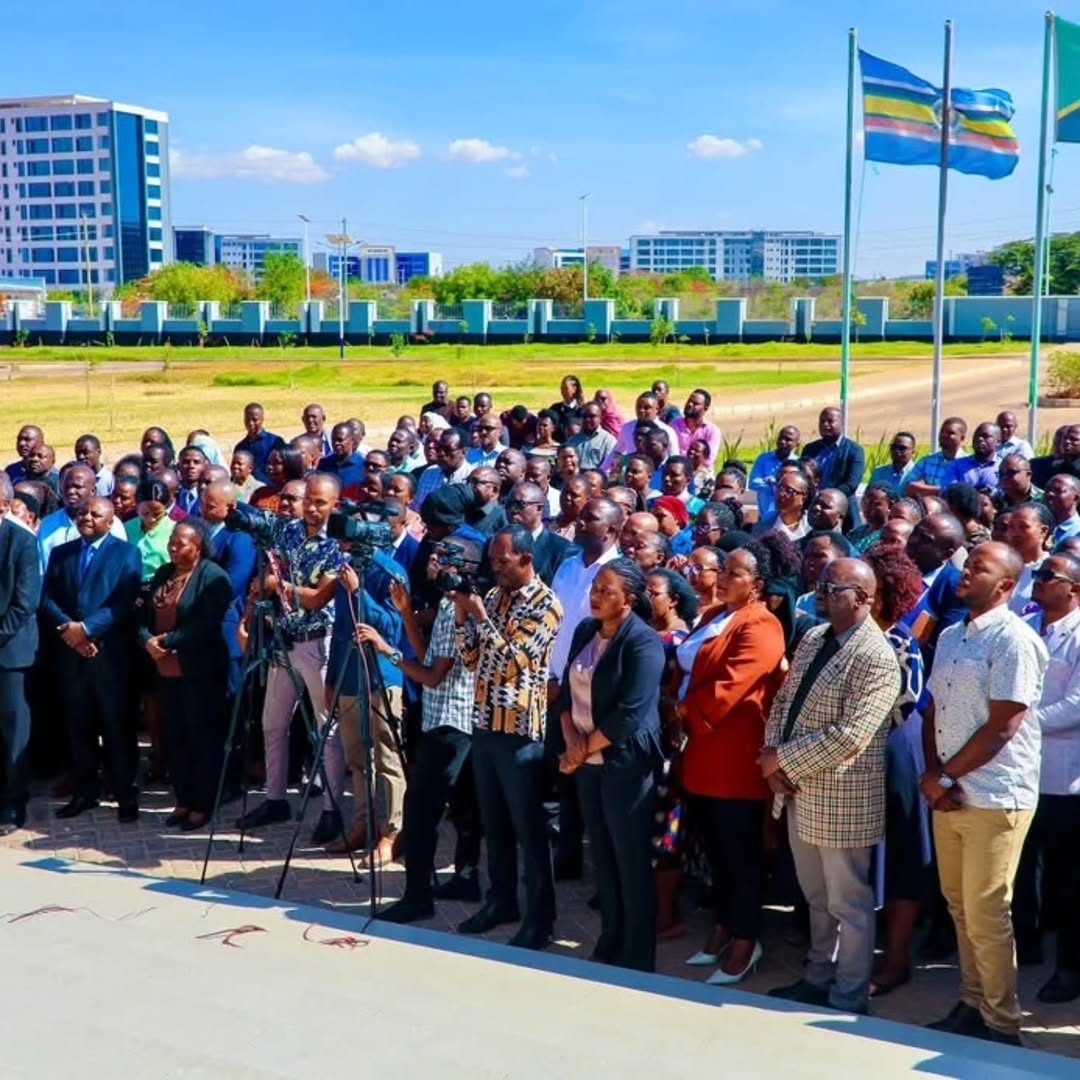
Speaking shortly after reporting to the ministry offices in Dodoma on Tuesday, Prof Mkenda said this is a historic transition that requires intensified preparations across the sector.
He said the government is already upgrading infrastructure to ensure primary schools can accommodate secondary classes and that some secondary schools will incorporate primary sections, guaranteeing that every child can walk to a nearby secondary school.
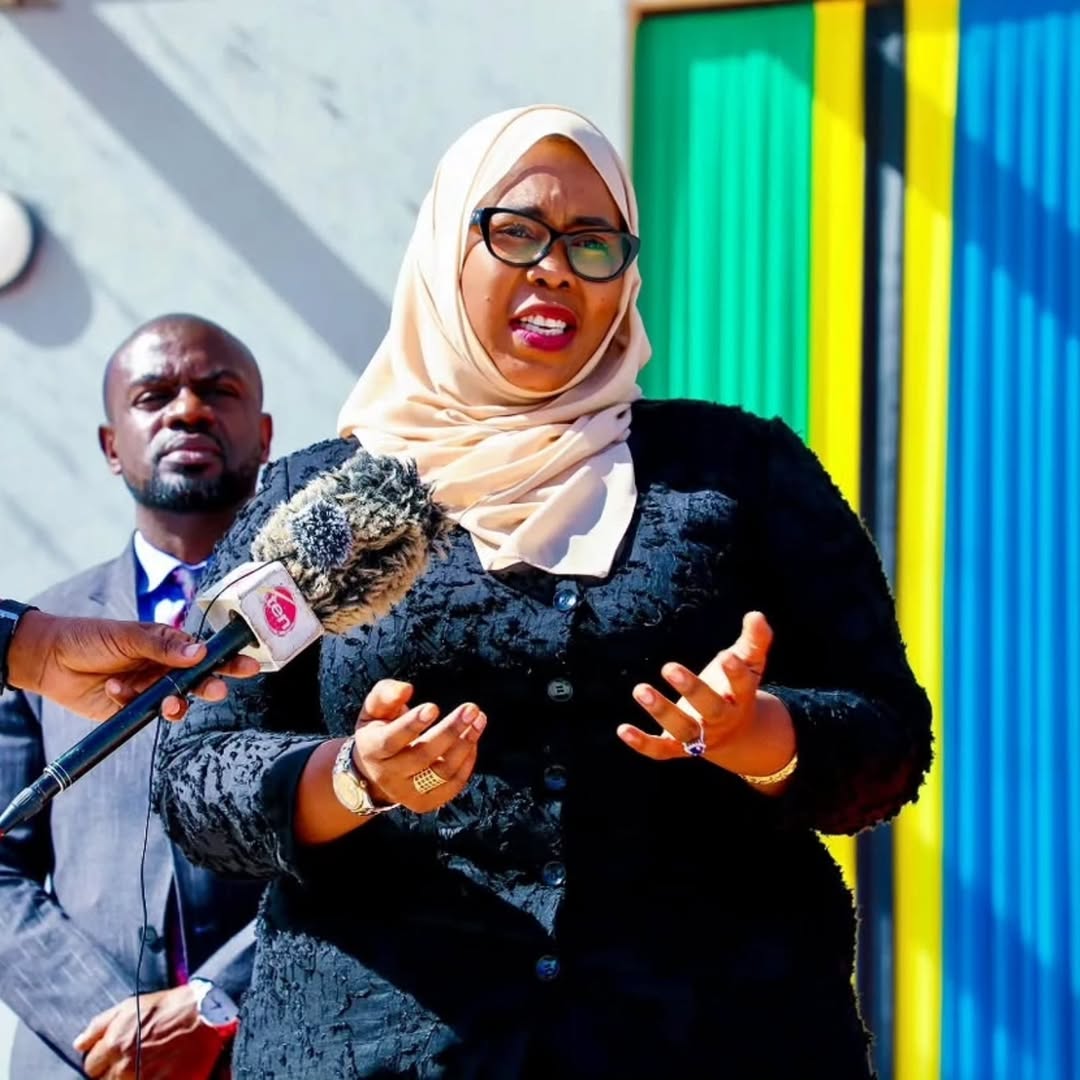
“2027 is not far. This transformation is a major national task before us, and we have assured President Samia Suluhu Hassan that we will execute it with full commitment,” he said.
Prof Mkenda said the reforms also prioritise expanding the technical and vocational education stream, noting that construction of specialised technical secondary schools, including the flagship project launched by President Samia Suluhu Hassan in Itilima, Simiyu, is progressing well.
He emphasised that the country’s 103 vocational and technical schools must be fully equipped and strengthened to ensure skills-based education is embraced and not stigmatised.
“This is central to meeting the expectations of our youth and the labour market,” he stressed.
The minister also highlighted President Samia’s establishment of a dedicated Ministry of Youth, calling it a strategic step to address youth needs, affirming that the education sector plays a critical role in equipping young Tanzanians with employable skills.
Prof Mkenda added that the government will scale up efforts to sponsor exceptionally bright students abroad and directed all ministry departments to align their plans with the President’s parliamentary address and the Tanzania Development Vision 2050.
Deputy Minister Wanu Hafidh Ameir pledged full cooperation in driving the reforms, urging ministry staff to uphold professionalism and unity to ensure the government’s goal of delivering quality education for all Tanzanians is achieved.
Permanent Secretary Prof Carolyne Nombo and senior ministry officials expressed confidence in the new leaders, affirming that strong leadership will accelerate the country’s education transformation agenda.