Minister lifts the lid on beneficiaries of Samia Innovation Commercialization Fund
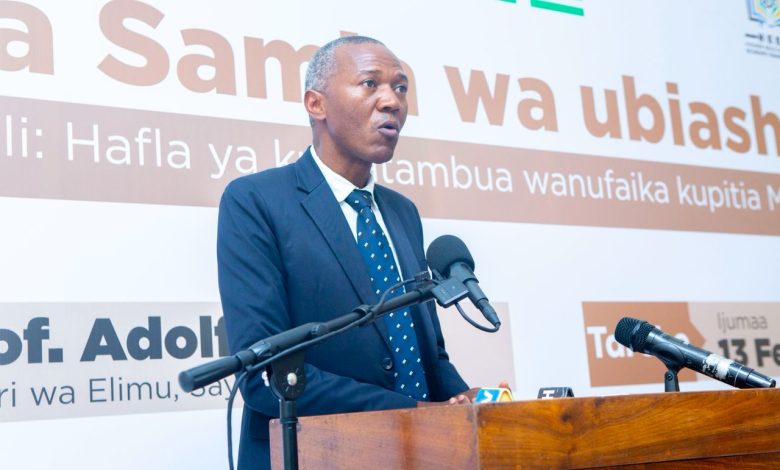
DAR ES SALAAM: THE Deputy Minister for Education, Science and Technology, Wanu Afidhi, has announced that the Samia Innovation Commercialization Fund has been established specifically to support young innovators who have reached the stage of taking their products or services to market but lack the capital to further develop their ideas.

She said the fund is a continuation of the government’s efforts to recognize and promote the concept of innovation in the country.

 She explained that the implementation of the fund involves collaboration between the Commission for Science and  Technology (COSTECH) and the CRDB Bank Foundation, which have jointly contributed a total of 4.6bn/- to support youth investment.

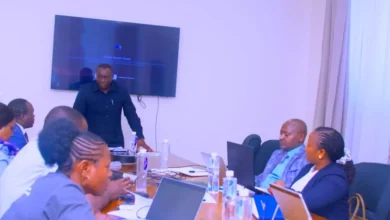
The Deputy Minister made the remarks today in Dar es Salaam during an event highlighting the future recognition of beneficiaries of the Samia Innovation Commercialization Fund.

 She emphasized the importance of young people taking advantage of the opportunity by submitting complete and accurate applications, so they can increase their personal income, grow their businesses, and contribute to national economic growth through sustainable innovation.

Speaking at the event, the Director General of COSTECH, Amos Nungu, said the fund operates as a revolving fund, where young people will receive loans, repay them, and enable others to benefit in turn. He noted that the fund aims to stimulate the innovation economy, create jobs, and ensure that youth innovations are transformed into sustainable businesses and industries that contribute to the national GDP. He added that COSTECH will continue building the capacity of young innovators and assist them with standards, permits, and government coordination.

Meanwhile, the Chief Executive Officer of CRDB Foundation, Tullyesther Mwambapa, said the foundation, in collaboration with COSTECH, has increased loan guarantees to 4.6bn/- to enable young innovators to turn their ideas into viable businesses, to stimulate employment and economic development.
Related Articles

6 Comments

  1. Several countries offer free or nearly free tuition at public universities for residents, EU/EEA citizens, and sometimes all international students. Top countries include Germany, Norway, Finland, Sweden, Denmark, Austria, Iceland, and Slovenia. While tuition is free, students often pay nominal semester fees (e.g., €100–€350 in Germany).
    Key Countries with Free/Low-Cost Higher Education:
    Germany: Public universities are generally free for all students, including non-EU nationals, with only small administrative fees.
    Norway: Public higher education is free for all students, including those from outside the EU/EEA.
    Finland: Free for EU/EEA and Swiss citizens; doctoral-level studies are often free for all.
    Sweden: Free for EU/EEA and Swiss citizens, with PhD programs often free for all.
    Denmark: Free for EU/EEA and Swiss citizens.
    Austria: Free for EU/EEA students at public universities, with low fees for non-Europeans.
    Iceland: Public universities are generally tuition-free for all students, requiring only an registration fee.
    Czech Republic: Free for all, provided the program is taught in the Czech language.
    Greece: Free for EU/EEA students, with low-cost options for others.
    France: Public universities have very low, subsidized fees for all students.

  2. Several countries and specific regions offer free or nearly free land to attract residents, investors, or agricultural development. Key locations include Botswana (for citizens), Tanzania (for industrial investors in Dodoma), Pitcairn Island, and parts of the USA (such as Iowa and Minnesota). These programs often require building a home within a specific timeframe or investing in the local economy.
    Botswana: Citizens can receive free land for residential use.
    Tanzania: The government offers free land for investors in building/construction materials. Specific industrial plots are available in Dodoma.
    Pitcairn Island: Offers free land to individuals willing to settle in this remote Pacific location, provided they build a home.
    Italy: Various towns offer abandoned homes for €1 ($1), such as in Maenza, requiring renovation within a few years.
    USA:
    Marne, Iowa: Offers free plots for residential construction.
    Manila, Iowa: Provides free lots for building homes.
    Claremont, Minnesota: Offers free lots for working families to build homes.
    Buffalo, New York: Offers parcels for $1, requiring 3+ years of residency.
    Canada: The Yukon territory has agricultural programs, and the rural municipality of Pipestone, Manitoba, has offered land for a very low cost ($10).
    Congo-Brazzaville: Offered 99-year free leases to farmers for agricultural development.
    Japan: Offers, and in some cases gives away, abandoned, rural homes (Akiya) to combat aging populations.

  3. USIONGEE UNANUKIA _ Unemployment Rate in Tanzania remained unchanged at 8.90 percent in 2023 from 8.90 percent in 2022.. says:

    Several countries and specific regions offer free or nearly free land to attract residents, investors, or agricultural development. Key locations include Botswana (for citizens), Tanzania (for industrial investors in Dodoma), Pitcairn Island, and parts of the USA (such as Iowa and Minnesota). These programs often require building a home within a specific timeframe or investing in the local economy.
    Botswana: Citizens can receive free land for residential use.
    Tanzania: The government offers free land for investors in building/construction materials. Specific industrial plots are available in Dodoma.
    Pitcairn Island: Offers free land to individuals willing to settle in this remote Pacific location, provided they build a home.
    Italy: Various towns offer abandoned homes for €1 ($1), such as in Maenza, requiring renovation within a few years.
    USA:
    Marne, Iowa: Offers free plots for residential construction.
    Manila, Iowa: Provides free lots for building homes.
    Claremont, Minnesota: Offers free lots for working families to build homes.
    Buffalo, New York: Offers parcels for $1, requiring 3+ years of residency.
    Canada: The Yukon territory has agricultural programs, and the rural municipality of Pipestone, Manitoba, has offered land for a very low cost ($10).
    Congo-Brazzaville: Offered 99-year free leases to farmers for agricultural development.
    Japan: Offers, and in some cases gives away, abandoned, rural homes (Akiya) to combat aging populations.

  4. USIONGEE UNANUKIA _ Unemployment Rate in Tanzania remained unchanged at 8.90 percent in 2023 from 8.90 percent in 2022.. says:

    Several countries offer free or nearly free tuition at public universities for residents, EU/EEA citizens, and sometimes all international students. Top countries include Germany, Norway, Finland, Sweden, Denmark, Austria, Iceland, and Slovenia. While tuition is free, students often pay nominal semester fees (e.g., €100–€350 in Germany).
    Key Countries with Free/Low-Cost Higher Education:
    Germany: Public universities are generally free for all students, including non-EU nationals, with only small administrative fees.
    Norway: Public higher education is free for all students, including those from outside the EU/EEA.
    Finland: Free for EU/EEA and Swiss citizens; doctoral-level studies are often free for all.
    Sweden: Free for EU/EEA and Swiss citizens, with PhD programs often free for all.
    Denmark: Free for EU/EEA and Swiss citizens.
    Austria: Free for EU/EEA students at public universities, with low fees for non-Europeans.
    Iceland: Public universities are generally tuition-free for all students, requiring only an registration fee.
    Czech Republic: Free for all, provided the program is taught in the Czech language.
    Greece: Free for EU/EEA students, with low-cost options for others.
    France: Public universities have very low, subsidized fees for all students.

  5. USIONGEE UNANUKIA _ Death rate, crude (per 1000 people) in Tanzania was reported at 5.791 % in 2023, according to the World Bank . says:

    Several countries and specific regions offer free or nearly free land to attract residents, investors, or agricultural development. Key locations include Botswana (for citizens), Tanzania (for industrial investors in Dodoma), Pitcairn Island, and parts of the USA (such as Iowa and Minnesota). These programs often require building a home within a specific timeframe or investing in the local economy.
    Botswana: Citizens can receive free land for residential use.
    Tanzania: The government offers free land for investors in building/construction materials. Specific industrial plots are available in Dodoma.
    Pitcairn Island: Offers free land to individuals willing to settle in this remote Pacific location, provided they build a home.
    Italy: Various towns offer abandoned homes for €1 ($1), such as in Maenza, requiring renovation within a few years.
    USA:
    Marne, Iowa: Offers free plots for residential construction.
    Manila, Iowa: Provides free lots for building homes.
    Claremont, Minnesota: Offers free lots for working families to build homes.
    Buffalo, New York: Offers parcels for $1, requiring 3+ years of residency.
    Canada: The Yukon territory has agricultural programs, and the rural municipality of Pipestone, Manitoba, has offered land for a very low cost ($10).
    Congo-Brazzaville: Offered 99-year free leases to farmers for agricultural development.
    Japan: Offers, and in some cases gives away, abandoned, rural homes (Akiya) to combat aging populations.

  6. USIONGEE UNANUKIA _ Death rate, crude (per 1000 people) in Tanzania was reported at 5.791 % in 2023, according to the World Bank . says:

    Several countries offer free or nearly free tuition at public universities for residents, EU/EEA citizens, and sometimes all international students. Top countries include Germany, Norway, Finland, Sweden, Denmark, Austria, Iceland, and Slovenia. While tuition is free, students often pay nominal semester fees (e.g., €100–€350 in Germany).
    Key Countries with Free/Low-Cost Higher Education:
    Germany: Public universities are generally free for all students, including non-EU nationals, with only small administrative fees.
    Norway: Public higher education is free for all students, including those from outside the EU/EEA.
    Finland: Free for EU/EEA and Swiss citizens; doctoral-level studies are often free for all.
    Sweden: Free for EU/EEA and Swiss citizens, with PhD programs often free for all.
    Denmark: Free for EU/EEA and Swiss citizens.
    Austria: Free for EU/EEA students at public universities, with low fees for non-Europeans.
    Iceland: Public universities are generally tuition-free for all students, requiring only an registration fee.
    Czech Republic: Free for all, provided the program is taught in the Czech language.
    Greece: Free for EU/EEA students, with low-cost options for others.
    France: Public universities have very low, subsidized fees for all students.

Leave a Reply

Your email address will not be published. Required fields are marked *

Back to top button