Milestone in Tanzania’s emergency care services
ARUSHA: TANZANIA has made significant progress in strengthening emergency medical services over the past five years, increasing the number of emergency medicine departments from seven in 2020 to 125 by March this year.
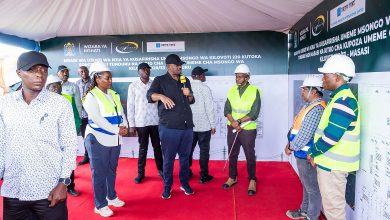
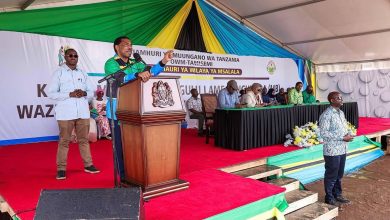
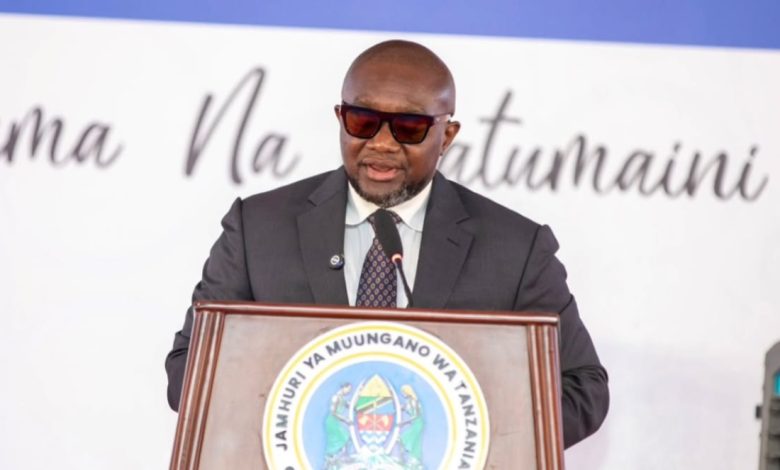
Minister for Health Mohamed Mchengerwa announced the achievement during the opening of the 8th African Conference on Emergency Medicine (AfCEM 2026) in Arusha, officiated by former President Dr Jakaya Kikwete.
He attributed the progress to government investment in health infrastructure, healthcare professionals and the expansion of services to primary healthcare facilities, where more than 80 per cent of Tanzanians access medical services.
Mr Mchengerwa said the country has also increased its capacity to train emergency medicine specialists, from eight doctors who began specialist training in 2010 to approximately 150 specialists currently.
“Through the Samia Scholarship programme, 42 doctors have graduated with Master’s degrees in Emergency Medicine, while another 50 are pursuing their studies and 18 additional specialists are expected to graduate by the end of this year,” he said.
Despite the progress, he said the country continues to face challenges, including road traffic accidents, the rising burden of non-communicable diseases such as stroke, heart disease, diabetes and kidney disease, as well as shortages of emergency medicine specialists, nurses and pre-hospital emergency care providers.
He called on African countries to increase domestic investment in health by allocating adequate resources in their national budgets, noting that external health assistance declined by an estimated 30 to 40 per cent in 2025 compared with 2023, according to World Health Organisation estimates.
Mr Mchengerwa stressed that emergency medical services must be integrated into core health systems rather than depend on short-term projects.
He also called for the implementation of Universal Health Insurance, efficient use of health financing and increased domestic production of medicines and medical equipment to ensure continuous availability of life-saving services.
For his part, Dr Kikwete stressed that investment in the training and professional development of healthcare workers is essential to strengthening emergency medical services and saving lives.
He said modern hospital buildings and medical equipment alone cannot deliver the expected results without skilled, knowledgeable and committed professionals capable of providing quality care.
ALSO READ: Mchengerwa sees Mount Meru Hospital celebrate 100 years of excellent services
Tracing the development of emergency medicine in Tanzania, Dr Kikwete said the journey began in 2007 when he met the Chairman and Chief Executive Officer of the Abbott Fund to discuss improving laboratory services in 23 regional hospitals and addressing deaths among critically ill patients and accident victims.
The discussions led to the Abbott Fund’s commitment in 2008 to support emergency medical services, paving the way for the establishment of the country’s first Emergency Medicine Department at Muhimbili National Hospital in 2010.
The initiative was accompanied by the introduction of formal emergency medicine training programmes at Muhimbili University of Health and Allied Sciences (MUHAS), aimed at producing doctors, nurses and other professionals specialised in emergency care.
“After 15 years, I am proud to see that vision grow into a nationwide movement, with various hospitals across the country continuing to establish emergency departments and produce professionals with the skills needed to save lives,” he said.