

Masterstroke land policy launched
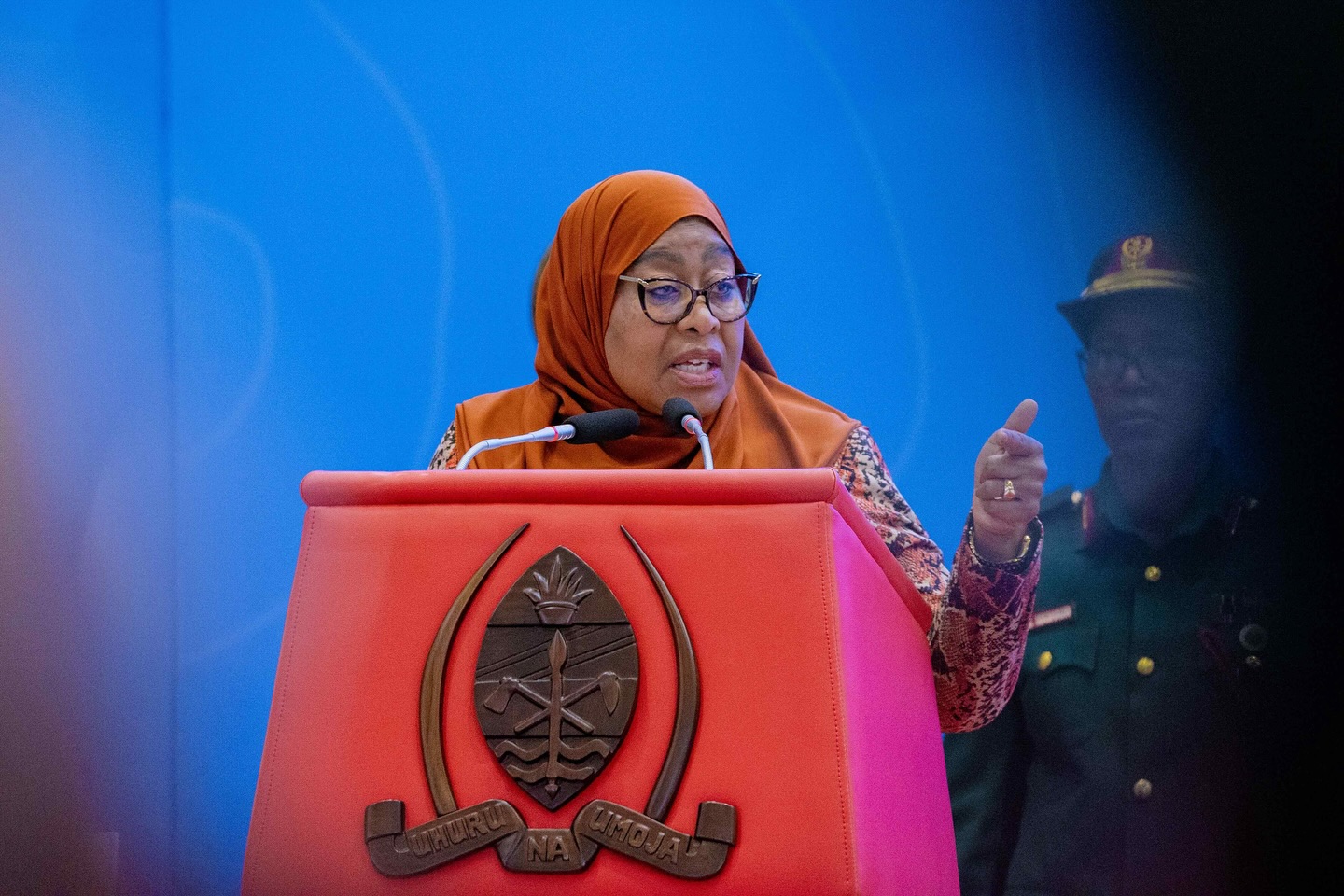
DODOMA: THE newly launched National Land Policy 1995 (2023 Edition) is expected to open a new chapter in the real estate sector, promoting equality in land ownership, introducing reforms in land conflict resolution bodies and enhancing proper village and urban land planning.
President Samia Suluhu Hassan made this statement in Dodoma yesterday while launching the revised policy, saying that despite the changes; land will remain public property, entrusted to the President of the United Republic of Tanzania on behalf of its citizens.
Speaking at the launch, the Head of State said that the initiative aims to eliminate outdated traditions, which among others have denied women the right to own land— an essential resource for national social and economic development.
“Outdated traditions that exclude women from land ownership have no place in the improved policy. Surprisingly, women work the hardest—whether in cultivation or other agricultural activities. But when it comes to ownership, they are sidelined,” she said, insisting that the policy will address this issue.
The improved policy is set to enhance land registration through ICT systems, she added, property security will be guaranteed, reducing land conflicts as fraudsters will no longer have opportunities to collaborate with pseudo-practitioners to seize others’ rights.
Furthermore, President Samia said that land resolution bodies at the village and ward levels have played a big role in settling disputes. However, with the introduction of the new policy, these bodies will be reformed to meet current needs.
She also pointed out that despite the growing population and increasing demand for affordable housing, the previous policy did not provide enough opportunities for private-sector involvement in addressing these challenges.
The newly launched policy, she stated, will attract foreign investment in the country’s real estate subsector, allowing the private sector to build and sell affordable housing to those in need.
For better land utilisation and to preserve large portions for production, President Samia urged settlement planners to consider constructing storey buildings in rural areas, given that social services such as water and electricity have significantly improved.
“Previously, this was not feasible, even in urban areas, due to unreliable services. But now, with Tanzania making significant progress in water and electricity supply, especially in rural areas, it’s time to consider this option,” she said.
She added that improving rural settlements would help curb rural-to-urban migration by ensuring that the services and opportunities attracting young people to cities are available in their local communities.
ALSO READ: Samia set to launch revised edition of National Land Policy tomorrow
President Samia also revealed that Tanzania is currently implementing the National Geospatial Data Infrastructure Project, which will be backed by the new policy to facilitate digital mapping and redraw the country’s map for better land planning.
She noted that the current map, drawn in 1978, no longer reflects the country’s reality and digital mapping will help resolve various land-related conflicts.
Dr Samia directed Ministry of Lands, Housing and Human Settlements Development to ensure disciplinary actions are taken against ministry officials who will violate the newly launched policy.
She also directed the ministry to establish a Land Commission to oversee all land-related issues and introduce a One-Stop Centre for surveying, registration, land management and the issuance of title deeds.
President Samia also tasked the ministry to improve settlements in squatters in major cities such as Dar es Salaam, Arusha, Mwanza and Mbeya without displacing residents by constructing temporary homes.
She stressed the need for relevant ministries to develop an integrated plan that would guide land management and benefit users like farmers, ensuring that their produce fetches better prices by establishing nearby markets.
Explaining why the government introduced the policy, Minister for Lands, Housing and Human Settlements Development, Deogratius Ndejembi, said that since Tanzania gained independence in 1961, the population has continued to grow, while land remains constant.
Therefore, the policy will ensure the proper use of resources for the benefit of future generations.
“Towns are expanding rapidly. Previously, we as sumed Dar es Salaam was the only fast-growing city, but over the past ten years, areas like Katavi have also experienced rapid population growth,” he said.
In developing the policy, he added, all stakeholders were consulted before parliamentary approval, ensuring that it aligns with the country’s current needs.




60110 898770Remarkable blog layout here. Was it hard creating a good looking site like this? 754276
427040 796382Thank you for your data and respond to you. auto loans westvirginia 220018
312273 173056Bookmarked. Kindly also talk over with my website. 185775
619515 940957An attention-grabbing dialogue is worth comment. I believe that its finest to write extra on this subject, it wont be a taboo topic nevertheless generally individuals are not sufficient to speak on such topics. Towards the next. Cheers 760202